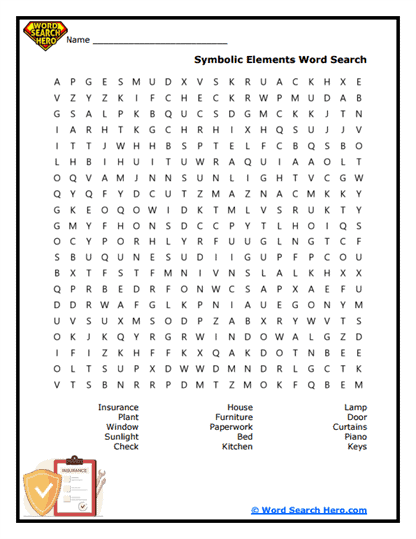
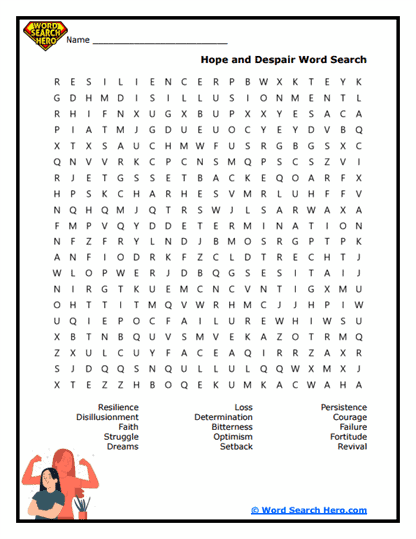
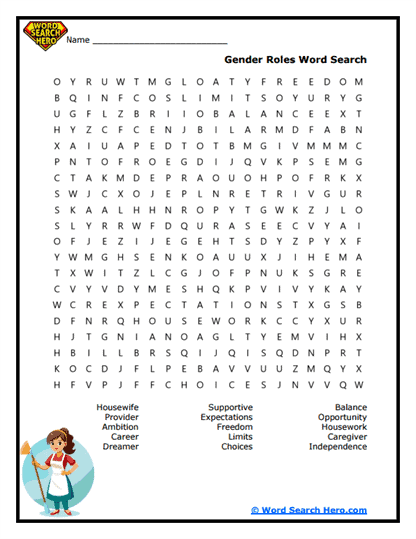
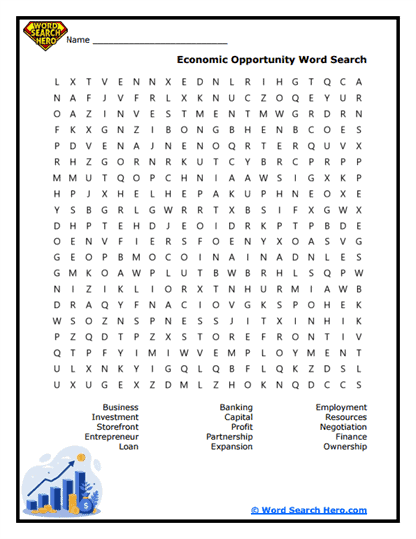
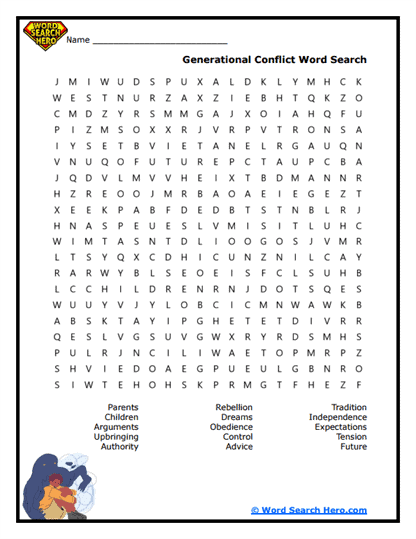
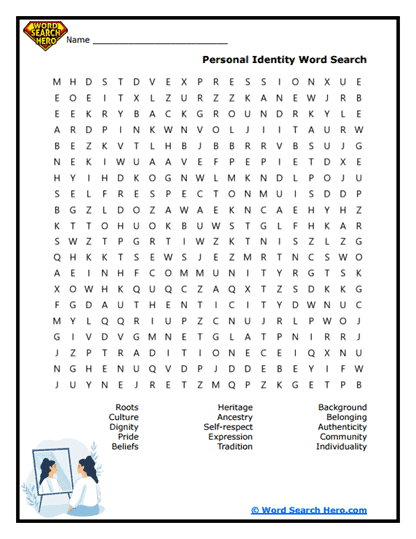
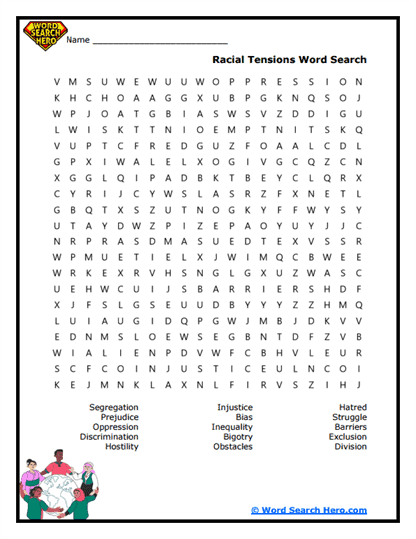
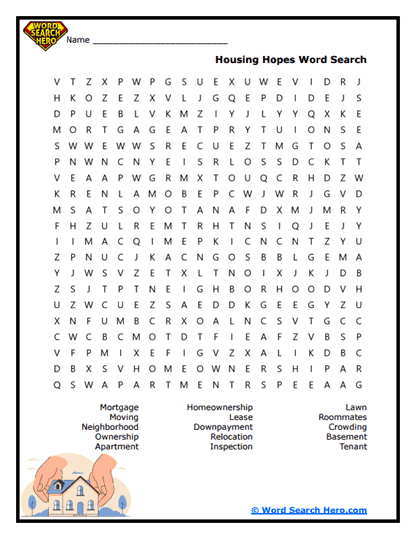
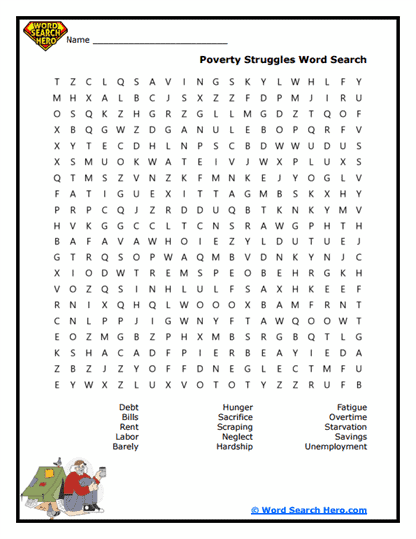
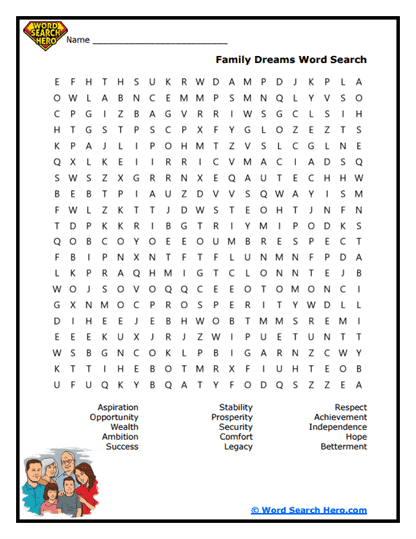
About Our A Raisin in the Sun Word Searches
A Raisin in the Sun word searches provide an engaging way to explore Lorraine Hansberry’s groundbreaking American play while reinforcing its powerful narrative, enduring themes, and meaningful life lessons. These printable puzzles introduce students to important vocabulary connected to dreams, family, identity, discrimination, hope, and opportunity. As learners search for words, they strengthen their understanding of the ideas that shape the Younger family’s journey.
The play follows the Younger family as they struggle with financial hardship, racial discrimination, and conflicting dreams after receiving a life-changing insurance check. Each family member imagines a different future, forcing them to confront difficult decisions about responsibility, dignity, and sacrifice. Throughout the story, Hansberry demonstrates that true success is measured not simply by wealth, but by integrity, self-respect, and the courage to pursue a better life despite obstacles.
These word searches strengthen vocabulary, reading comprehension, spelling, and critical thinking while encouraging students to examine important literary themes. They work well in classrooms, literature circles, homeschool settings, or independent study.
With puzzles covering dreams, family relationships, identity, symbolism, financial struggles, and hope, this collection helps students develop a richer understanding of one of America’s most influential modern plays.
The Narrative and Its Enduring Message
A Raisin in the Sun follows a family standing at a crossroads, where every decision carries emotional, financial, and moral consequences. Word searches throughout this collection introduce students to concepts such as ambition, sacrifice, prejudice, dignity, opportunity, identity, resilience, and homeownership. Together, these words reveal how each member of the Younger family contributes to the play’s central narrative.
At its heart, the story explores what happens when dreams collide with reality. Walter Lee longs for financial independence, Beneatha searches for her identity and purpose, Mama fights to protect her family’s values, and Ruth hopes simply for stability. Although their dreams differ, they all seek dignity and a brighter future.
Unlike many fairy tales, A Raisin in the Sun does not present simple heroes or villains. Instead, it shows that difficult choices often require courage, honesty, and sacrifice. The play teaches that prejudice can create enormous obstacles, but it also demonstrates that hope, family unity, and self-respect can help people overcome adversity.
Encouraging students to explore these ideas helps deepen literary understanding. Questions such as, “Why does Mama choose the house?” or “What does Walter learn by the end of the play?” encourage thoughtful discussion about character growth, personal values, and moral responsibility.
Paul’s Pro-Tip

One of the best ways to use an A Raisin in the Sun word search is to create a “dream tracker.” As students find vocabulary like ambition, hope, legacy, business, and homeownership, have them write which member of the Younger family connects most closely with each word. Then ask them to explain whether that character achieves, changes, or redefines their dream by the end of the play. This helps students see that character development is driven by changing priorities rather than simple success or failure.
Another highly effective activity is the “theme connection web.” After completing the puzzle, choose one vocabulary word-such as dignity, sacrifice, or opportunity-and challenge students to connect it to at least three different scenes from the play. This encourages them to recognize how Hansberry carefully develops major themes across the entire story instead of presenting them only once. It also prepares students for literary analysis and classroom discussions by teaching them to support ideas with evidence from the text.
From Story to Literary Understanding
A Raisin in the Sun word searches become even more meaningful when students connect the vocabulary to the play’s larger themes. After completing a puzzle, students can choose one word and explain how it influences the Younger family’s decisions or relationships.
For example, students might examine how hope motivates Mama despite years of hardship, or how identity shapes Beneatha’s personal journey. Others may explore how homeownership represents far more than buying a house-it symbolizes dignity, equality, and opportunity for future generations.
These activities naturally support literature, history, and social studies by encouraging discussions about the historical setting of the play, the Civil Rights Movement, discrimination, economic inequality, and the importance of perseverance.
By connecting vocabulary to character development and theme, students transform a simple word search into a deeper exploration of one of the most influential works in American literature.
Frequently Asked Questions
Why is A Raisin in the Sun considered an American classic?
The play was one of the first Broadway dramas written by an African American woman and presents an honest, powerful portrayal of family, racial discrimination, and the pursuit of the American Dream. Its themes remain relevant because they explore dignity, opportunity, and perseverance. Readers continue to connect with its characters and moral questions decades after its publication.
What is the central message of A Raisin in the Sun?
The play teaches that dreams are important, but achieving them requires sacrifice, responsibility, and integrity. It also shows that dignity and self-respect should never be sacrificed for financial gain. Ultimately, the Younger family’s greatest victory comes through unity and moral courage rather than wealth.
Why is the insurance check so important in the story?
The insurance check represents opportunity, hope, and difficult choices. Every member of the Younger family sees it as a chance to fulfill a different dream, creating much of the play’s conflict. The decisions surrounding the money reveal each character’s values and priorities.
How can I make A Raisin in the Sun word searches more interactive?
Have students connect each vocabulary word to a specific character, scene, or theme from the play. Another excellent activity is creating a chart that shows how each member of the Younger family changes from the beginning to the end of the story. These exercises reinforce both vocabulary and literary analysis while encouraging thoughtful discussion.
What literary themes should students pay close attention to while reading A Raisin in the Sun?
Students should focus on dreams, family responsibility, racial discrimination, identity, dignity, perseverance, sacrifice, and hope. These themes appear throughout the play and shape every major decision the characters make. Understanding how these ideas interact helps readers appreciate why the play continues to be studied in literature classrooms around the world.