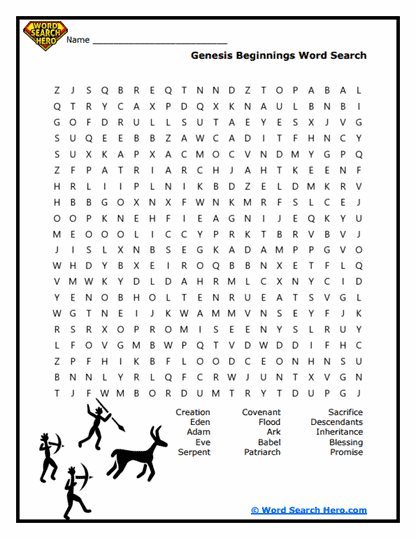
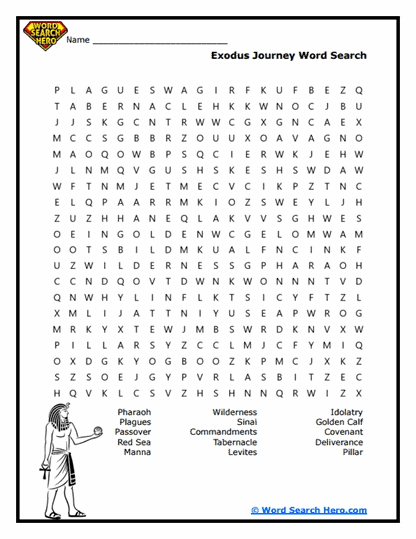
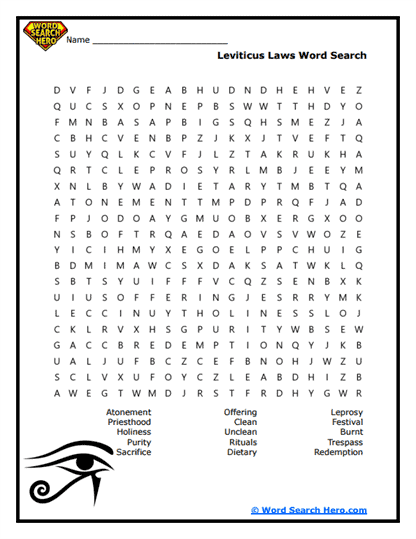
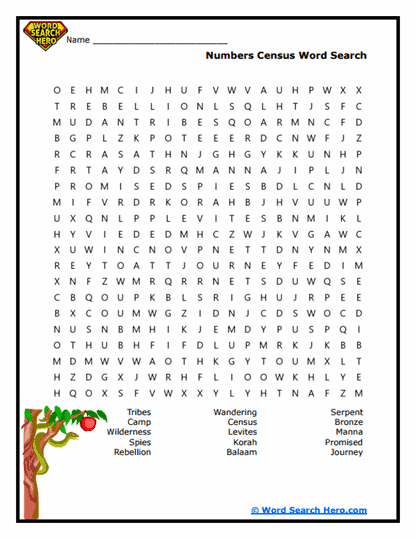
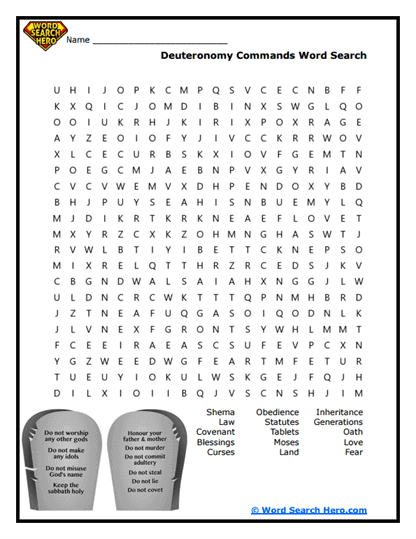
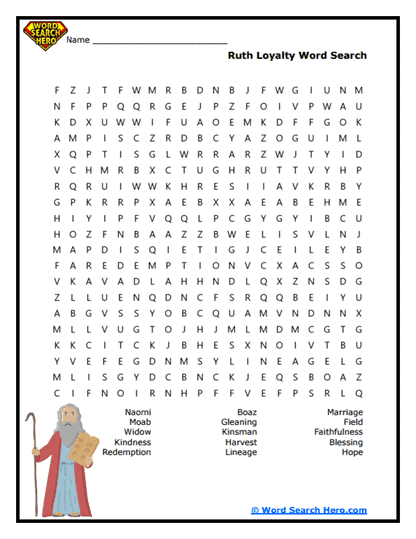
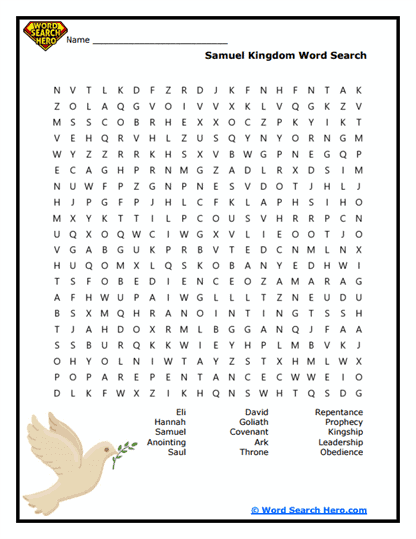
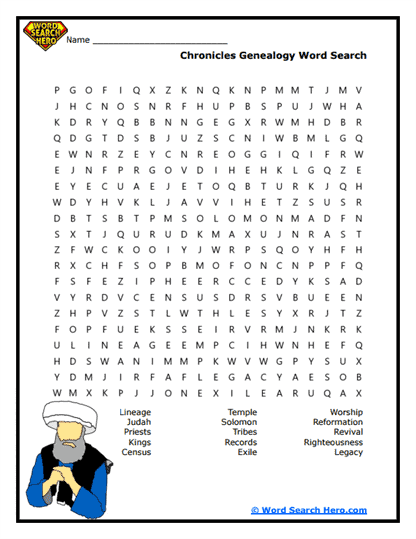
About Our Books of the Bible Word Searches
Books of the Bible word searches provide a structured and engaging way to explore the full scope of scripture while focusing on the people and positions connected to each book. These printable puzzles introduce learners to book names like Genesis, Psalms, Isaiah, Matthew, and Revelation, while also highlighting roles such as prophet, king, disciple, apostle, and teacher. By emphasizing both the books and the individuals behind them, students gain a clearer understanding of how each part fits together.
As students search for words, they begin to connect each book with a role. For example, Psalms is often associated with a king and writer like David, while books like Isaiah connect to the role of a prophet. The Gospels introduce disciples and teachers, helping learners see how different positions contribute to the overall message. This helps move beyond memorization and into understanding purpose and responsibility.
These puzzles also support essential academic skills like vocabulary development, spelling, and focus. They can be used in classrooms, Sunday school, or homeschool settings as warm-ups, review tools, or discussion starters.
With a range of difficulty levels, Books of the Bible word searches are accessible for many learners. They provide a meaningful way to explore scripture while focusing on the people and positions that bring each book to life.
Authors, Messengers, and Leaders
The Books of the Bible become much clearer when students focus on the roles connected to them. Word searches centered on this topic often include terms like prophet, king, apostle, disciple, and scribe. Each of these roles reflects how different books were written, shared, and preserved.
Prophets hold the position of messengers, delivering important words to others. Kings, like David or Solomon, are often connected to leadership and wisdom writings. Apostles and disciples are linked to teaching and spreading messages, especially in the New Testament. These roles help students understand that each book comes from a person with a purpose and responsibility.
Encouraging students to think about these roles helps deepen understanding. They can ask questions like, “Who is connected to this book?” and “What was their responsibility?” This type of thinking builds stronger comprehension and reflection.
By focusing on roles and positions, students begin to see the Bible as a collection of writings connected to real people with meaningful responsibilities.
Paul’s Pro-Tip

One of the most effective ways to use Books of the Bible word searches is to turn it into a “book-to-role matching system.” As students find each book name, have them immediately connect it to a role-like prophet, king, or apostle-and explain why. For example, if they find “Isaiah,” they identify the role of a prophet and what that means. This helps students move from simply recognizing book names to understanding who was behind them and what their responsibility was.
Another strategy that works incredibly well is the “role grouping challenge.” After completing the puzzle, ask students to group books based on the roles of the people associated with them-prophets together, kings together, apostles together. Then have them explain what those roles had in common. This builds deeper understanding and helps students see patterns across the Bible. It also makes remembering the books much easier because they are connected by purpose, not just order.
Connecting Books to Roles and Purpose
Books of the Bible word searches can lead to deeper learning when students focus on how each book connects to a person and their position. After completing a puzzle, students can choose one book and describe the role of the person associated with it. This helps connect vocabulary to understanding.
For example, a student might explore what it meant to be a prophet delivering a message or what responsibilities came with being a disciple sharing teachings. Another might examine how a king’s role influenced the type of writing found in certain books. These reflections help students understand how roles shape content and purpose.
This approach also supports cross-curricular learning. It can connect with reading comprehension by exploring the background of each book or with writing by asking students to describe the role connected to a specific book. Group discussions can deepen understanding by comparing roles.
By focusing on people and positions, students gain a clearer picture of the Books of the Bible. It transforms a simple puzzle into a meaningful exploration of authorship, responsibility, and purpose.
Frequently Asked Questions
How do Books of the Bible word searches help students understand who wrote each book?
They encourage students to connect each book name with a role like prophet, king, or apostle. As learners find the words, they begin to think about the people behind the writings. This builds a clearer understanding of authorship and purpose. It also helps reinforce learning through association.
What roles are most commonly connected to the Books of the Bible?
Common roles include prophets, kings, apostles, disciples, and scribes. Each of these positions reflects a different way messages were written and shared. Understanding these roles helps students see how the Bible is organized. It also makes it easier to remember the books through their connections.
Why is it important to connect books to the people behind them?
Connecting books to people helps students understand that each one has a purpose and context. It shows that these writings come from individuals with responsibilities and experiences. This creates a deeper level of comprehension. It also makes the material more relatable and meaningful.
How can I make Books of the Bible word searches more interactive?
You can have students match each book they find with a role and explain that connection. Another effective activity is grouping books based on similar roles or purposes. These strategies deepen understanding and encourage discussion. They also help students organize information more effectively.
What can students learn by focusing on roles within the Books of the Bible?
Students can learn how different people contributed to the overall message through their specific positions. By examining each role, they see how responsibility and purpose shape what is written. This creates a clearer understanding of the Bible as a whole. It also encourages reflection on how roles influence communication and teaching.