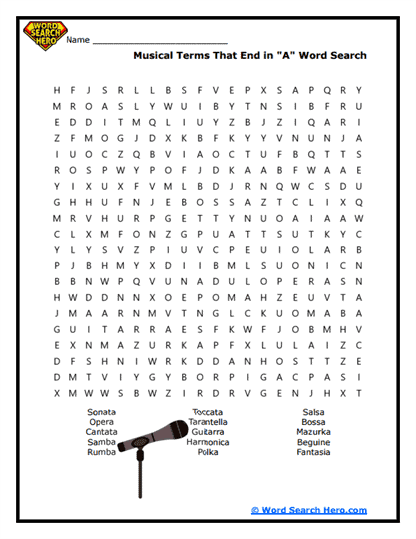
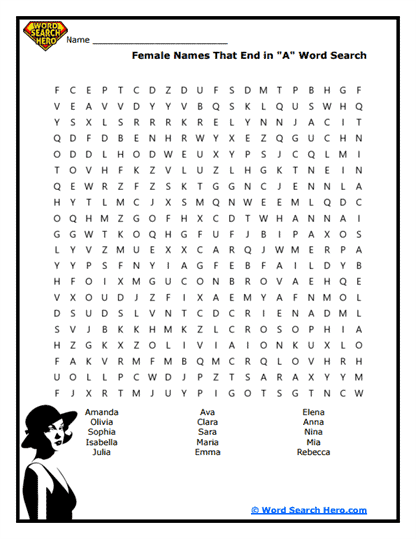
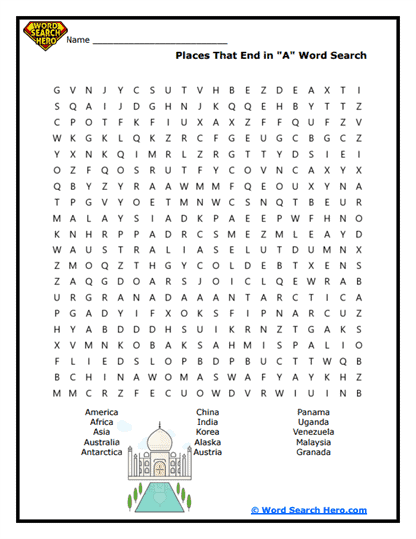
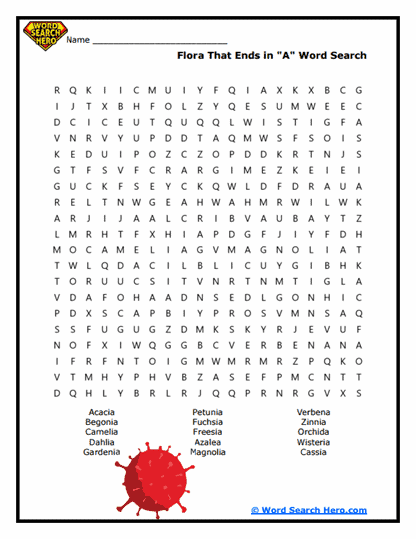
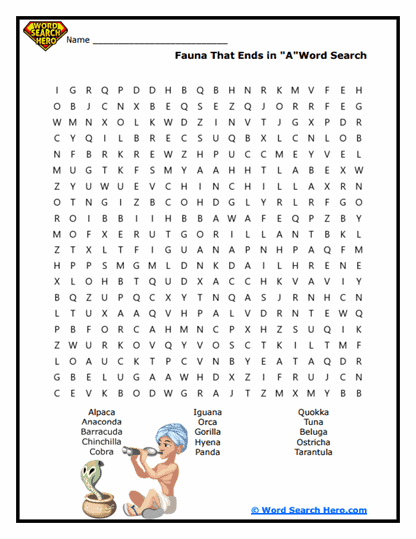
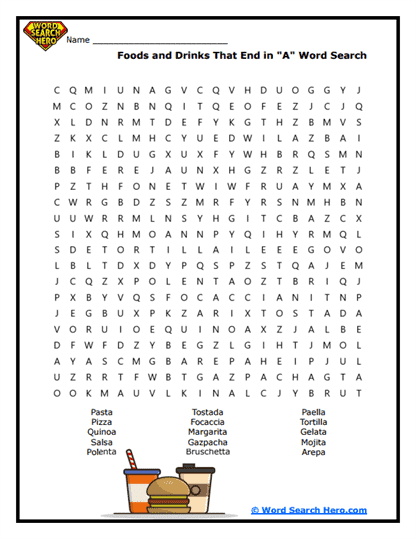
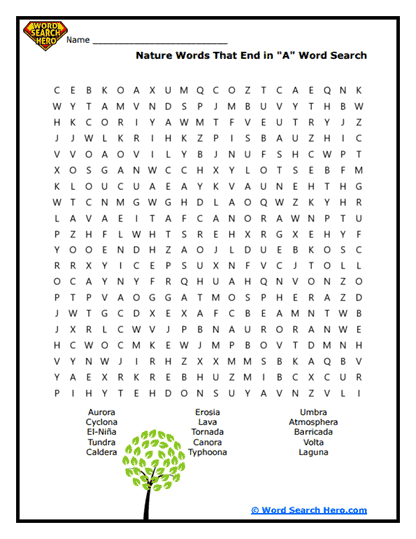
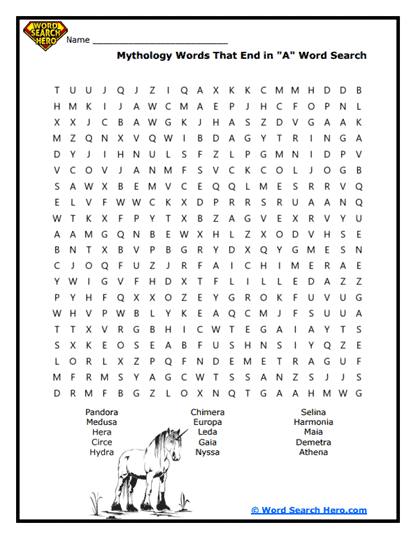
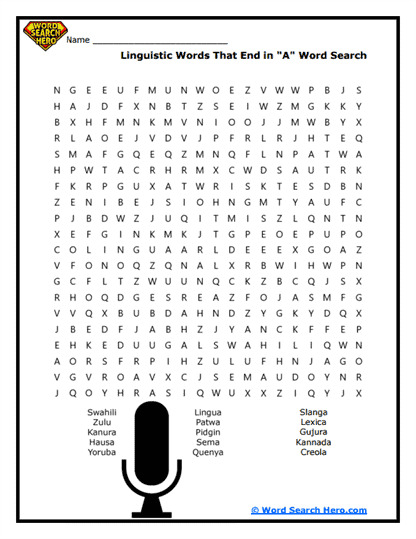
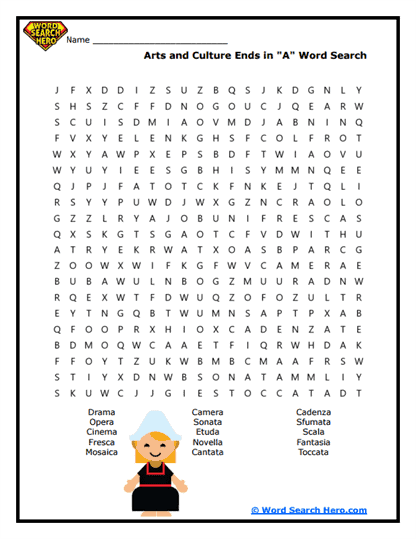
About Our Ends With Letter A Word Searches
Our Ends With Letter A word searches bring together a surprisingly wide range of vocabulary, all connected by one simple pattern-every word ends in “A.” From musical terms like “sonata” to global places like “Asia,” and from names like “Sophia” to animals like “gorilla,” this collection turns a single spelling feature into a rich, cross-topic learning experience.
What makes these puzzles especially valuable is how they train learners to look all the way through a word. Instead of focusing only on the beginning sounds, students begin to notice endings, which is a critical (and often overlooked) part of spelling and reading development. That attention to full-word structure supports stronger decoding, better spelling accuracy, and improved visual tracking.
Because the vocabulary spans multiple subjects-music, geography, biology, food, and culture-these puzzles naturally connect to broader learning. They pair especially well with topics found in musical terms or geography-focused lessons like continents, helping students see how language patterns show up across disciplines.
Whether used in the classroom or at home, these printables offer a low-prep way to reinforce spelling patterns while keeping learners engaged.
Why the Letter “A” Shows Up Everywhere
Once you start looking for it, the letter “A” appears at the end of words in almost every subject area-and this collection makes that pattern impossible to miss.
Many of these words come from languages like Italian, Spanish, and Latin, which helps explain why musical terms like “toccata” or foods like “pizza” follow the same structure. That opens the door to meaningful conversations about where words come from and how language evolves. Even younger learners begin to notice that spelling isn’t random-it often reflects history and culture.
What’s especially powerful here is the variety. Students aren’t just seeing one type of word repeated-they’re encountering names, places, animals, and artistic terms all sharing the same ending. That contrast helps the pattern stick. A learner might not remember a rule from a worksheet, but they will remember that “Africa,” “Medusa,” and “pasta” all end the same way.
This kind of exposure builds flexible thinking. Instead of memorizing isolated words, students begin to recognize patterns across contexts. You can even connect this idea to broader literacy topics like suffixes or explore related spelling collections such as ends-with-letter-b to compare how different endings shape word recognition.
Paul’s Pro-Tip
After 30 years in the classroom, I can confirm one thing: students love a puzzle with a “rule.”
So here’s a twist that really hooks them-don’t tell them the rule right away.
Hand out the puzzle and say, “There’s something all these words have in common. First one to figure it out gets bragging rights.” Suddenly, everyone is scanning more carefully, thinking harder, and paying attention to details they might normally skip.
Once someone cracks it, take it a step further. Have students circle the final “A” in each word using a different color. It sounds simple, but it builds a powerful habit-training their eyes to finish the word, not just recognize the start.
It’s one of those small strategies that quietly improves spelling without turning it into a chore.
Create a Classroom Competition Around Word Endings
If your students enjoy a little energy in the room, these puzzles are perfect for turning into a friendly competition.
Start by dividing students into small teams and giving each group a different puzzle from the collection. Before they begin, challenge them with two goals: find all the words and identify the shared ending pattern as quickly as possible. You can award points for accuracy, speed, or even teamwork.
To deepen the learning, add a second round. After completing the puzzle, each team must come up with three additional words that fit the same pattern. Suddenly, they’re not just solving-they’re generating vocabulary, thinking creatively, and applying what they’ve noticed.
You can also mix in subject-based challenges. For example, ask teams to group their found words into categories like animals, places, or foods. This reinforces connections across topics and mirrors the variety seen in collections like animals or food-related pages such as pizza.
The result? A simple word search becomes an active, collaborative learning experience that builds spelling awareness, vocabulary, and confidence-all while keeping students fully engaged.
Frequently Asked Questions
What are Ends With Letter A word searches?
They are printable word search puzzles in which all of the hidden words end with the letter A.
How can teachers use these puzzles in class?
They work well for literacy centers, morning work, spelling review, early finisher activities, and small-group language lessons.
Are these puzzles good for homeschool use?
Yes. They are easy to print and fit nicely into spelling, vocabulary, and reading practice at home.
Do these word searches help with spelling?
They do. Learners get repeated exposure to a shared ending pattern, which helps strengthen word recognition and spelling awareness.
What makes this type of puzzle unique?
The shared final letter gives learners an extra clue and encourages them to pay close attention to word endings, not just beginnings.