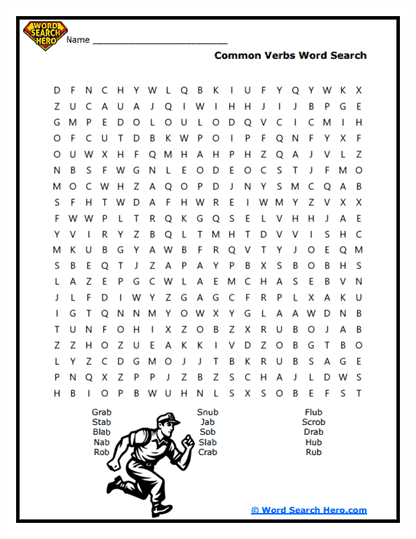
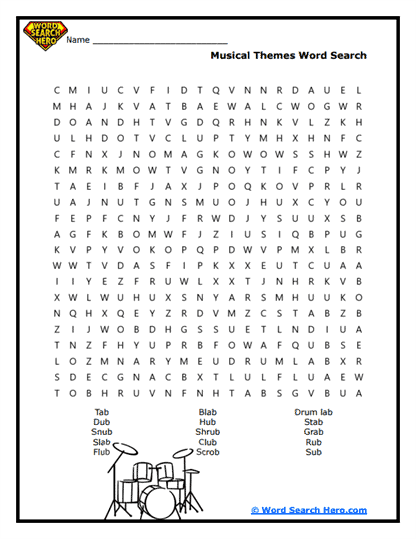
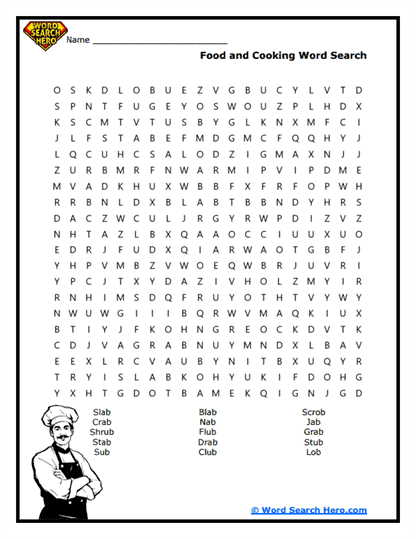
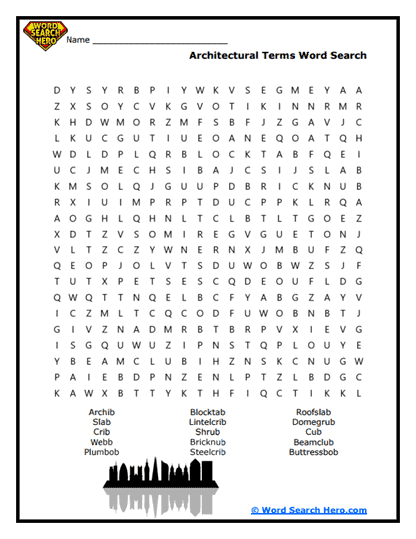
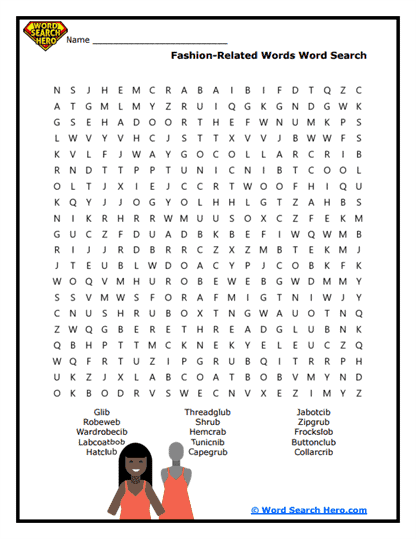
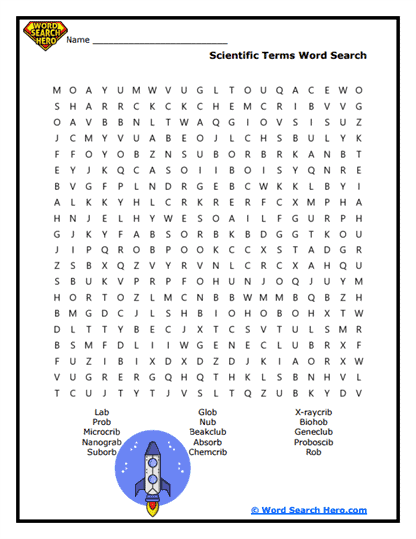
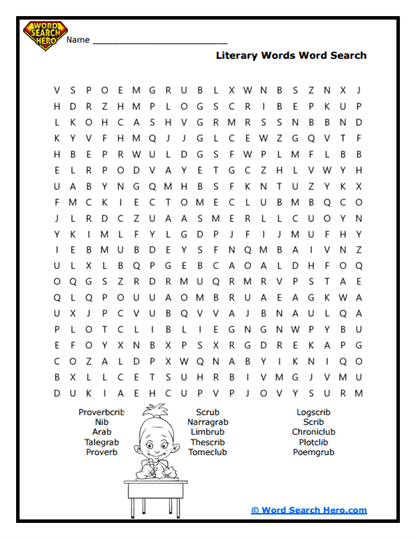
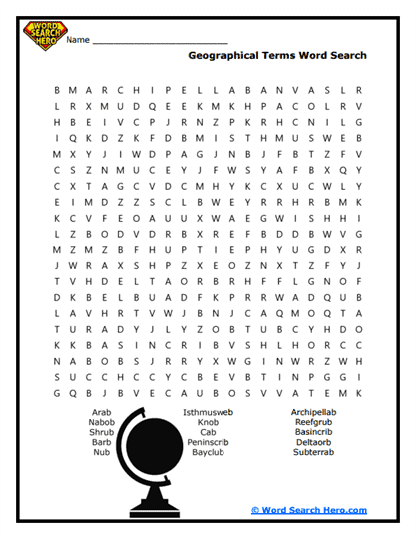
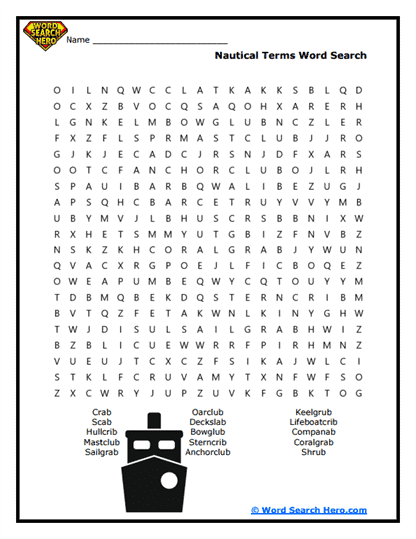
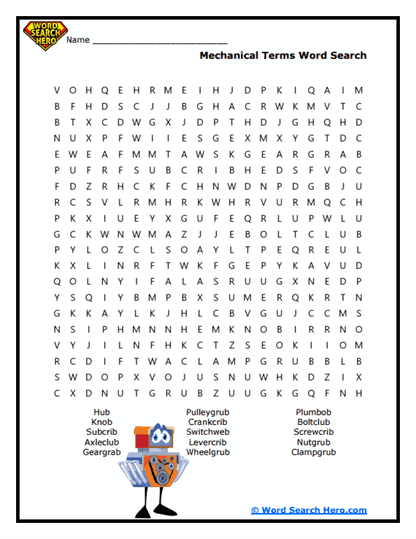
About Our Ends With Letter B Word Searches
Our Ends With Letter B word searches take an unusual spelling pattern and turn it into something surprisingly engaging. In this collection, every hidden word ends with the letter “B,” which immediately challenges learners to pay closer attention to how words are built from beginning to end.
What makes this set stand out is the variety of vocabulary packed into it. Students aren’t just finding random words-they’re working through action verbs like “grab” and “jab,” music-related terms, food vocabulary like “crab,” and even technical language from science and mechanics. That range makes these puzzles feel fresh while quietly reinforcing vocabulary across multiple subjects.
Because “B” is not a common ending in English, learners can’t rely on quick guessing. They have to slow down, scan carefully, and confirm each word all the way to the final letter. That habit strengthens reading accuracy and supports spelling development in a way that feels natural rather than forced.
These puzzles fit easily into classroom routines like literacy centers or early finisher work, and they’re just as effective at home. They also pair nicely with broader language practice like phonics or category-based vocabulary work such as verbs, especially when using the motion-focused puzzles in this collection.
The Rare Ending That Makes Words Stand Out
There’s a reason these puzzles feel a little different right away-words that end in “B” are not something students see every day.
That rarity works in your favor. When a pattern is less familiar, learners pay more attention. A word like “grab” or “sob” doesn’t blend in the way more common endings do. Instead, it stands out, which makes it easier to notice, remember, and recognize later.
This collection leans into that effect by mixing those uncommon endings across very different themes. Students might go from action-based words to music terms to mechanical vocabulary, all while seeing that same final letter repeated. That contrast helps the pattern stick because it shows up in so many different contexts.
It also creates a natural opportunity for discussion. Why do some words end in “B” while others don’t? Are there patterns in the types of words that use it? Comparing this with other collections like ends-with-letter-a or exploring broader word structure through suffixes can help learners see how endings shape meaning and pronunciation.
Instead of memorizing isolated words, students begin to recognize that even rare patterns repeat-and that realization builds stronger, more flexible readers.
Paul’s Pro-Tip
Here’s a little classroom trick that works every time with this set:
Before students start, I tell them, “Every word ends with the same letter-but I’m not telling you which one.”
Within a minute, someone spots it. And once they do, everything changes.
Suddenly, they stop wandering around the grid and start searching with purpose. They look for words that finish a certain way instead of just hoping to stumble across something familiar.
After the puzzle, I always ask, “Did that make it easier?” And they’ll usually say yes-because they’ve just discovered a real reading strategy on their own.
That’s the win.
Challenge Students to Invent New “B” Ending Words
Once the puzzle is complete, this is where things get really interesting-because the list of real words ending in “B” is actually pretty short.
Challenge students to come up with as many as they can. At first, they’ll rely on what they found in the puzzle. Then they’ll start digging deeper, testing ideas, and even second-guessing themselves. That struggle is productive-it forces them to think carefully about spelling patterns.
You can turn this into a full activity:
- List all the real “B” ending words as a class
- Group them by category (actions, objects, food, etc.)
- See which puzzle contributed the most words
Then add a creative twist-let students invent their own “B” ending words and define them. This works especially well with themes like mechanics or food, where imaginative vocabulary feels natural.
To extend the learning, connect their ideas to real-world categories like food or science, asking them to find examples beyond the puzzle.
By shifting from finding words to creating them, students move into deeper language use-and that’s where the pattern really sticks.
Frequently Asked Questions
What are Ends With Letter B word searches?
These are printable word search puzzles where every hidden word ends with the letter B, giving learners a consistent spelling pattern to notice while solving the puzzle.
How can teachers use these puzzles in the classroom?
They work well for literacy centers, warm-up activities, spelling practice, early finisher work, or quiet independent learning time.
Are these puzzles helpful for homeschool learning?
Yes. They are easy to print and can be used for spelling review, vocabulary practice, or simple language exploration at home.
Do word searches really help with spelling?
They can. Repeatedly seeing and recognizing words helps learners become familiar with spelling patterns and word structures.
What skill do these puzzles focus on most?
They encourage students to pay attention to word endings and letter patterns, which supports stronger reading accuracy and spelling awareness.