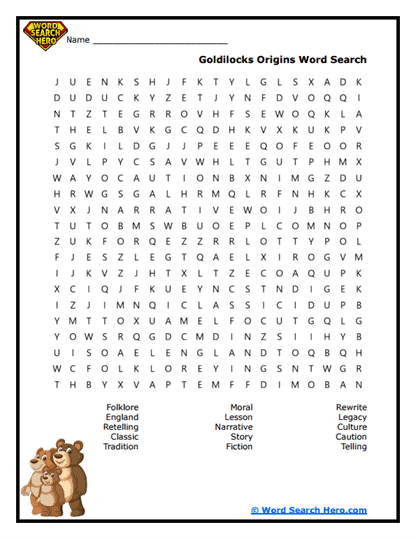
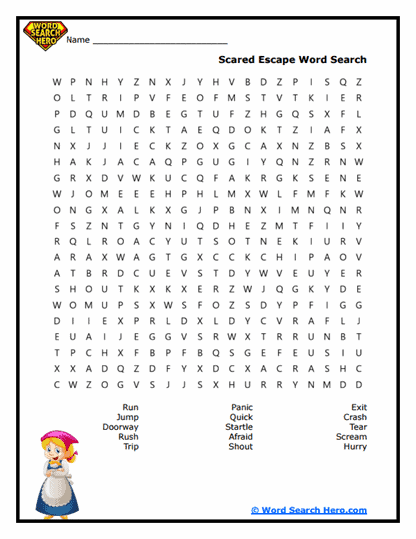
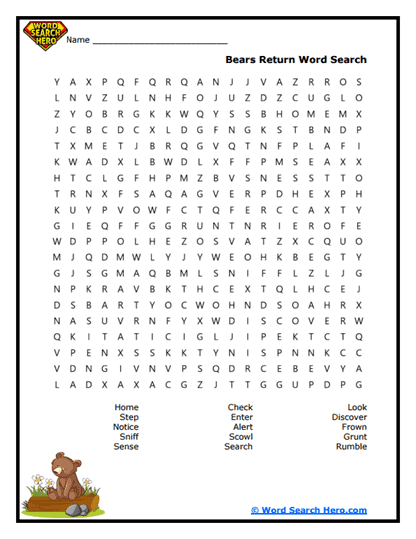
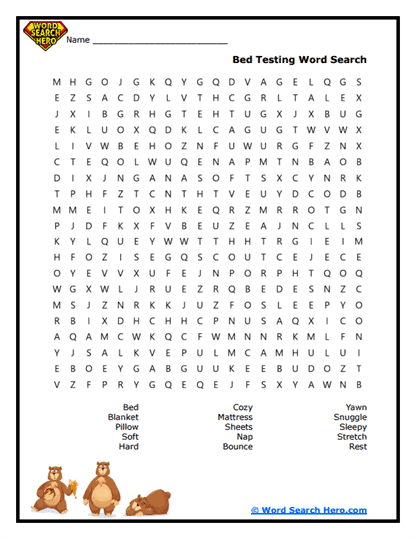
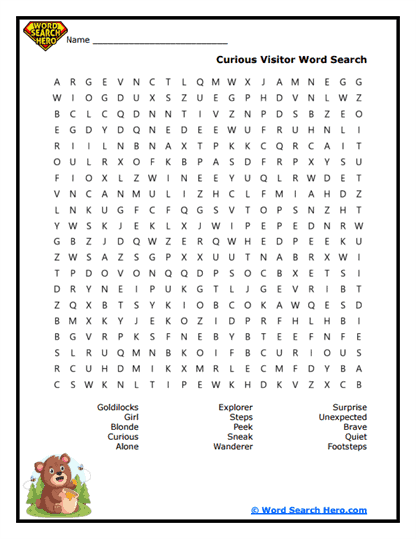
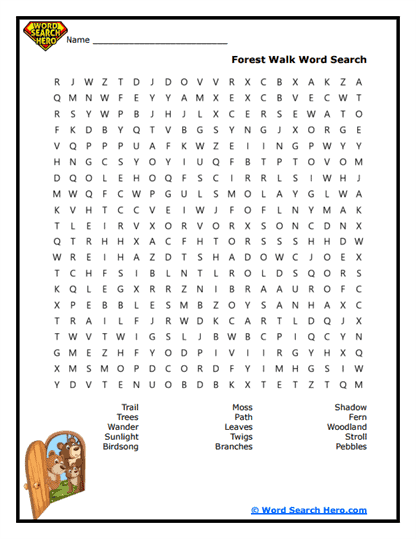
About Our Goldilocks and the Three Bears Word Searches
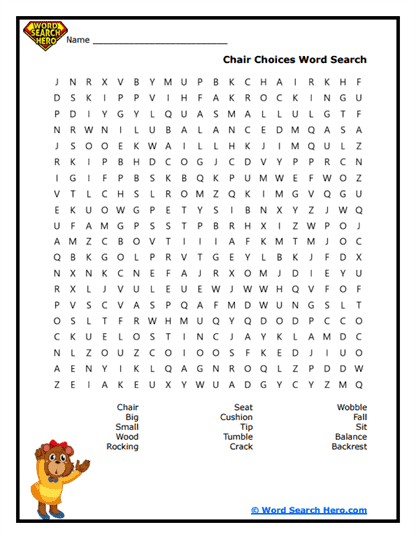
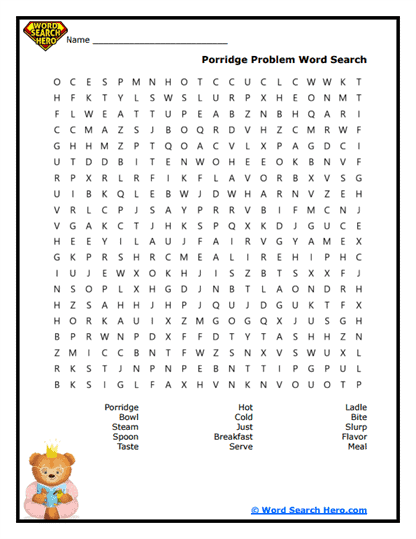
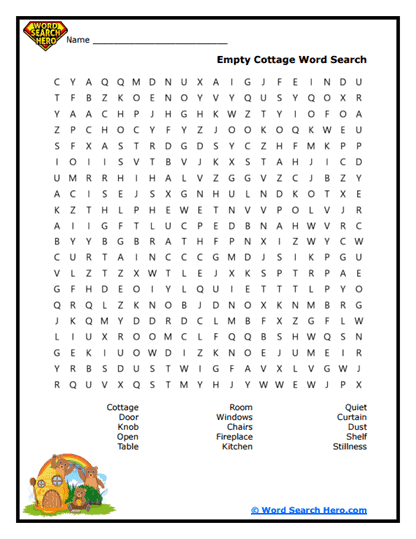
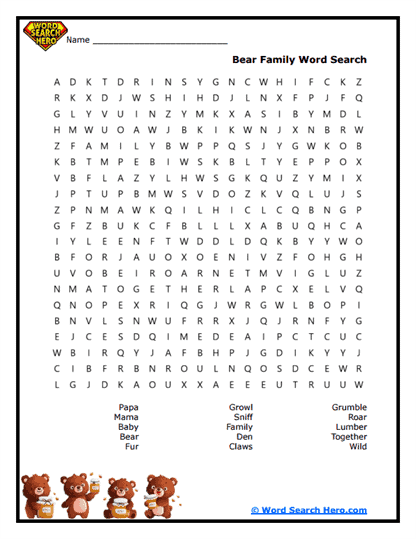
Goldilocks and the Three Bears word searches provide a fun and engaging way to explore one of the most recognizable fairy tales while focusing on its narrative structure and moral lessons. These printable puzzles introduce learners to key terms such as cottage, porridge, chair, bed, forest, and trespass, all tied directly to the story’s events. As users search for words, they actively connect vocabulary to the unfolding tale.
The story follows Goldilocks, a curious girl who enters the home of the three bears without permission. She samples their food, uses their belongings, and ultimately faces the consequences when the bears return. This narrative is simple yet powerful, emphasizing themes of respect, boundaries, and personal responsibility.
These word searches help reinforce reading comprehension and storytelling awareness. They are ideal for classrooms, early learners, or at-home activities that combine literacy with critical thinking.
With varying difficulty levels, Goldilocks word searches provide an enjoyable way to explore the story while highlighting its deeper meaning as a cautionary tale.
The Narrative and Its Cautionary Message
The story of Goldilocks becomes clearer when students focus on its sequence of actions and consequences. Word searches centered on this topic often include terms like porridge, chair, bed, break, and discovery. Each of these reflects a key moment in the story’s progression.
At its core, Goldilocks and the Three Bears is a cautionary tale about respecting others’ property and understanding boundaries. Goldilocks enters the bears’ home without permission and makes choices that escalate-from tasting porridge to breaking a chair and sleeping in a bed. Each action builds tension and leads to the moment when the bears return and discover what has happened.
Encouraging students to think about these elements helps deepen understanding. They can ask questions like, “Why shouldn’t Goldilocks have entered the house?” and “What could she have done differently?” This kind of thinking builds stronger comprehension of both narrative flow and moral meaning.
By focusing on the story’s message, students begin to see Goldilocks not just as a simple tale, but as a lesson about respect, decision-making, and consequences.
Paul’s Pro-Tip
One of the most effective ways to use a Goldilocks word search is to turn it into a “choice escalation tracker.” As students find words like “porridge,” “chair,” and “bed,” have them map out the order of Goldilocks’ actions and discuss how each decision increases the seriousness of the situation. For example, tasting porridge may seem minor, but breaking a chair is a much bigger consequence. This helps students understand how small choices can build into larger problems over time.
Another powerful strategy is the “better choice rewrite.” After completing the puzzle, ask students to pick one moment in the story and rewrite Goldilocks’ decision. What if she knocked on the door instead of entering? What if she left after realizing the house wasn’t hers? This approach helps students engage directly with the moral of the story by exploring alternative outcomes. It also reinforces the idea that cautionary tales are meant to guide better decision-making.
From Story to Moral Reflection
Goldilocks word searches can lead to deeper learning when students focus on how the narrative connects to its moral message. After completing a puzzle, students can choose one event-such as eating the porridge or breaking the chair-and explain its role in the story. This helps connect vocabulary to meaning.
For example, a student might explore how curiosity leads Goldilocks into trouble or how her actions affect the bears. Another might examine how the story teaches respect for others’ belongings and space. These reflections help students understand how actions lead to consequences.
This approach also supports cross-curricular learning. It can connect with writing by asking students to retell the story from the bears’ perspective or with critical thinking by analyzing character choices. Group discussions can deepen understanding by comparing interpretations.
By focusing on narrative and moral, students gain a clearer picture of Goldilocks and the Three Bears. It transforms a simple puzzle into a meaningful exploration of respect, responsibility, and consequences.
Frequently Asked Questions
What is the main moral of Goldilocks and the Three Bears?
The main moral centers on respecting other people’s property and boundaries. Goldilocks enters a home that is not hers and uses things without permission. Her actions lead to consequences when the bears return. This makes the story a clear cautionary tale about behavior and respect.
Why is Goldilocks’ behavior considered a problem in the story?
Goldilocks makes a series of choices that ignore rules and respect for others. She enters a home uninvited and uses items that do not belong to her. Each action builds toward a larger problem. This shows how poor decisions can escalate quickly.
What do the three bears represent in the story?
The three bears represent order, ownership, and the idea of personal space. Their home is structured and balanced until Goldilocks disrupts it. Each bear’s belongings highlight the consequences of her actions. This helps reinforce the story’s message about respect.
How can I make Goldilocks word searches more interactive?
You can have students track Goldilocks’ decisions in order and explain how each one leads to the next. Another effective activity is rewriting parts of the story with better choices. These strategies deepen understanding and engagement. They also connect the puzzle to the story’s moral lesson.
Why is Goldilocks and the Three Bears considered a cautionary tale?
It is considered a cautionary tale because it shows the consequences of ignoring boundaries and making careless decisions. The story presents clear actions followed by clear outcomes. This structure reinforces the lesson for readers. It encourages thoughtful behavior and respect for others.