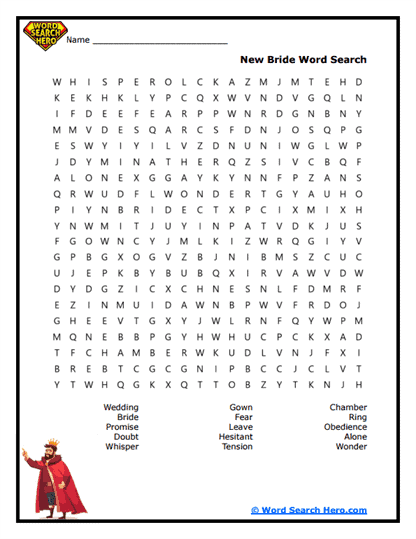
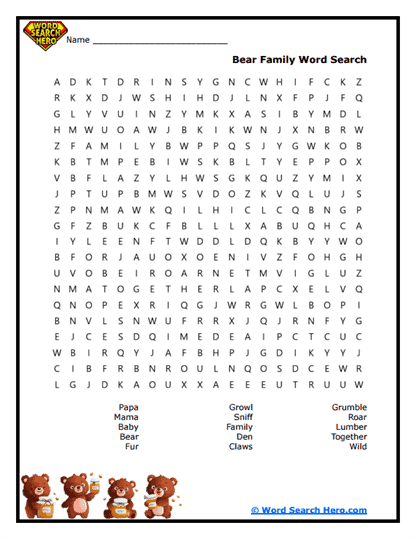
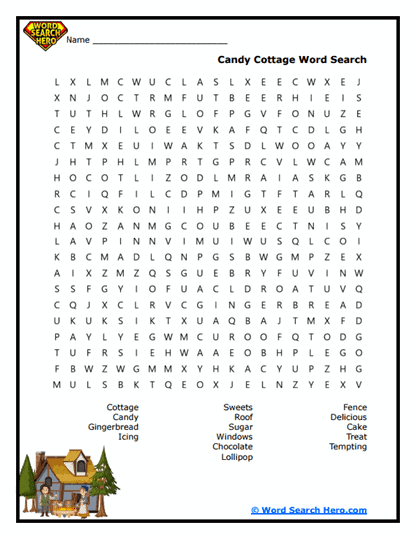
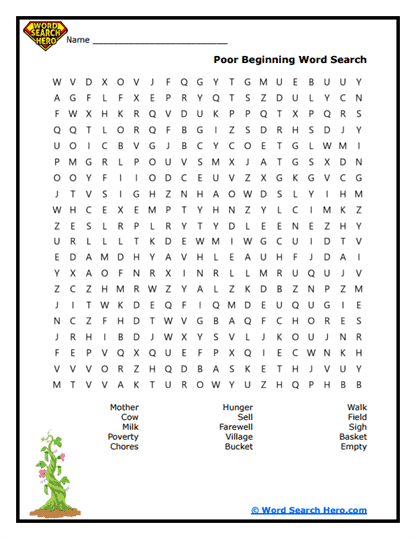
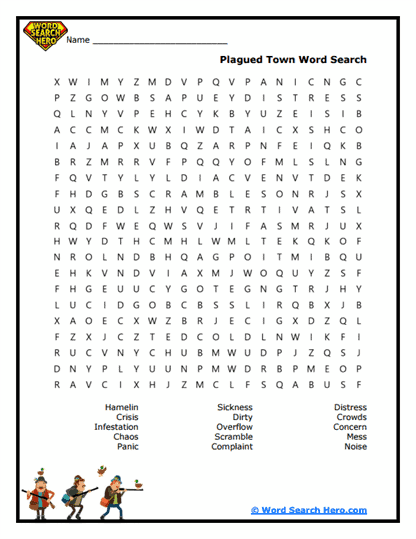
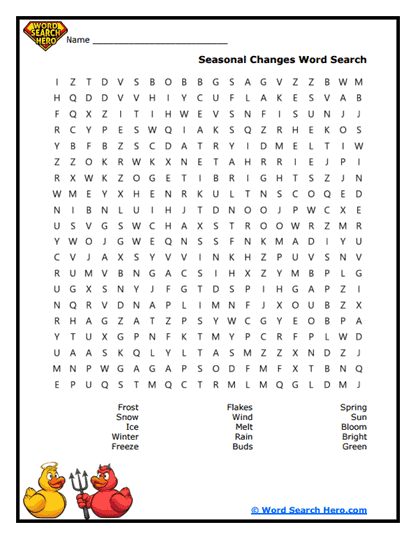
About Our Cautionary Fairy Tales Word Searches
Cautionary Fairy Tales word searches provide a unique and meaningful way to explore stories that are designed to teach important life lessons through consequences and warnings. These printable puzzles introduce learners to key terms such as warning, choice, consequence, danger, lesson, and mistake, all tied to classic tales like Little Red Riding Hood, Hansel and Gretel, and Bluebeard. As users search for words, they begin to recognize patterns that exist across many cautionary stories.
These tales often follow a similar narrative structure-someone is given advice or a rule, they ignore it, and then face the consequences of their actions. Whether it’s wandering off the path, trusting the wrong person, or giving in to curiosity, each story highlights the risks of poor decision-making. This structure makes cautionary fairy tales powerful tools for teaching responsibility and awareness.
These word searches help reinforce reading comprehension, vocabulary, and critical thinking. They are perfect for classroom discussions, literature units, or at-home learning activities.
With varying difficulty levels, Cautionary Fairy Tales word searches offer an engaging way to explore storytelling while focusing on the lessons that make these tales memorable and meaningful.
The Narrative Pattern of Cautionary Tales
Cautionary fairy tales become much clearer when students focus on their repeating narrative pattern. Word searches centered on this topic often include terms like rule, warning, choice, mistake, consequence, and lesson. Each of these reflects a key step in how these stories unfold.
Most cautionary tales begin with a clear instruction-something the main character is told to follow. This is followed by a decision point, where the character chooses whether to listen or ignore the warning. When the warning is ignored, the story builds toward a negative consequence, which serves as the central lesson. This pattern helps readers understand cause and effect in a very direct way.
Encouraging students to think about this structure helps deepen understanding. They can ask questions like, “What was the warning?” and “What happened because it was ignored?” This kind of thinking builds stronger comprehension of both narrative structure and moral meaning.
By focusing on this pattern, students begin to see that many fairy tales are designed not just to entertain, but to teach important lessons about behavior and decision-making.
Paul’s Pro-Tip
One of the most effective ways to use a Cautionary Fairy Tales word search is to turn it into a “story pattern identifier.” As students find words like “warning,” “choice,” and “consequence,” have them apply those terms to multiple fairy tales they know. For example, what is the warning in Little Red Riding Hood? What is the consequence in Hansel and Gretel? This helps students recognize that many stories follow the same structure, making it easier to understand and compare different tales.
Another powerful strategy is the “lesson extraction exercise.” After completing the puzzle, ask students to choose one cautionary tale and clearly state its lesson in their own words. Then, have them explain how each event in the story supports that lesson. This builds deeper understanding by connecting narrative events directly to moral meaning. It also reinforces that every part of a cautionary tale is designed to guide behavior and thinking.
From Story Patterns to Life Lessons
Cautionary Fairy Tales word searches can lead to deeper learning when students focus on how narrative patterns connect to real-life lessons. After completing a puzzle, students can choose one tale and break it down into its key parts-warning, action, and consequence. This helps connect vocabulary to meaning.
For example, a student might explore how ignoring advice leads to danger or how making careful choices can prevent problems. Another might examine how different stories teach similar lessons in different ways. These reflections help students understand how stories relate to real-world behavior.
This approach also supports cross-curricular learning. It can connect with writing by asking students to create their own cautionary tale or with critical thinking by comparing story outcomes. Group discussions can deepen understanding by exploring different interpretations.
By focusing on narrative and moral, students gain a clearer picture of cautionary fairy tales. It transforms a simple puzzle into a meaningful exploration of choices, consequences, and life lessons.
Frequently Asked Questions
What makes a fairy tale a cautionary tale?
A cautionary tale is a story that teaches a lesson by showing what happens when a character makes a poor choice. These stories often include a clear warning that is ignored. The consequences that follow reinforce the lesson. This structure helps readers understand cause and effect.
What are common themes found in cautionary fairy tales?
Common themes include disobedience, curiosity, trust, and danger. Many stories focus on what happens when rules are ignored or when characters act without thinking. These themes are repeated across different tales. This helps reinforce the lessons being taught.
Why do cautionary fairy tales often have negative consequences?
Negative consequences are used to make the lesson more memorable and impactful. When readers see the results of poor decisions, the message becomes clearer. This approach helps reinforce the importance of making better choices. It also creates a stronger emotional connection to the story.
How can I make cautionary fairy tale word searches more interactive?
You can have students identify the warning, action, and consequence in different stories. Another effective activity is comparing multiple tales to find similar patterns. These strategies deepen understanding and engagement. They also connect the puzzle to storytelling structure.
How do cautionary fairy tales help with learning and development?
They help students understand decision-making and the impact of their choices. By seeing clear examples of cause and effect, learners develop critical thinking skills. These stories also encourage reflection on behavior. This makes them valuable tools for both education and personal growth.