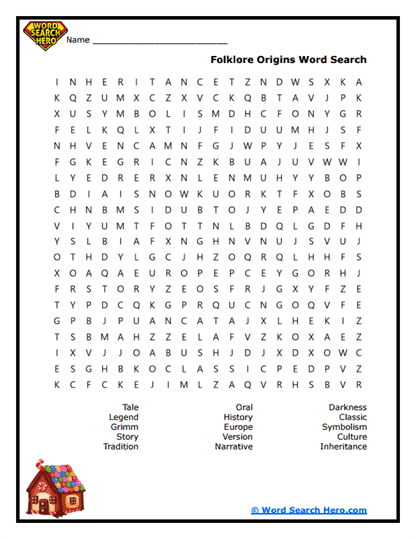
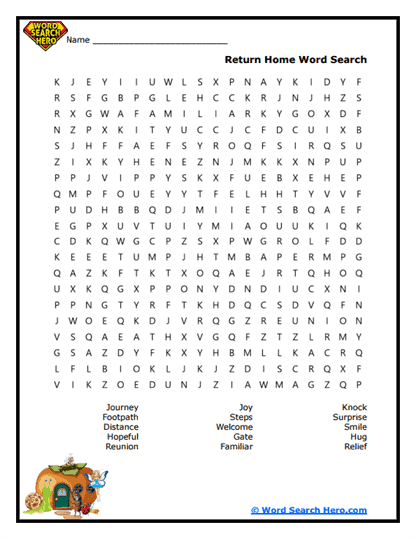
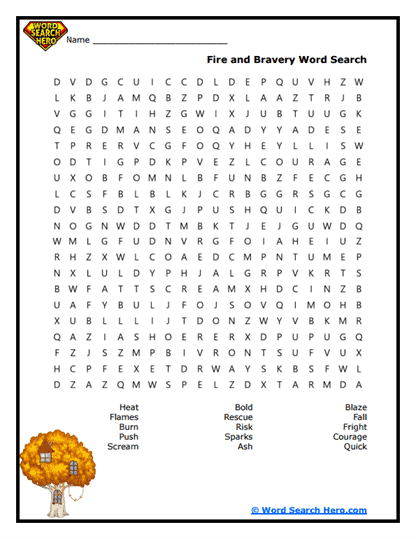
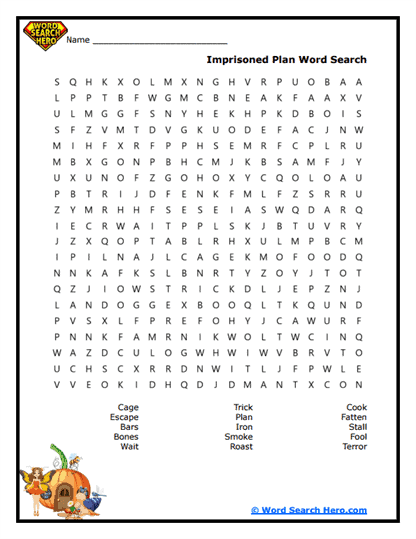
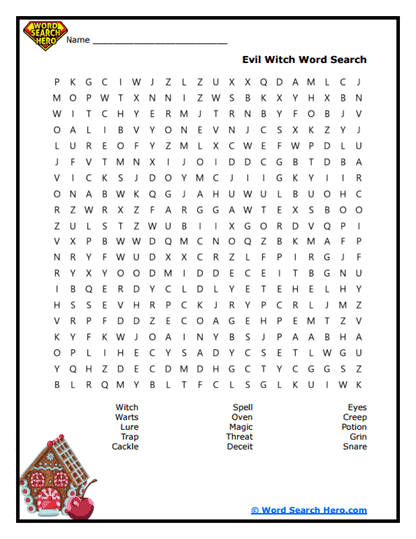
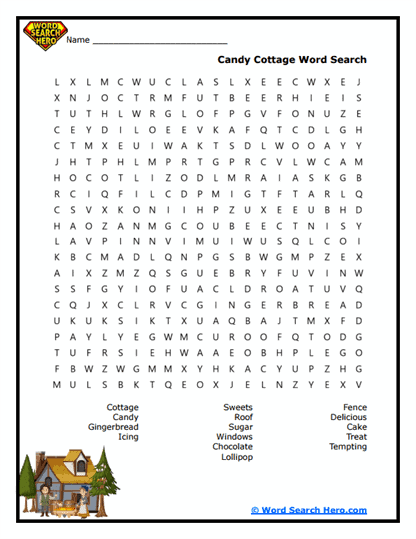
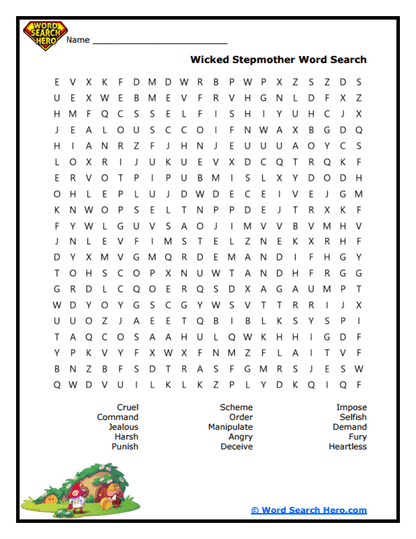
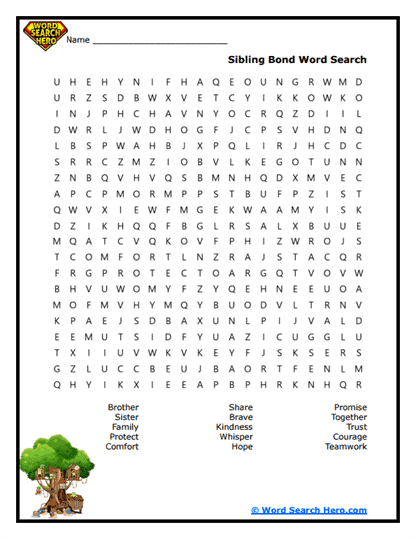
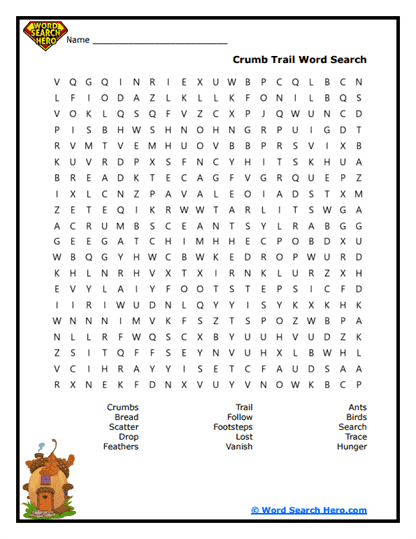
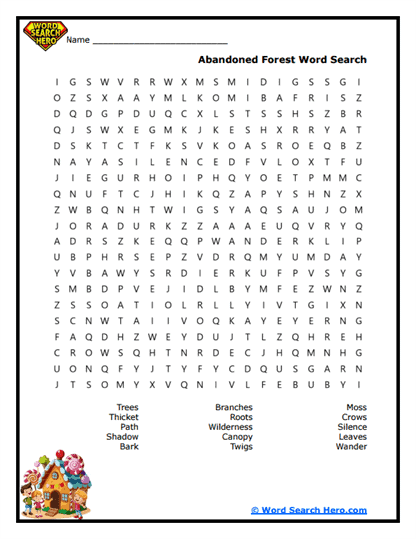
About Our Hansel and Gretel Word Searches
Hansel and Gretel word searches offer a captivating way to explore one of the most well-known cautionary fairy tales while focusing on its narrative structure and moral lessons. These printable puzzles introduce learners to key terms such as forest, breadcrumbs, witch, candy house, oven, and escape, all directly tied to the story’s events. As users search for words, they engage more deeply with the unfolding narrative.
The story follows two children who are abandoned in the forest and must rely on their wits to survive. Along the way, they encounter a house made of sweets that hides a dangerous secret. The tale highlights themes of survival, temptation, and clever decision-making, making it a powerful example of a cautionary story.
These word searches help reinforce vocabulary, reading comprehension, and critical thinking. They are ideal for classrooms, literature discussions, or at-home learning activities.
With varying difficulty levels, Hansel and Gretel word searches provide an engaging way to explore the story while emphasizing its deeper meaning.
The Narrative and Its Cautionary Message
The story of Hansel and Gretel becomes clearer when students focus on its key narrative elements-choices, challenges, and consequences. Word searches centered on this topic often include terms like breadcrumbs, forest, hunger, trap, witch, and escape. Each of these reflects an important part of the story’s progression.
At its core, Hansel and Gretel is a cautionary tale about danger, temptation, and resourcefulness. The children are placed in a difficult situation and must make decisions to survive. The candy house represents temptation, while the witch represents hidden danger. When the children trust what seems appealing, they are placed at risk, but their clever thinking ultimately helps them escape.
Encouraging students to think about these elements helps deepen understanding. They can ask questions like, “Why was the candy house dangerous?” and “What choices helped Hansel and Gretel survive?” This kind of thinking builds stronger comprehension of both narrative flow and moral meaning.
By focusing on the story’s message, students begin to see Hansel and Gretel not just as an adventure, but as a lesson about caution, awareness, and smart decision-making.
Paul’s Pro-Tip
One of the most effective ways to use a Hansel and Gretel word search is to turn it into a “decision survival map.” As students find words like “breadcrumbs,” “forest,” and “witch,” have them track each major decision the characters make and determine whether it helped or hurt their situation. For example, leaving breadcrumbs was a smart plan, but it failed due to an overlooked detail. This helps students understand that even good decisions can have risks if not fully thought through.
Another powerful strategy is the “temptation vs. danger analysis.” After completing the puzzle, ask students to focus specifically on the candy house and break down why it was so appealing and why it was dangerous. What clues might have warned them? What could they have done differently? This encourages deeper thinking about how appearances can be misleading. It also reinforces one of the story’s core lessons-things that seem too good to be true often carry hidden risks.
From Story to Moral Reflection
Hansel and Gretel word searches can lead to deeper learning when students focus on how the narrative connects to its moral lessons. After completing a puzzle, students can choose one event-such as following the breadcrumbs or entering the candy house-and explain its role in the story. This helps connect vocabulary to meaning.
For example, a student might explore how planning ahead helped Hansel try to find a way home or how quick thinking allowed Gretel to outsmart the witch. Another might examine how trust and caution play opposing roles in the story. These reflections help students understand how actions lead to consequences.
This approach also supports cross-curricular learning. It can connect with writing by asking students to retell the story from a different perspective or with critical thinking by analyzing character decisions. Group discussions can deepen understanding by comparing ideas.
By focusing on narrative and moral, students gain a clearer picture of Hansel and Gretel. It transforms a simple puzzle into a meaningful exploration of survival, caution, and decision-making.
Frequently Asked Questions
What is the main moral of Hansel and Gretel?
The main moral centers on being cautious of temptation and thinking carefully in dangerous situations. The story shows how things that appear inviting, like the candy house, can hide serious risks. It also emphasizes the importance of resourcefulness and quick thinking. This makes it a strong cautionary tale about awareness and survival.
Why are the breadcrumbs important in the story?
The breadcrumbs represent planning and an attempt to solve a problem. Hansel uses them to try to mark a path home through the forest. However, they fail because they are eaten, showing that even good plans can have weaknesses. This highlights the importance of thinking through consequences.
What does the candy house symbolize?
The candy house symbolizes temptation and false security. It appears welcoming and harmless, but it hides danger in the form of the witch. This contrast reinforces the idea that appearances can be misleading. It is one of the most important symbols in the story.
How can I make Hansel and Gretel word searches more interactive?
You can have students track each decision the characters make and discuss whether it helped or hurt them. Another effective activity is analyzing the candy house as both a temptation and a danger. These strategies deepen understanding and engagement. They also connect the puzzle to the story’s moral lessons.
Why is Hansel and Gretel considered a cautionary tale?
It is considered a cautionary tale because it shows the consequences of trusting appearances and making risky decisions. The story presents challenges that require careful thinking to overcome. Its events clearly demonstrate cause and effect. This helps reinforce lessons about caution and awareness.