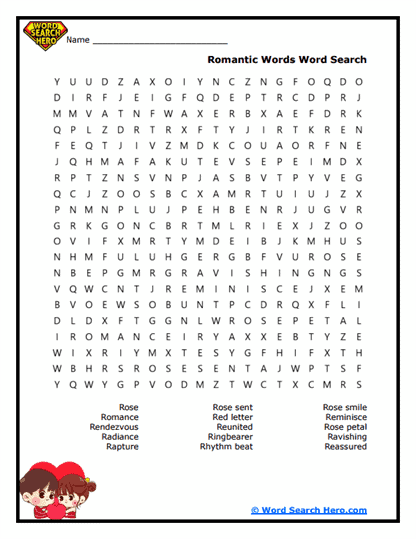
About Our Starts With Letter R Word Searches
Our Starts With Letter R word search collection brings together a wide range of vocabulary, all connected by one powerful and flexible starting letter. From rainforest creatures like “red howler” to high-tech terms like “rocketry” and real-world roles like “rescuers,” these puzzles show how often R appears across meaningful, everyday language.
What makes this collection stand out is how naturally it connects to real-life topics. Students aren’t just finding random words-they’re exploring ecosystems, sustainability, emergency services, dining, and reading strategies all within a single set of puzzles. This makes it a great companion to broader learning areas like science and real-world exploration found in careers.
For teachers, these puzzles fit easily into literacy stations or cross-subject lessons. For parents and homeschoolers, they offer a simple way to introduce practical vocabulary without needing extra prep. With every word starting with R, students quickly begin recognizing patterns that support stronger spelling and reading fluency.
How R Words Help Students Connect Language to the Real World
R words have a unique way of grounding vocabulary in real experiences.
Across this collection, students encounter words tied to environments (rainforest, riverside), actions (rescue, recycle), and everyday experiences (restaurant, reading). These aren’t abstract terms-they’re words students can picture, relate to, and often see in their daily lives.
That connection matters.
When vocabulary feels relevant, students are more likely to remember it and use it. A word like “recycling” isn’t just something to find in a puzzle-it connects to habits at home or school. A word like “rescue” can lead to conversations about community helpers or safety. This makes R-based puzzles a natural extension of learning in areas like environmental-science or community-focused topics such as community-helpers.
Instead of learning words in isolation, students begin to see how language reflects the world around them-and that’s where vocabulary becomes truly meaningful.
Paul’s Pro-Tip
 With R puzzles, focus on the “re-” beginnings first.
Many R words in this collection start with “re” (like recycle, rescue, reentry, or repurpose). Train your eyes to quickly spot that repeating pattern in the grid. Once you find “re,” you can often follow the rest of the word with much less effort.
It’s a simple trick that works especially well with R-heavy vocabulary.
Easy Ways to Reinforce Action and Descriptive R Words
This collection is packed with action words and descriptive language, making it perfect for quick reinforcement activities.
After finishing a puzzle, choose a few strong R words-like “rescue,” “roam,” “rapid,” or “rustic”-and put them into use right away. Students can act them out, describe a scene using them, or explain what they mean in their own words.
You can also turn this into a quick sorting activity:
- action words (rescue, recycle, roam)
- descriptive words (rocky, radiant, rural)
- real-world nouns (riverbank, restaurant, reptile)
This pairs naturally with language-building topics like action verbs and descriptive categories such as adjectives, helping students see how different types of words work together.
The key is repetition with purpose. The more students use these words in speaking, writing, or discussion, the more likely they are to remember them and use them confidently later.
Frequently Asked Questions
Are the words in these puzzles always related to the letter R?
Yes. Every word in these puzzles begins with the letter R, which helps students focus on recognizing consistent spelling patterns.
Can these puzzles help learners recognize word beginnings?
They’re especially helpful for that. By repeatedly seeing words that start the same way, students become more aware of how beginnings shape the rest of a word.
What directions might the words appear in?
Words can appear horizontally, vertically, diagonally, and sometimes even backward, which encourages careful scanning and attention to detail.
Do these puzzles introduce new vocabulary?
They often do. Many puzzles include both familiar and less common words, giving students a chance to expand their vocabulary naturally while solving.
What makes word searches a useful educational activity?
They combine multiple skills at once-reading, pattern recognition, and concentration-making them an efficient and engaging way to strengthen literacy.