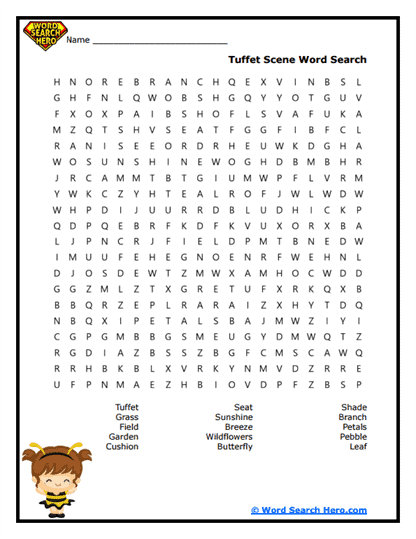
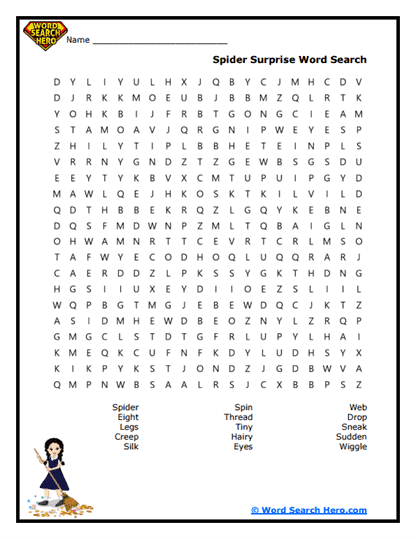
About Our Little Miss Muffet Word Searches
Our Little Miss Muffet Word Searches collection turns the classic nursery rhyme into a playful and educational puzzle activity. Inspired by the well-known rhyme about Little Miss Muffet sitting on her tuffet and being surprised by a spider, these printable puzzles help young learners strengthen reading, vocabulary, and concentration skills while engaging with a familiar story.
Nursery rhymes are often one of the first forms of literature children experience. Their rhythm, repetition, and memorable imagery make them easy to learn and fun to repeat. By turning Little Miss Muffet into a word search activity, students can interact with the vocabulary from the rhyme in a hands-on and engaging way.
Teachers, parents, and homeschool educators appreciate word searches because they combine entertainment with literacy practice. As students search the puzzle grid for words connected to the rhyme-such as spider, tuffet, curds, whey, sat, and frightened-they strengthen spelling recognition, expand vocabulary, and build reading confidence.
These puzzles fit easily into many learning environments. In the classroom, teachers often use them as literacy center activities, morning warm-ups, or early-finisher tasks during nursery rhyme units. Homeschool families may include them in early reading lessons or poetry studies. They also work well as quiet independent activities at home.
Word searches also support visual scanning and attention to detail. Students carefully examine rows, columns, and diagonals while looking for hidden words, strengthening the focus required for reading and problem solving.
Because the story of Little Miss Muffet is short, humorous, and memorable, students tend to stay engaged. The puzzle transforms a familiar rhyme into an interactive learning activity that feels fun while reinforcing essential literacy skills.
The Curious Story Behind Little Miss Muffet
The rhyme Little Miss Muffet has been recited by children for centuries and remains one of the most recognizable nursery rhymes. In the rhyme, Little Miss Muffet sits on a tuffet while eating curds and whey when a spider appears and frightens her away.
Although the rhyme is brief, it contains several interesting and unusual vocabulary words. Words like tuffet, curds, and whey may be unfamiliar to many students, which makes the rhyme a great opportunity to introduce new language.
A tuffet is traditionally described as a small seat, stool, or grassy mound where someone might sit. Curds and whey refer to parts of milk that separate during the process of making cheese. These words offer a fun way for teachers and parents to talk about food, farming, and historical life.
When students complete a word search based on the rhyme, they encounter these unique words while also revisiting the events of the story. Finding words such as spider, sat, tuffet, and frightened helps reinforce both spelling and story recognition.
Teachers sometimes use the rhyme as a starting point for discussions about storytelling and surprise endings. Students may talk about why Miss Muffet was frightened or imagine what might have happened next.
Connecting the puzzle words with the rhyme’s story helps students remember the vocabulary while enjoying the playful nature of the classic verse.
Paul’s Pro-Tip
After decades in the classroom, I can tell you that spiders get everyone’s attention.
When we do a Little Miss Muffet puzzle, I ask students one funny question: “Do you think the spider wanted to scare Miss Muffet-or just share her snack?”
The answers are hilarious.
Then I challenge students to use one word from the puzzle to invent their own ending to the rhyme. Suddenly the spider might become a friend, a chef, or even a detective.
Vocabulary practice plus storytelling equals a very happy teacher.
Why Nursery Rhyme Puzzles Support Early Literacy
Nursery rhyme word searches are especially helpful for young learners because they connect puzzles with stories that children often already know. Familiar rhymes make vocabulary easier to recognize and remember.
When students search for words related to Little Miss Muffet, they repeatedly encounter terms connected to the rhyme. Words such as spider, tuffet, curds, and whey become easier to recognize through repetition.
Word searches also strengthen visual tracking skills. Students carefully scan rows and columns of letters while searching for hidden words, practicing the same attention skills used when reading sentences.
Another important benefit is confidence building. Each time students locate a word, they experience a small success that motivates them to continue. This sense of progress helps build persistence and problem-solving habits.
Teachers often extend the activity by asking students to match words from the puzzle to moments in the rhyme. For example, students might identify which word represents what Miss Muffet was eating or what frightened her away.
By combining puzzles with storytelling, these activities reinforce reading skills, vocabulary growth, and creative thinking while keeping learning enjoyable.
Frequently Asked Questions
What words appear in Little Miss Muffet word searches?
Common words include spider, tuffet, curds, whey, sat, frightened, and other vocabulary connected to the nursery rhyme.
What does “tuffet” mean in the Little Miss Muffet rhyme?
A tuffet usually refers to a small seat, stool, or grassy mound where someone might sit.
Are Little Miss Muffet word searches good for younger students?
Yes. They are especially useful for early elementary learners because the rhyme is short and memorable.
Can teachers use these puzzles during nursery rhyme lessons?
Absolutely. They work well as literacy center activities, early-finisher tasks, or follow-up exercises after reading the rhyme.
Do the puzzles include unusual words like curds and whey?
Yes. Many puzzles include these classic words, giving students a chance to learn vocabulary that appears directly in the rhyme.