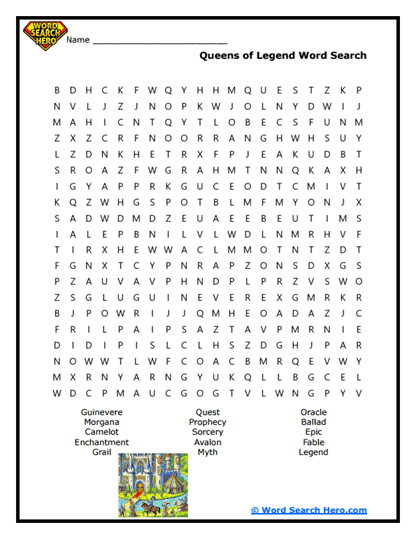
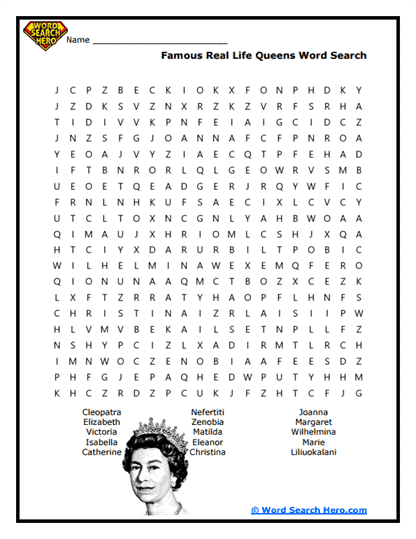
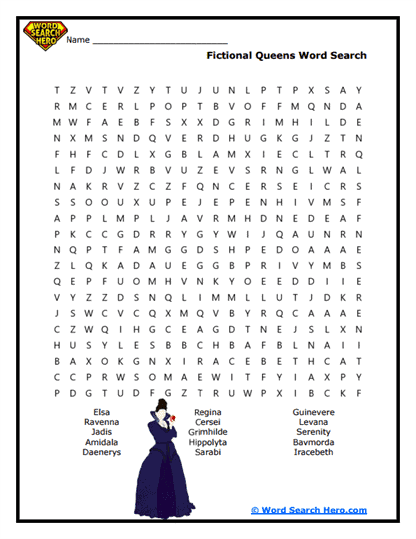
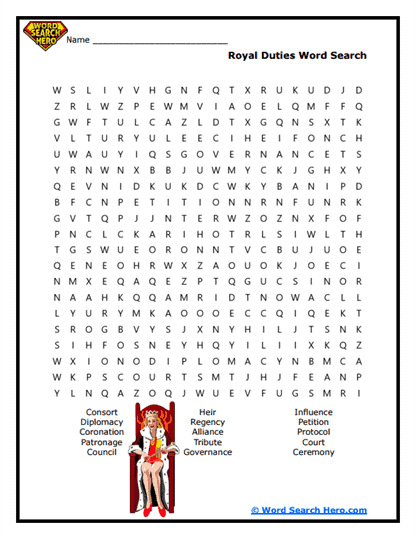
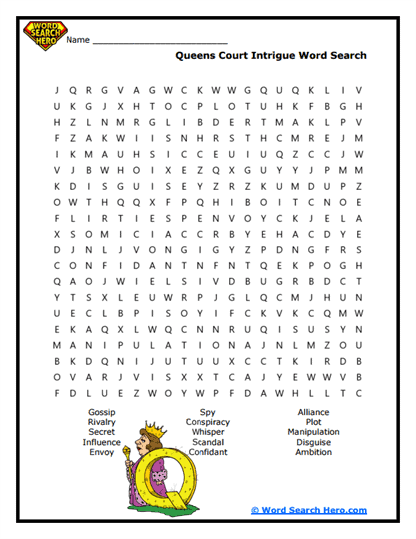
About Our Queens of History Word Searches
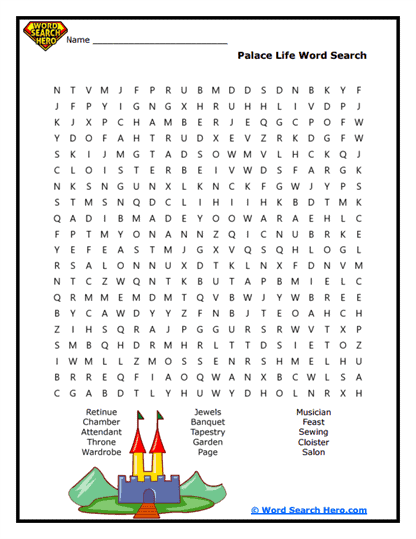
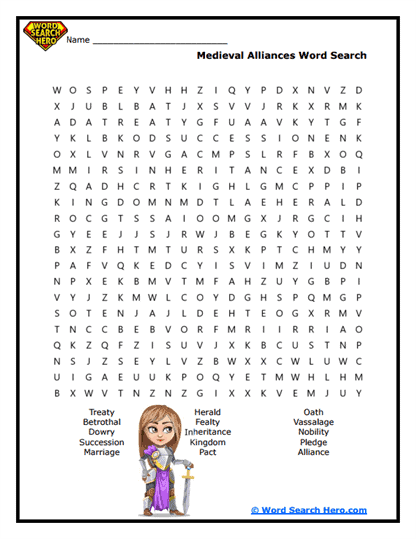
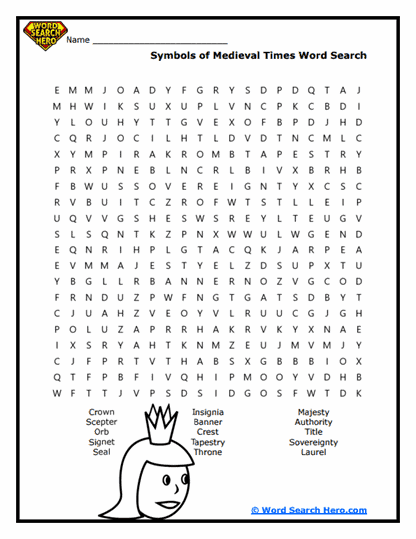
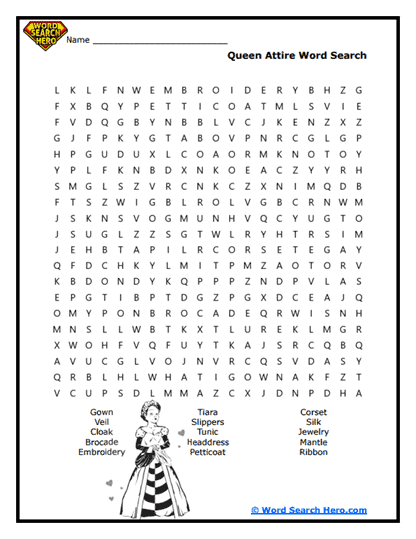
Our Queens of History Word Searches introduce students to powerful female rulers from medieval times while strengthening vocabulary and reading skills through engaging printable puzzles. Throughout the Middle Ages, queens played important roles in royal courts and kingdoms. Some ruled alongside kings, others governed lands during times of war or political change, and many helped shape diplomacy, culture, and leadership traditions. These puzzles allow learners to explore vocabulary connected to medieval queens while practicing important literacy skills.
Word searches are an effective learning activity because they encourage students to actively interact with vocabulary. As learners scan the puzzle grid for hidden words, they practice recognizing spelling patterns, identifying letter combinations, and strengthening visual tracking skills. These abilities support reading development and help students become more confident when encountering historical terminology.
Teachers often incorporate themed puzzles like these into medieval history units as classroom warm-ups, literacy center activities, or enrichment for early finishers. Because students can work independently while still reinforcing key vocabulary, word searches help maintain a focused learning environment.
Parents and homeschool educators also appreciate how easily printable puzzles fit into learning routines. A puzzle can introduce important vocabulary before a lesson about medieval rulers or help reinforce concepts afterward.
The theme of queens naturally sparks curiosity about royal courts, leadership, diplomacy, and medieval traditions. Words related to crowns, thrones, kingdoms, and royal authority help students picture how queens influenced their societies.
By combining historical themes with puzzle-solving, these activities transform vocabulary practice into an engaging exploration of medieval leadership.
The Influence of Queens in Medieval History
Queens in medieval times often held far more influence than people might expect. While kings were usually the official rulers, queens frequently played key roles in governing kingdoms, advising leaders, and maintaining diplomatic relationships between royal families.
Some queens ruled as regents when kings were away at war or when young heirs were too young to govern. In these situations, queens managed political decisions, organized royal courts, and helped maintain stability within the kingdom. Their leadership could be crucial during times of uncertainty.
Many queens were also involved in diplomatic alliances between kingdoms. Marriages between royal families often strengthened political relationships, helping reduce conflict and promote cooperation between regions.
Beyond politics, queens helped shape culture and tradition within royal courts. They often supported education, religion, and artistic activities, influencing the social life of their kingdoms.
When students encounter vocabulary connected to queens through puzzle activities, they begin to recognize the important roles women played in medieval leadership. Words like crown, court, kingdom, and royal help learners visualize the responsibilities and influence of queens.
Teachers can extend the activity by asking students to think about what qualities might make a successful queen. Would she need wisdom, fairness, or courage? Questions like these help learners connect vocabulary with leadership traits.
Exploring the influence of queens allows students to see that medieval history included many powerful and influential female figures.
Paul’s Pro-Tip

Once students finish the puzzle, turn the vocabulary into a leadership discussion. Ask them to pick three words from the puzzle and explain how those words might connect to the responsibilities of a queen.
Another great activity is a “royal council” challenge. Students choose a word from the puzzle and explain how a queen might use it while making an important decision for her kingdom.
These small follow-up activities help students connect vocabulary with leadership ideas and historical roles.
Why Learning About Queens Helps Students Understand Medieval Society
Studying queens provides an important perspective on medieval society. Royal women often influenced diplomacy, culture, and governance in ways that shaped the direction of entire kingdoms.
Word search puzzles help introduce the vocabulary associated with royal leadership. As students search for words in the grid, they become more familiar with spelling patterns and historical terms related to medieval courts and royal authority.
The puzzle-solving process also strengthens cognitive skills such as concentration, pattern recognition, and visual scanning. Students must carefully examine rows, columns, and diagonal lines to locate hidden words, which encourages attention to detail and persistence.
Another advantage is visualization. Words connected to queens and royal life often bring to mind castles, crowns, royal courts, and ceremonial traditions. These mental images help students better understand how medieval leadership functioned.
Puzzle-based learning also encourages curiosity. When students encounter vocabulary connected to famous queens and royal traditions, they often ask questions about the people and events behind those terms.
By combining interactive puzzles with historical themes, students gain both vocabulary practice and a deeper understanding of medieval leadership and royal influence.
Frequently Asked Questions
What types of vocabulary appear in Queens of History word searches?
These puzzles typically include words connected to royal leadership and medieval courts, such as queen, crown, throne, court, kingdom, and royal advisor. These terms help students become familiar with the language used when studying medieval monarchies.
How can teachers use Queens of History word searches in a medieval history unit?
Teachers can use the puzzle as an introduction to a lesson about royal leadership and the role of queens in medieval society. After completing the puzzle, students can discuss how queens influenced politics, diplomacy, and royal traditions.
Why is it important for students to learn about queens in medieval history?
Queens often played significant roles in governing kingdoms, forming alliances, and maintaining stability within royal courts. Learning about their influence helps students understand that leadership in medieval times included powerful female figures as well as kings.
Can these puzzles help students remember important historical vocabulary?
Yes, searching for historical terms within a word search grid reinforces spelling patterns and word recognition. Repeated exposure to these terms makes them easier for students to recognize later in history readings and lessons.
How can homeschool families expand the learning after completing the puzzle?
Parents can ask students to choose several words from the puzzle and explain how those words might appear in the life of a medieval queen. This helps children connect vocabulary with historical leadership and royal traditions.