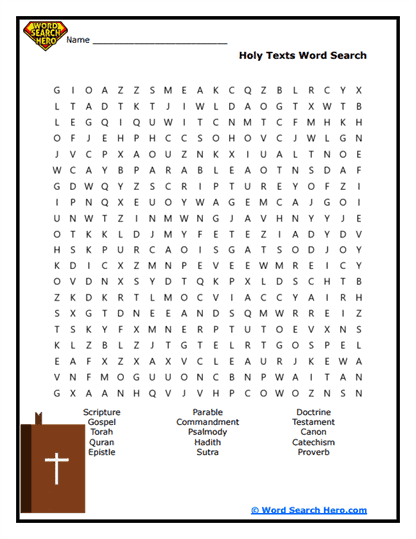
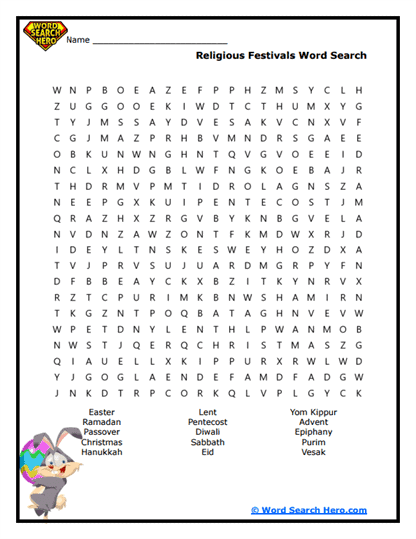
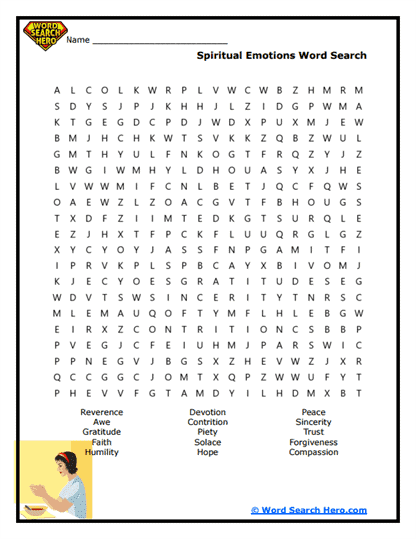
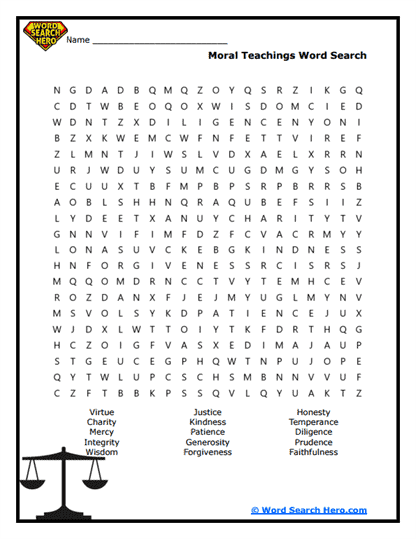
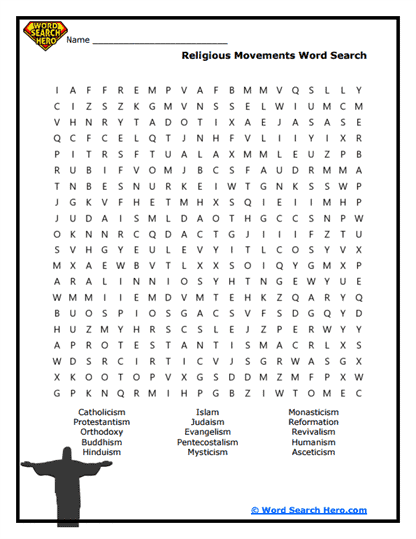
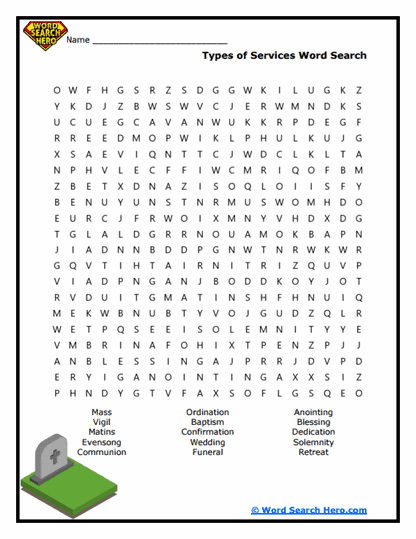
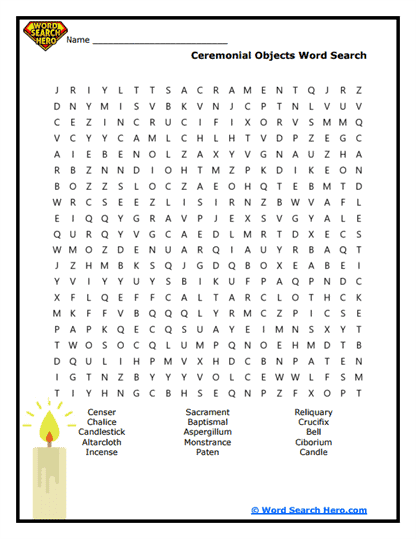
About Our Religious Services Word Searches
Our Religious Services Word Searches provide a thoughtful and engaging way to explore vocabulary connected to places of worship, traditions, and faith-based gatherings. These printable puzzles feature words related to religious services, ceremonies, community worship, and spiritual practices. Teachers, parents, and homeschool educators often appreciate activities like these because they combine quiet reflection with meaningful vocabulary learning.
As participants search through the puzzle grid, they strengthen essential literacy skills such as spelling recognition, visual tracking, and concentration. Word searches encourage learners to carefully scan letters and patterns while identifying hidden words related to worship gatherings, prayers, music, and religious traditions. Even though the activity feels relaxed and playful, it supports important reading and vocabulary development.
The theme of religious services is especially meaningful because it reflects traditions practiced by many families and communities around the world. Words connected to gatherings, hymns, sermons, and prayer often spark thoughtful conversations about traditions, celebrations, and shared values. These discussions help learners connect vocabulary with real-life experiences.
Teachers sometimes include faith-based vocabulary puzzles in lessons about culture, traditions, or world religions. Parents and homeschool educators also enjoy using them during quiet study time, family discussions, or reflective learning moments. Because the puzzles require minimal setup, they can easily be printed and used as independent activities.
Exploring religious service vocabulary through puzzles encourages both learning and reflection. Participants practice language skills while also thinking about community gatherings, traditions, and the meaningful rituals that bring people together in worship.
Understanding the Language of Worship Gatherings
Religious services often include a wide range of meaningful words and traditions. From hymns and prayers to sermons and readings, the language used during these gatherings reflects centuries of history and spiritual practice. When learners encounter these words in a puzzle format, they begin to recognize and remember them more easily.
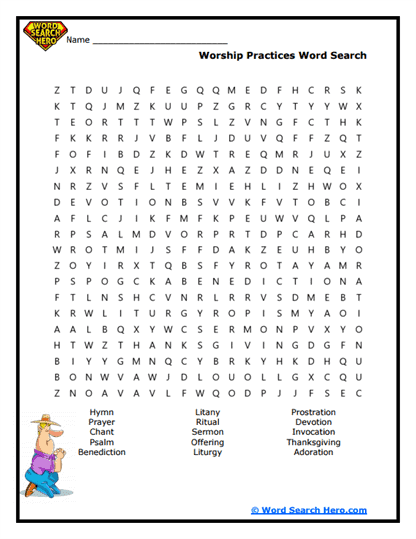
Words related to religious services often include terms like prayer, hymn, altar, scripture, and congregation. As participants search for these words within a puzzle grid, they strengthen spelling awareness and vocabulary recognition. The activity encourages careful observation while reinforcing the meaning behind each word.
Teachers sometimes use puzzles like these to support lessons about cultural traditions and global religions. Religious services can look different across communities and faiths, but many share similar elements such as gatherings, music, reflection, and shared teachings. Exploring these common ideas helps students appreciate both differences and similarities among traditions.
Another advantage of themed puzzles is how easily they create opportunities for discussion. After completing the puzzle, learners may talk about traditions they have experienced or heard about. This encourages respectful conversation while reinforcing vocabulary in a meaningful context.
By connecting language with traditions and cultural understanding, puzzles like these help learners see how words reflect real-life practices and shared experiences within communities.
Paul’s Pro-Tip
Religious-themed word searches work really well during quiet reflection time. I like to give students a few minutes to solve the puzzle, then ask them to choose one word they found and explain what it means or where they’ve heard it before.
It’s a simple way to connect vocabulary with understanding. Sometimes students even discover that different traditions use similar words in different ways. Those small conversations can turn a simple puzzle into a thoughtful learning moment.
Connecting Word Puzzles to Cultural Understanding
Word searches centered on religious services can also support broader learning about culture and traditions. Many communities around the world gather regularly for worship, celebration, and reflection. Exploring vocabulary connected to these gatherings helps learners better understand how people express faith and spirituality.
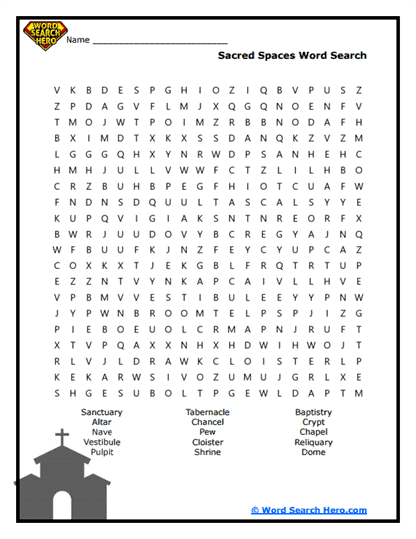
For example, a puzzle might include words related to music, community gatherings, or sacred texts. As participants search for these words, they begin to recognize how different elements work together during a service. Music may accompany prayer, readings may guide reflection, and community members gather to share traditions.
Teachers often use these themes to encourage respectful curiosity about cultural practices. Students may compare how different communities gather for worship or learn about various traditions practiced across the world. This type of learning promotes both vocabulary growth and cultural awareness.
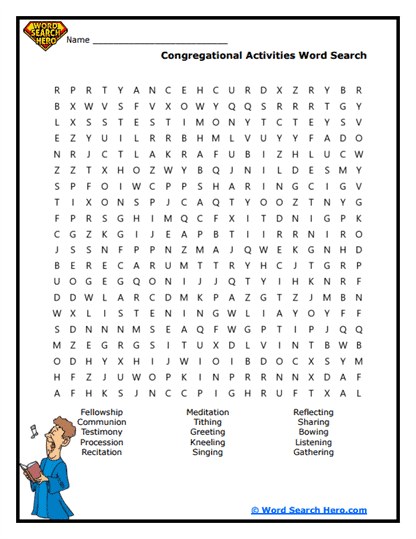
Families can also use puzzles like these to discuss traditions they practice together. Children may recognize familiar words from services they attend, which helps reinforce both language and understanding. These conversations can strengthen family traditions while encouraging curiosity about faith and community.
By connecting puzzles with thoughtful discussions, educators and families create opportunities for meaningful learning. The puzzle becomes more than a simple activity-it becomes a starting point for understanding traditions, language, and shared community experiences.
Frequently Asked Questions
How can teachers use religious services word searches in the classroom?
Teachers may use these puzzles as quiet learning activities when discussing traditions, cultural studies, or community gatherings. The puzzles help reinforce vocabulary while providing a calm activity that encourages reflection and discussion.
Are religious services word searches useful for homeschool learning?
Yes, they work very well in homeschool environments because they combine vocabulary practice with meaningful themes. Parents can print a puzzle and then discuss traditions, community gatherings, or cultural practices connected to the words.
Do word searches help improve vocabulary related to traditions and culture?
Word searches strengthen vocabulary by encouraging learners to identify and recognize words repeatedly. As students search for each word in the puzzle grid, they reinforce spelling patterns and word recognition skills that support reading development.
What age groups benefit most from these puzzles?
Elementary and middle school students often enjoy themed puzzles because they combine learning with a game-like challenge. However, older students and adults can also appreciate them as relaxing brain activities that reinforce vocabulary and concentration.
Can these puzzles encourage respectful discussions about traditions?
Absolutely. When learners encounter words connected to worship and community gatherings, it often leads to thoughtful conversations about traditions and cultural practices. These discussions help build understanding while reinforcing the vocabulary found in the puzzle.