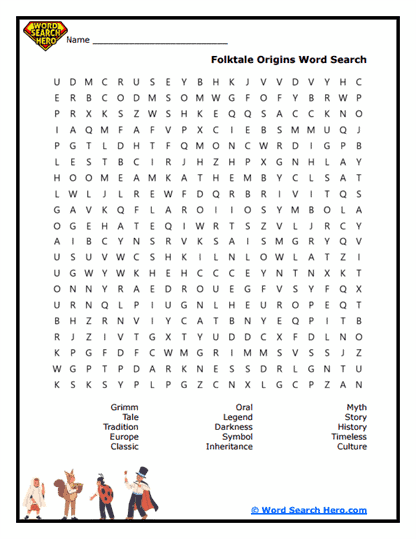
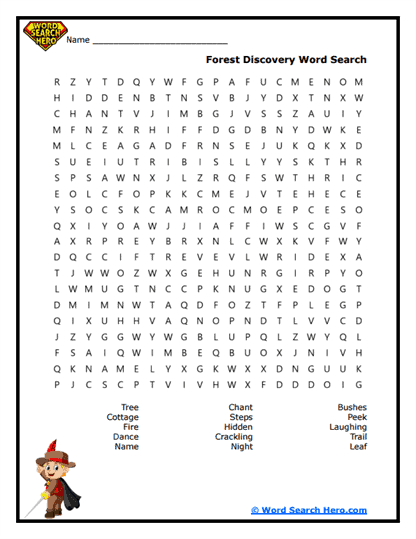
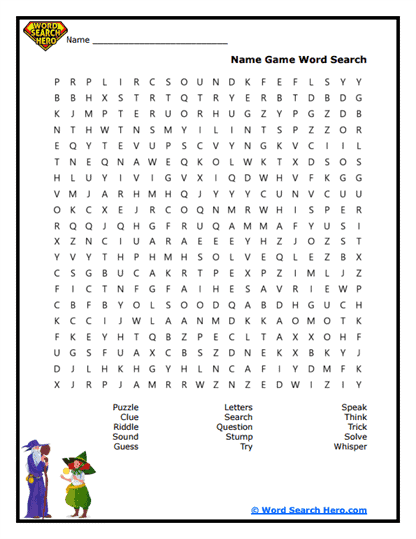
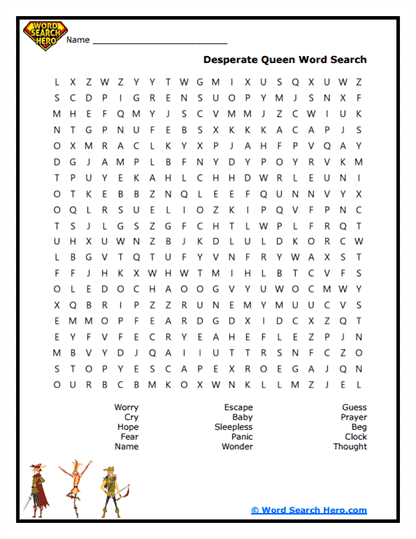
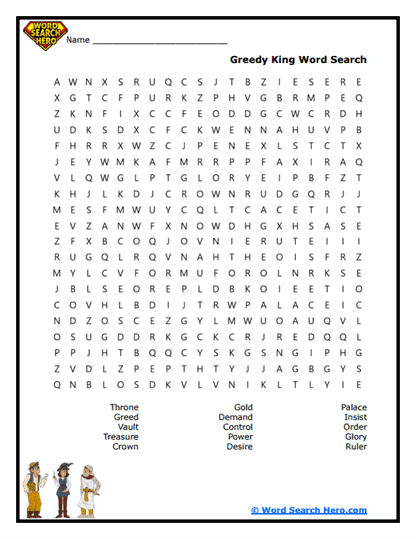
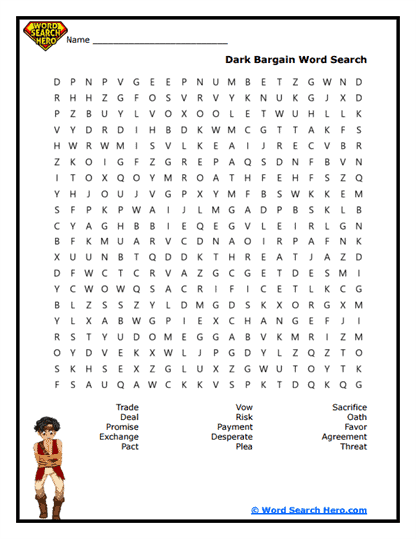
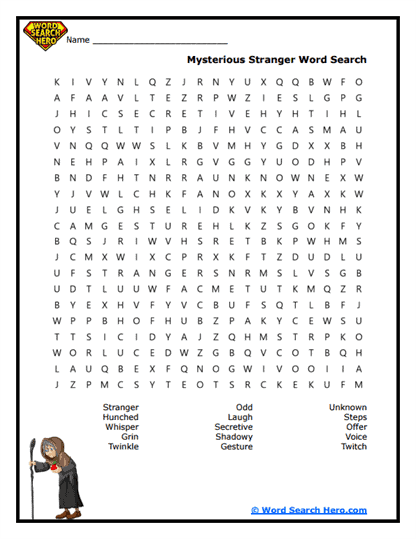
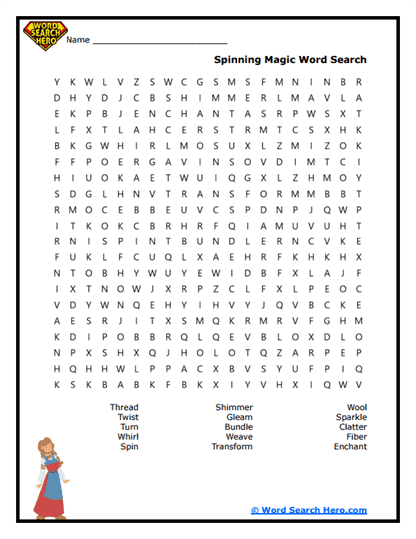
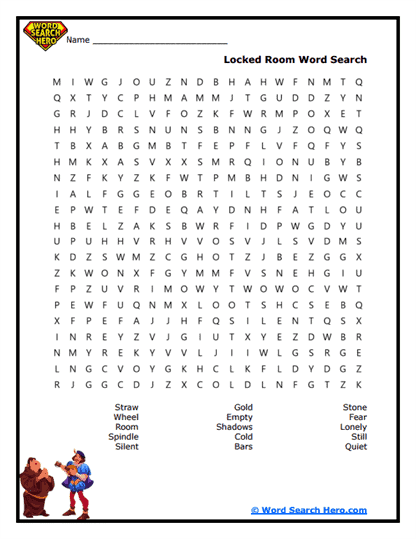
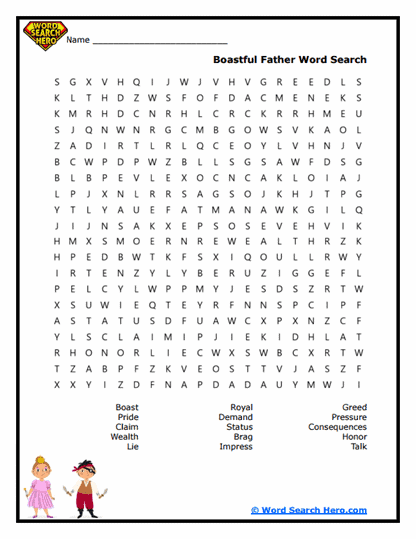
About Our Rumpelstiltskin Word Searches
Rumpelstiltskin word searches offer an exciting way to explore one of the most memorable fairy tales ever collected by the Brothers Grimm while uncovering its rich narrative and timeless moral lessons. These printable puzzles introduce students to important vocabulary connected to promises, honesty, greed, courage, mystery, magic, and clever thinking. As learners search for each word, they follow the story’s dramatic journey from a careless boast to an unforgettable mystery that can only be solved through patience and wisdom.
The story begins when a miller exaggerates his daughter’s abilities, claiming she can spin straw into gold. His boast places her in grave danger when the king demands she prove the impossible. A mysterious stranger offers magical help-but every favor comes with a price. As the tale unfolds, promises, greed, and difficult choices lead to an unforgettable challenge centered on discovering the stranger’s true name. The story reminds readers that careless words, impossible bargains, and unchecked ambition often create problems far greater than they first appear.
These word searches strengthen vocabulary, spelling, reading comprehension, and literary analysis while encouraging students to think about honesty, responsibility, and wise decision-making.
With puzzles covering magical spinning, mysterious bargains, royal greed, hidden clues, and classic folklore, this collection helps readers appreciate why Rumpelstiltskin has remained one of the world’s best-loved fairy tales for generations.
The Narrative and Its Moral Lessons
Rumpelstiltskin follows a chain of events that begins with one dishonest boast and grows into a series of increasingly difficult choices. Word searches throughout this collection introduce students to themes such as honesty, greed, promises, courage, responsibility, perseverance, wisdom, curiosity, family, and justice. Together, these ideas reveal how every decision shapes the outcome of the story.
At its heart, Rumpelstiltskin is a cautionary tale about the consequences of words and promises. The miller’s pride creates a dangerous situation, the king’s greed demands the impossible, and the desperate bargain with the mysterious stranger demonstrates how quick solutions often carry hidden costs. Rather than relying on magic alone, the story ultimately rewards careful observation, persistence, and thoughtful problem-solving.
The fairy tale also reminds readers that appearances can be deceptive. The stranger seems helpful at first, but each agreement becomes more serious than the last. Likewise, the king’s desire for endless wealth blinds him to fairness and compassion. These lessons encourage readers to think critically before making promises or accepting offers that seem too good to be true.
Students can deepen their understanding by discussing questions such as, “Which character’s decision created the greatest problem?” and “Why is learning Rumpelstiltskin’s name more powerful than using magic?”
Paul’s Pro-Tip

One of the most effective ways to use a Rumpelstiltskin word search is to create a “cause and consequence chain.” As students find words like boast, promise, greed, name, and solve, have them connect each word to the event it causes later in the story. For example, the miller’s boast leads to the king’s impossible demand, which leads to the bargain with Rumpelstiltskin. This helps students recognize how one poor decision can create an entire chain of consequences, making the fairy tale’s moral much easier to understand.
Another engaging activity is the “fair bargain or unfair bargain?” discussion. After completing the puzzle, ask students to examine every agreement made throughout the story. Was the miller’s boast fair? Was the king’s demand reasonable? Was Rumpelstiltskin’s bargain honest? Encourage students to explain why each agreement succeeds or fails and what each character could have done differently. This activity develops critical thinking while reinforcing one of the fairy tale’s central lessons-that important decisions should never be made without careful thought.
From Story to Literary Understanding
Rumpelstiltskin word searches become even more meaningful when students connect the vocabulary to the fairy tale’s larger lessons. After completing a puzzle, students can choose one word and explain how it changes the direction of the story or reveals something about a character.
For example, students might explore how greed motivates the king’s actions, how promise becomes the source of the queen’s greatest challenge, or how name symbolizes the power of knowledge over magic. Others may examine how courage helps the queen continue searching for a solution instead of giving up when the situation seems hopeless.
These activities naturally support literature, character education, and critical thinking by encouraging discussions about honesty, responsibility, perseverance, careful decision-making, and the importance of thinking before speaking or making commitments.
By connecting vocabulary to the narrative and its moral lessons, students transform a simple word search into a deeper exploration of one of the most enduring cautionary fairy tales ever written.
Frequently Asked Questions
What is the main moral of Rumpelstiltskin?
One of the story’s strongest lessons is that careless words and promises can have lasting consequences. The miller’s boast, the king’s greed, and the queen’s desperate bargain all create problems that become increasingly difficult to solve. The fairy tale encourages honesty, thoughtful decision-making, and accepting responsibility for one’s choices.
Why is the king’s greed so important to the story?
The king’s desire for unlimited gold drives much of the conflict. Instead of appreciating what he already has, he continually demands more, placing impossible expectations on others. His greed demonstrates how the pursuit of wealth without compassion can lead to injustice and suffering.
Why does knowing Rumpelstiltskin’s name solve the problem?
In many traditional fairy tales, knowing a magical being’s true name symbolizes gaining understanding and power. The queen succeeds not through strength or wealth, but through careful observation, persistence, and knowledge. This reinforces the lesson that wisdom often overcomes problems that force cannot.
How can I make Rumpelstiltskin word searches more interactive?
Have students build a timeline showing how each important decision leads to the next event in the story. Another excellent activity is comparing each bargain made throughout the tale and discussing whether it was fair, wise, or made under pressure. These exercises strengthen both reading comprehension and critical thinking while highlighting the story’s moral lessons.
Why is Rumpelstiltskin considered a cautionary fairy tale?
The story warns readers about the dangers of pride, greed, dishonesty, and making promises without considering the consequences. Nearly every major conflict begins with someone making a poor decision or acting out of selfishness. By showing how thoughtful problem-solving eventually resolves the crisis, the tale reminds readers that wisdom, honesty, and patience are more valuable than quick solutions or empty boasts.