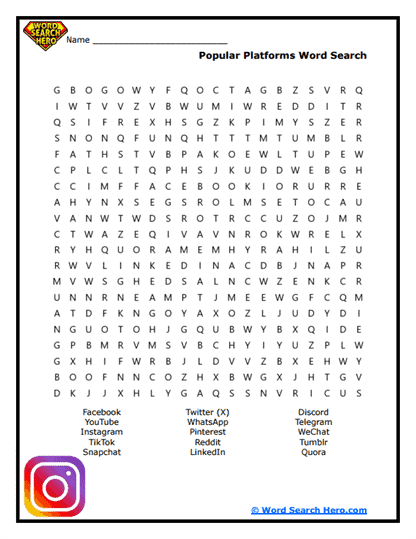
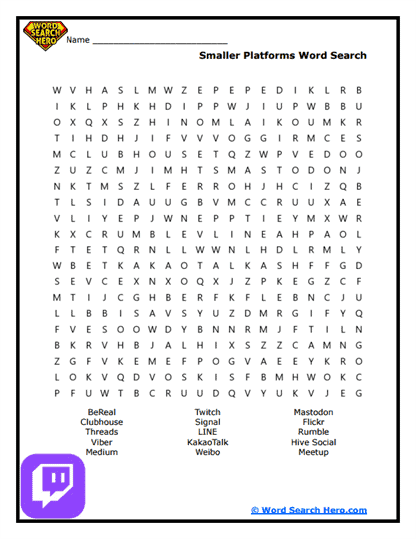
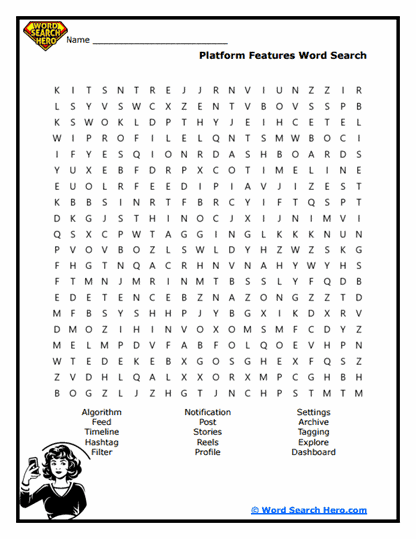
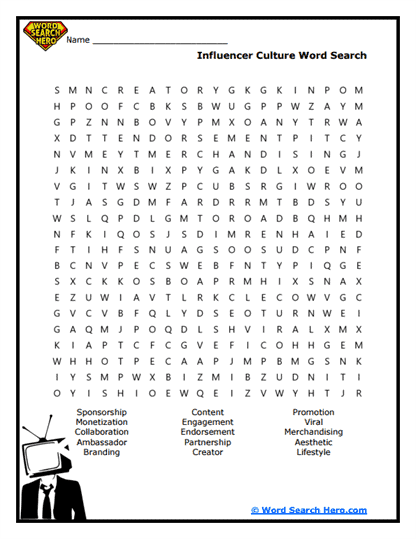
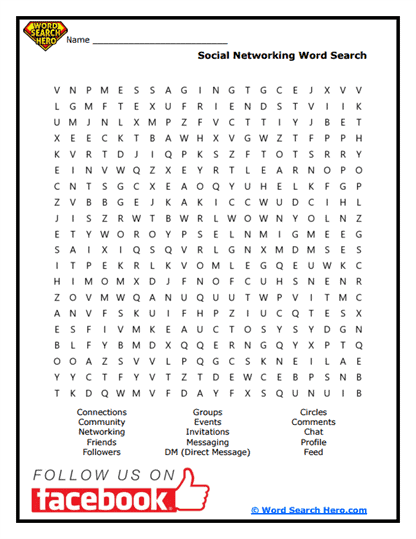
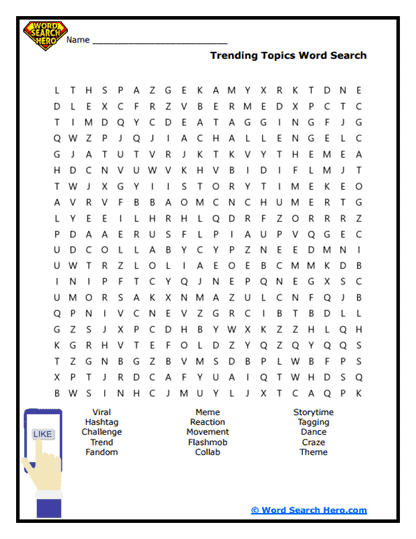
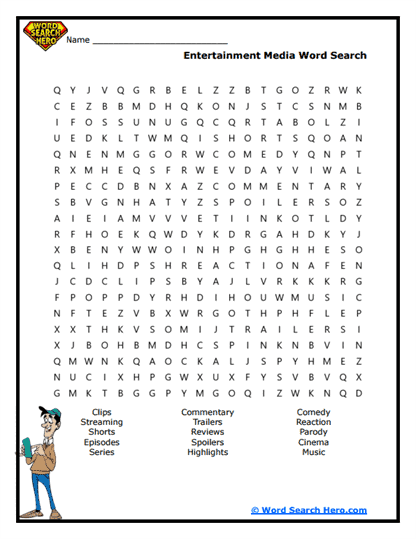
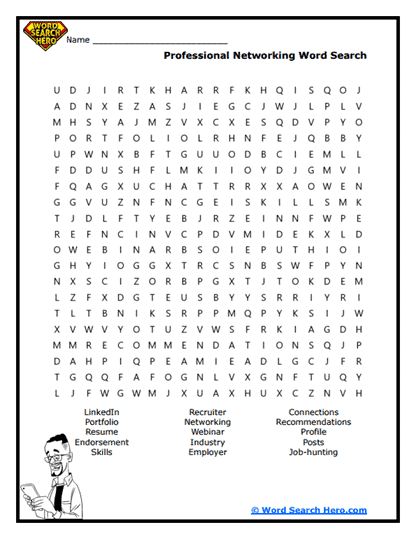
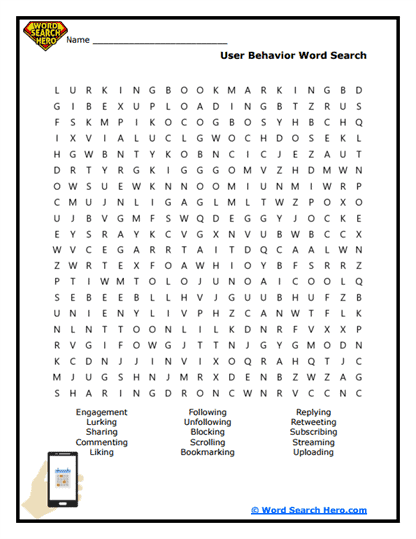
About Our Social Media Word Searches
Our Social Media Word Searches bring the fast-paced world of online communication into a fun and engaging puzzle format. These printable puzzles feature vocabulary connected to social platforms, digital sharing, messaging, and the many ways people connect online. Teachers, parents, and homeschool educators often enjoy using themed puzzles like these because they combine modern technology topics with valuable vocabulary and reading practice.
As participants search through the puzzle grid for hidden words, they strengthen important literacy skills such as spelling recognition, visual scanning, and pattern identification. Word searches require careful attention as learners scan rows, columns, and diagonals to locate each word. Even though the activity feels like a game, it quietly reinforces reading fluency, focus, and vocabulary development.
The social media theme is especially engaging because digital communication is part of everyday life for many learners. Words connected to posts, comments, messages, photos, and profiles often spark recognition and curiosity. This familiarity helps learners connect the vocabulary they discover with the online tools and platforms they already know.
Teachers sometimes use digital-themed puzzles to introduce discussions about technology, online communication, and responsible internet use. Parents and homeschool families also appreciate how easily the puzzles can be printed and used during independent learning time or quiet study moments.
By combining modern digital vocabulary with a classic puzzle format, social media word searches offer an entertaining way to explore how people communicate and share ideas in the digital age.
The Language of Online Communication
Social media has created a whole new set of vocabulary related to online interaction and digital sharing. From posting photos to sending messages, people use a variety of terms to describe how they connect and communicate on the internet.
Words such as profile, comment, share, hashtag, follower, and message often appear in social media-themed puzzles. As participants search for these words in the puzzle grid, they begin to recognize spelling patterns and understand the meaning behind the terms used in digital conversations. This repeated exposure helps reinforce vocabulary in an enjoyable way.
Teachers sometimes use technology vocabulary puzzles to support lessons about digital citizenship. Students can discuss how people communicate online, how to share information responsibly, and how to interact respectfully in digital spaces. These conversations help learners develop both vocabulary and awareness about online communication.
Another advantage of this theme is that it encourages discussion about how technology connects people around the world. Social media allows individuals to share photos, ideas, and stories across long distances. Exploring the vocabulary related to these tools helps learners better understand how digital platforms work.
By examining the language of social media through puzzles, learners gain insight into how modern communication continues to evolve.
Paul’s Pro-Tip
Social media-themed word searches are a great way to start conversations about technology. I like to tell students they’re “scrolling” through the puzzle looking for hidden posts.
After they finish, ask them which word reminds them most of how people communicate online. It’s a simple way to spark a quick discussion about sharing ideas, staying connected, and using technology responsibly.
Turning Social Media Puzzles Into Digital Awareness Activities
Social media word searches can easily expand into thoughtful classroom or homeschool discussions about how people communicate online. After participants complete the puzzle, teachers can invite them to choose one word they discovered and explain how it might be used on a digital platform.
For example, a student who finds the word comment might describe how people respond to posts online. Another learner who spots the word hashtag might explain how hashtags help organize topics and make posts easier to find. These discussions help reinforce vocabulary while encouraging digital awareness.
Another engaging extension is a positive post challenge. Students can imagine writing a friendly or encouraging message online using some of the words from the puzzle. This activity helps learners think about how to communicate kindly and responsibly on digital platforms.
Families can try a similar activity at home by discussing how social media can be used to share creativity, hobbies, and ideas. After completing the puzzle, children might talk about photos they would share or positive messages they would post online.
By linking puzzles with discussions about digital communication, educators and parents help learners understand the language of social media while encouraging thoughtful and responsible online behavior.
Frequently Asked Questions
How can teachers use social media word searches in the classroom?
Teachers often use these puzzles as warm-up activities, early finisher tasks, or discussion starters during technology lessons. The puzzles help introduce vocabulary related to online communication while providing a relaxing activity that strengthens reading and focus.
Are social media word searches helpful for homeschool learning?
Yes, they work very well in homeschool environments because they combine vocabulary practice with discussions about digital technology. Parents can print a puzzle and then talk with children about how people communicate online and how to use the internet responsibly.
Do word searches help students learn technology-related vocabulary?
Word searches reinforce vocabulary by repeatedly exposing learners to digital communication terms in a visual format. As participants scan the puzzle grid and recognize spelling patterns, they strengthen word recognition skills that support reading comprehension.
What age groups enjoy social media-themed word searches the most?
Older elementary and middle school students often find these puzzles especially engaging because the theme connects to technology they encounter in everyday life. However, adults and older learners can also enjoy them as relaxing brain challenges that reinforce vocabulary and concentration.
Can these puzzles encourage discussions about responsible internet use?
Absolutely. When learners discover words related to social media and digital sharing, it creates an opportunity to talk about respectful communication and online safety. These discussions help students better understand how to interact responsibly in digital spaces.