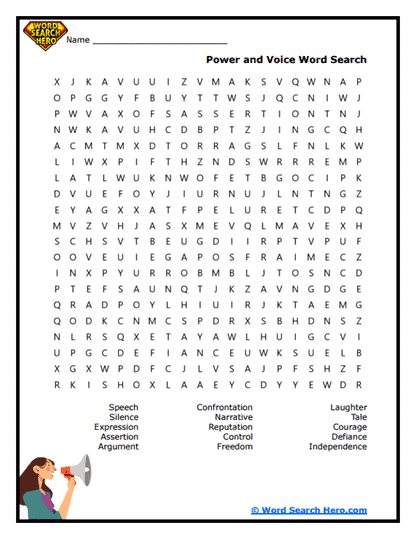
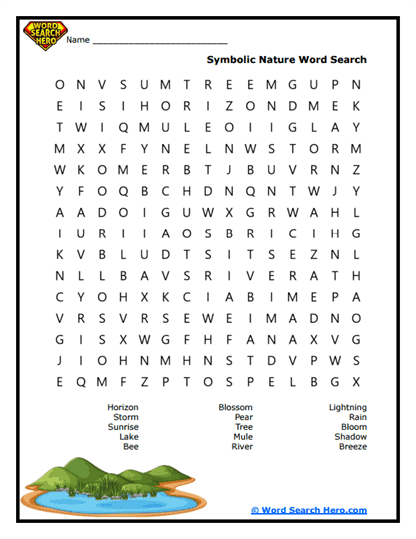
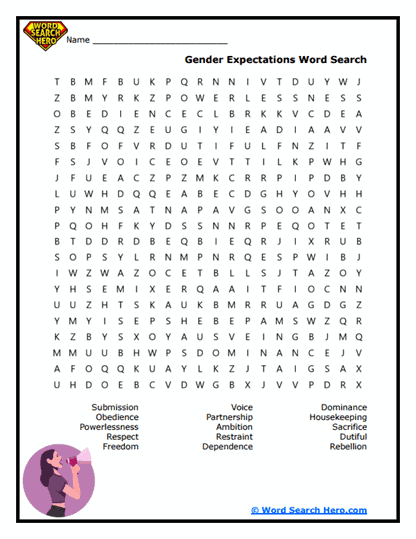
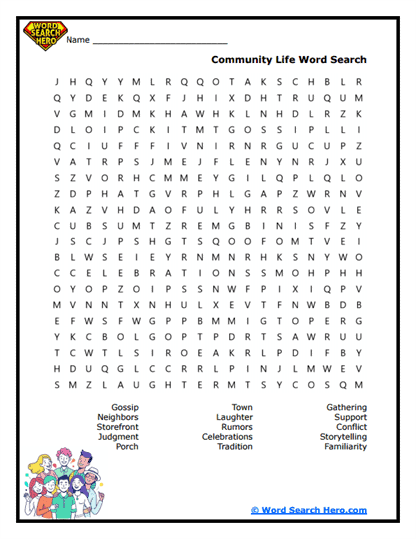
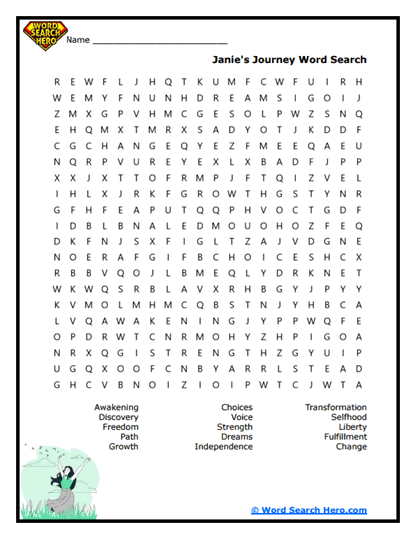
About Our Their Eyes Were Watching God by Zora Neale Hurston Word Searches
Their Eyes Were Watching God word searches provide an engaging way to explore Zora Neale Hurston’s celebrated novel while reinforcing its rich narrative, memorable characters, and enduring themes. These printable puzzles introduce students to important vocabulary connected to identity, freedom, love, community, resilience, nature, and self-discovery. As learners search for words, they gain a deeper appreciation for Janie Crawford’s remarkable journey and the experiences that shape her understanding of life, relationships, and herself.
The novel follows Janie Crawford as she reflects on her life through three marriages, personal hardships, and moments of profound joy. Rather than accepting the expectations others place upon her, Janie gradually learns to trust her own voice and pursue the life she truly desires. Along the way, Hurston explores themes of independence, love, personal growth, and the importance of remaining true to oneself.
These word searches strengthen vocabulary, reading comprehension, literary analysis, and critical thinking while encouraging students to reflect on universal questions about identity, courage, and purpose.
With puzzles covering freedom, relationships, community, symbolism, heritage, resilience, communication, and hope, this collection helps students build a richer appreciation for one of the most influential novels in American literature.
The Narrative and Its Enduring Message
Their Eyes Were Watching God tells the story of a woman determined to discover who she is beyond the expectations of others. Word searches throughout this collection introduce students to themes such as freedom, love, identity, courage, independence, community, resilience, voice, dreams, and transformation. Together, these ideas reveal how every stage of Janie’s life contributes to her personal growth.
At its heart, the novel explores the search for identity and fulfillment. Janie’s experiences teach her that happiness cannot be found simply by following society’s expectations or pleasing other people. Instead, she gradually learns that genuine fulfillment comes from understanding herself, making her own choices, and embracing both joy and hardship as part of life’s journey.
Hurston also uses nature as a powerful symbol throughout the novel. The pear tree, the horizon, and the changing weather reflect Janie’s emotions and dreams, reminding readers that growth often happens through change and perseverance. By the novel’s conclusion, Janie has gained confidence not because life became easy, but because she learned to define success on her own terms.
Encouraging students to consider questions such as, “How does Janie’s idea of love change throughout the novel?” or “What does the horizon symbolize?” helps them develop a deeper understanding of Hurston’s storytelling and literary themes.
Paul’s Pro-Tip

One of the most effective ways to use a Their Eyes Were Watching God word search is to create a “Janie’s journey map.” As students find words like freedom, voice, dreams, independence, and growth, have them place each word at the point in the novel where Janie learns its true meaning. Then ask them to explain how her understanding changes from the beginning to the end of the story. This helps students recognize that character development is gradual and shaped by experience.
Another valuable activity is the “symbol detective challenge.” After completing the puzzle, choose one symbolic word-such as horizon, pear tree, storm, or voice-and ask students to identify where it appears in the novel and what it represents. Rather than simply identifying symbols, students explain how Hurston uses them to reflect Janie’s emotions, hopes, and personal growth. This activity strengthens literary analysis while helping readers appreciate the novel’s rich symbolism.
From Story to Literary Understanding
Their Eyes Were Watching God word searches become even more meaningful when students connect the vocabulary to the novel’s larger themes. After completing a puzzle, students can choose one word and explain how it influences Janie’s decisions or development.
For example, students might explore how freedom changes as Janie matures, how voice represents her growing confidence, or how community both supports and challenges her throughout the story. Others may examine how love evolves from youthful dreams into a deeper understanding of companionship, respect, and mutual trust.
These activities naturally support literature, history, and social studies by encouraging discussions about African American culture, gender expectations, identity, symbolism, and the importance of personal independence.
By connecting vocabulary to character development and literary themes, students transform a simple word search into a deeper exploration of one of America’s greatest novels.
Frequently Asked Questions
Why is Their Eyes Were Watching God considered an American literary classic?
The novel is celebrated for its lyrical language, unforgettable characters, and exploration of identity, love, and independence. Zora Neale Hurston created a timeless story that continues to resonate with readers because its themes of personal growth and self-discovery remain universally meaningful. It is also recognized for its important contribution to African American literature.
What is the central message of Their Eyes Were Watching God?
The novel teaches that true fulfillment comes from discovering your own identity rather than allowing others to define your life. Janie’s journey shows that personal growth requires courage, resilience, and the willingness to follow your own dreams. The story encourages readers to seek authentic happiness and self-understanding.
Why is the horizon an important symbol in the novel?
The horizon represents possibility, hope, and the dreams Janie pursues throughout her life. As she grows and gains confidence, the meaning of the horizon evolves with her. It reminds readers that personal growth is an ongoing journey rather than a final destination.
How can I make Their Eyes Were Watching God word searches more interactive?
Have students connect each vocabulary word to a specific chapter, relationship, or turning point in Janie’s life. Another excellent activity is creating a symbol chart that explains how important images like the pear tree, the horizon, and the storm contribute to the novel’s meaning. These exercises reinforce vocabulary while strengthening literary analysis and critical thinking.
What literary themes should students pay close attention to while reading Their Eyes Were Watching God?
Students should focus on identity, freedom, love, independence, voice, resilience, community, equality, nature, symbolism, hope, and personal transformation. These themes shape Janie’s journey from beginning to end and help explain why the novel remains one of the most influential works in American literature.