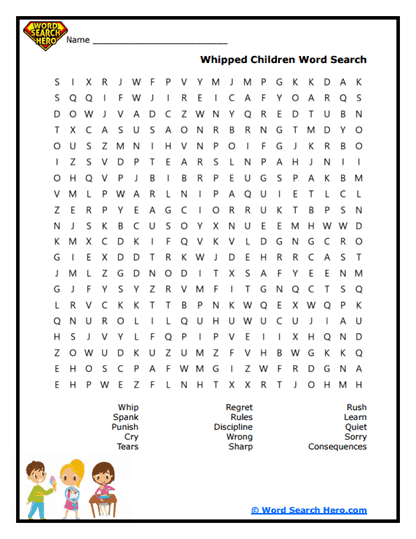
About Our There Was an Old Woman Who Lived in a Shoe Word Searches
Our There Was an Old Woman Who Lived in a Shoe Word Searches collection turns a classic nursery rhyme into a fun and engaging printable puzzle activity. Based on the well-known rhyme about a woman who lives in a shoe with many children, these puzzles help students strengthen vocabulary, spelling recognition, and reading confidence while interacting with a familiar piece of children’s literature.
Nursery rhymes are often some of the first stories children learn. Their rhythmic structure and simple storytelling make them easy to remember and enjoyable to recite. By transforming There Was an Old Woman Who Lived in a Shoe into a word search activity, students can explore vocabulary connected to the rhyme while practicing visual scanning and pattern recognition.
Teachers, parents, and homeschool educators often choose word searches because they combine entertainment with valuable literacy practice. As students search the puzzle grid for words such as shoe, woman, children, house, broth, whip, and bed, they reinforce spelling patterns and expand their vocabulary.
These puzzles are flexible enough for many learning environments. Teachers may use them as literacy center activities, morning warm-ups, or early-finisher tasks during nursery rhyme units. Homeschool families can include them in poetry studies or early reading lessons. At home, they make a quiet screen-free activity that still supports learning.
Word searches also help build patience and attention to detail. Students carefully examine rows, columns, and diagonals to find hidden words, strengthening the visual tracking skills that support reading development.
Because the rhyme is both unusual and memorable, students often stay curious and engaged while completing the puzzle. The activity transforms a classic nursery rhyme into an interactive literacy experience.
The Curious Story of the Woman in the Shoe
There Was an Old Woman Who Lived in a Shoe is one of the most imaginative nursery rhymes in traditional English folklore. The rhyme tells the story of a woman who lives inside a shoe and has so many children that she doesn’t know what to do.
The rhyme continues by describing how she gives the children broth without bread, whips them soundly, and sends them to bed. Although the rhyme is short, it paints a vivid picture of a crowded and unusual household.
The idea of living in a shoe captures children’s imagination because it is both silly and surprising. Students often enjoy picturing how such a house might look and how all the children might fit inside.
When students complete a word search based on the rhyme, they often encounter vocabulary connected to the story. Words like shoe, children, broth, bread, bed, and house remind students of the unusual setting and events described in the rhyme.
Teachers sometimes use this rhyme to spark creative thinking. Students might imagine what the inside of the giant shoe looks like or describe how they would design a shoe house with enough room for everyone.
By connecting puzzle vocabulary with the rhyme’s imaginative story, students strengthen both spelling skills and comprehension.
Paul’s Pro-Tip
After decades in the classroom, I’ve learned that the stranger a nursery rhyme is, the more kids love talking about it.
When we use an Old Woman in the Shoe puzzle, I ask students one funny question: “If you had to live inside a giant object, what would it be?”
The answers are incredible-giant pizza slices, spaceships, even enormous backpacks.
Then I challenge them to use one puzzle word while describing their idea. Suddenly we’ve got vocabulary practice, creativity, and storytelling happening all at once.
And let me tell you, the designs kids come up with for giant shoe houses are pretty impressive.
Why Nursery Rhyme Word Searches Support Early Literacy
Nursery rhymes play an important role in early literacy development because they introduce language through rhythm, repetition, and storytelling. There Was an Old Woman Who Lived in a Shoe provides memorable imagery that helps students connect vocabulary with a clear mental picture.
When students work on a word search inspired by the rhyme, they repeatedly encounter words connected to the story. Words like shoe, children, house, broth, and bed become easier to recognize through repeated exposure.
Word searches also strengthen visual scanning and pattern recognition. Students carefully search rows and columns of letters while locating hidden words that may appear forward, backward, or diagonally. These visual tracking skills are closely connected to the abilities used when reading sentences.
Another benefit is the sense of accomplishment students feel when they find each word. These small successes build confidence and motivate learners to keep solving the puzzle.
Teachers sometimes extend the activity by asking students to match puzzle words with events from the rhyme or create drawings of what the shoe house might look like.
Because the rhyme itself is imaginative and unusual, students approach the puzzle with curiosity and enthusiasm. The activity allows them to revisit a classic nursery rhyme while strengthening important literacy skills.
Frequently Asked Questions
What words appear in There Was an Old Woman Who Lived in a Shoe word searches?
Common words include shoe, woman, children, house, broth, bread, whip, and bed-vocabulary connected to the nursery rhyme.
Are these puzzles helpful when teaching the nursery rhyme?
Yes. Teachers often use them as follow-up activities after reading or reciting the rhyme to reinforce vocabulary and story elements.
Are these word searches suitable for younger learners?
Absolutely. The rhyme is simple and memorable, making these puzzles ideal for preschool and early elementary students.
Do the puzzles include objects from the rhyme?
Yes. Many puzzles include words related to the shoe house, the children, and the events described in the rhyme.
When is the best time to use these puzzles?
They work well after reading the rhyme, during literacy centers, or as a fun independent activity in a nursery rhyme lesson.