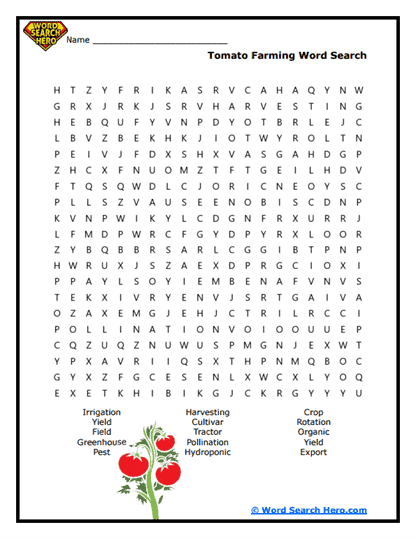
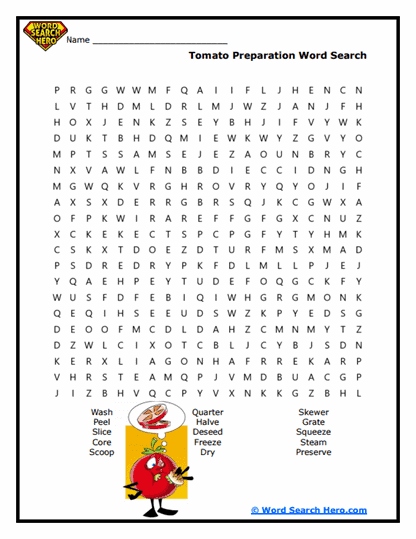
About Our Tomato Word Searches
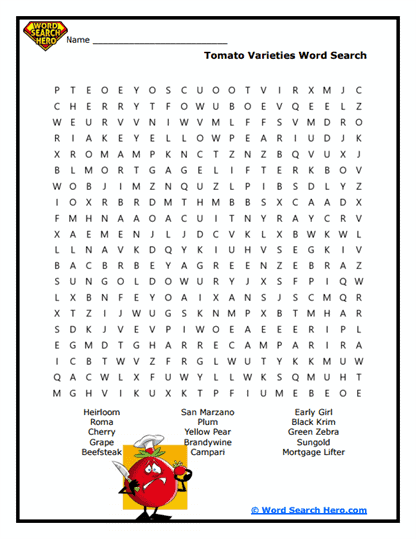
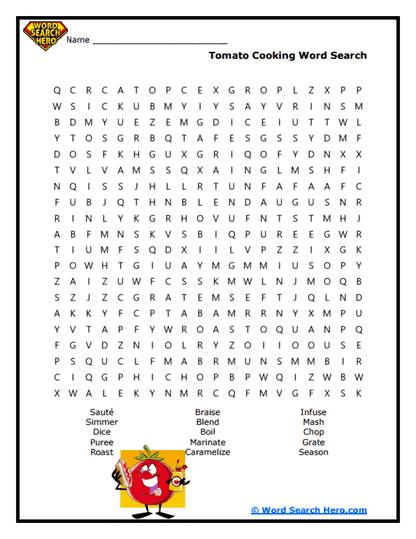
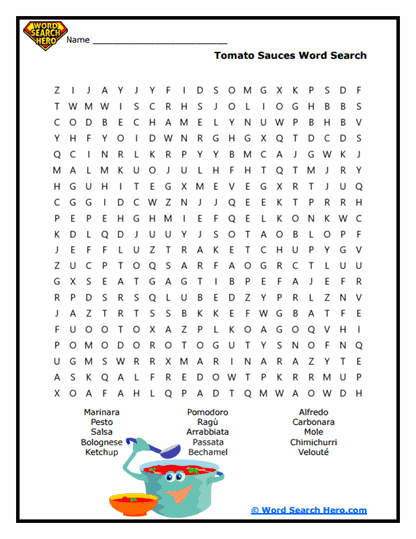
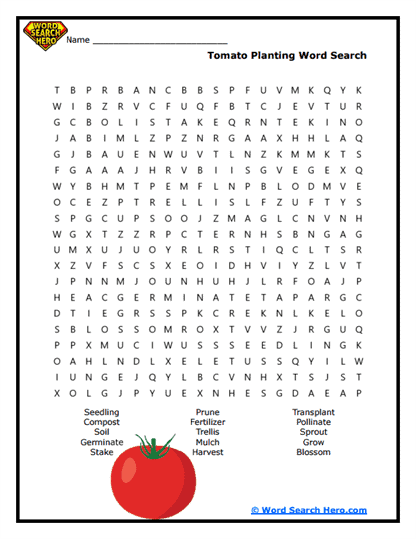
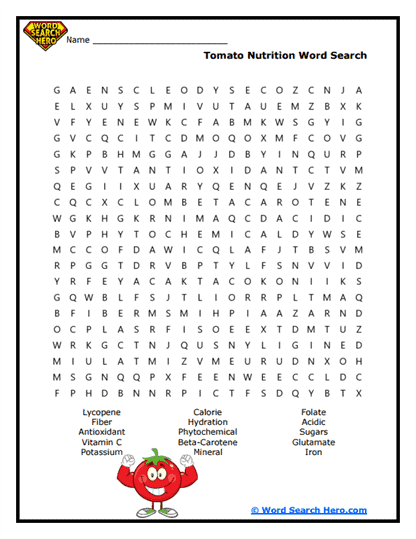
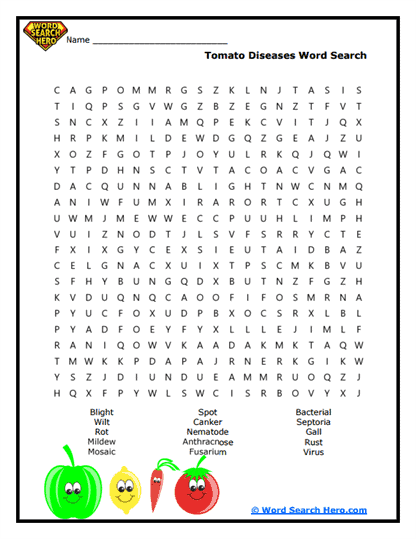
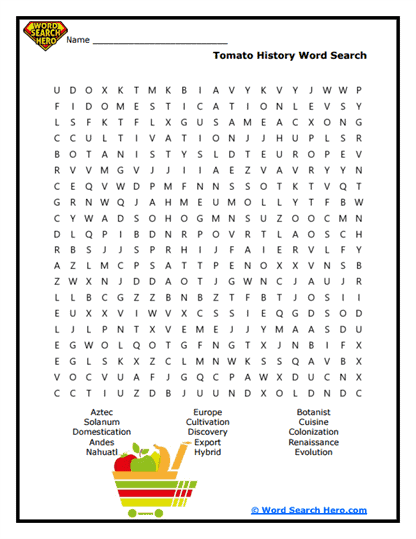
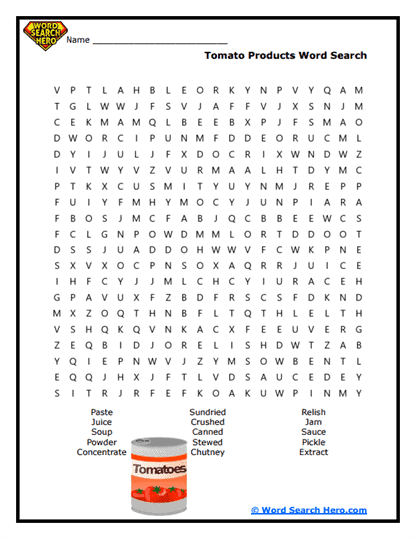
Tomatoes are bright, versatile, and used in countless dishes, making them a perfect theme for engaging word search puzzles. Our Tomato Word Searches collection highlights everything from the fruit itself to foods, recipes, and garden-related vocabulary. With words like vine, sauce, slice, and juicy, these puzzles feel fresh, familiar, and easy to enjoy.
Because tomatoes appear in so many everyday meals-like salads, sandwiches, pasta, and pizza-this theme connects naturally to real life. Younger learners can quickly recognize simple words like “red” or “tomato,” while older students can explore more detailed terms like “roma,” “cherry,” or “marinara.” This balance makes the puzzles accessible and engaging across age groups.
These printables are perfect for classrooms, homeschool lessons, and at-home activities. They fit well into units on plants, healthy eating, and cooking. Whether used as a warm-up or a relaxing brain break, tomato word searches offer a fun and meaningful learning experience.
From Garden to Plate Learning
Tomato word searches help learners build essential literacy skills while connecting to real-world topics. As they search for words, they practice spelling, visual scanning, and attention to detail. The familiar subject helps learners stay engaged and confident.
This theme also supports cross-curricular learning. In science, students can explore how tomatoes grow, the parts of the plant, and whether tomatoes are considered fruits or vegetables. In health lessons, tomatoes can lead to discussions about nutrients and balanced meals. In cooking or cultural lessons, learners can explore how tomatoes are used in dishes around the world.
In group settings, tomato puzzles can spark lively conversations. Learners might talk about their favorite foods with tomatoes, how they like them prepared, or whether they prefer them raw or cooked. These discussions help build communication skills while keeping the activity interactive.
Paul’s Pro-Tip

Turn your tomato word search into a “recipe creator.” After completing the puzzle, have learners choose a few tomato-related words and come up with a simple dish-like a salad, sandwich, or pasta sauce.
If someone gets stuck, suggest starting with bold, easy-to-find words like “tomato,” “red,” or “sauce.” These quick wins help build confidence and momentum.
A Juicy Way to Spark Conversation
Tomato-themed puzzles are great for starting simple, engaging conversations. Because tomatoes are used in so many foods, learners usually have something to share. You can ask questions like: Do you like tomatoes raw or cooked? What foods do you eat that have tomatoes? Have you ever tried growing them?
These discussions help build descriptive vocabulary using words like juicy, tangy, fresh, or soft. They also encourage learners to think about how one ingredient can be used in many different ways.
At home, these puzzles can easily connect to real-life activities. Families might cook a tomato-based recipe, try different types of tomatoes, or even grow a small plant. These small extensions make learning more interactive and memorable.
Frequently Asked Questions
What words are typically included in tomato word search puzzles?
Tomato word searches usually include terms related to the fruit (tomato, vine, seed, red), varieties (cherry, roma, beefsteak), and foods (sauce, salsa, ketchup, salad). Some puzzles may also include cooking terms like slice, dice, or cook.
Are tomato word searches good for younger learners?
Yes, they are very accessible for younger learners. Many of the words are short and familiar, which helps children feel confident and successful as they complete the puzzle.
How do tomato word searches connect to science lessons?
They are a great fit for plant-based learning. Students can explore how tomatoes grow, the parts of the plant, and the interesting fact that tomatoes are technically a fruit. This makes the puzzle a fun entry point into science topics.
How are tomato word searches different from general vegetable puzzles?
Tomato word searches focus on one specific food, allowing for deeper exploration of related vocabulary, including varieties, uses, and plant-related terms.
Can tomato word searches be used in classroom lessons?
Absolutely. They work well in science, nutrition, and cooking units, as well as simple literacy practice. They are also great as low-prep classroom activities.
Why do kids enjoy tomato-themed word searches?
Kids enjoy them because tomatoes are familiar and used in many favorite foods like pizza and pasta. This makes the vocabulary easy to recognize and fun to explore.
Can I turn a tomato word search into a hands-on activity?
Yes. After completing the puzzle, learners can make a simple recipe, taste different tomato varieties, or even plant seeds. These extensions make the activity more interactive.
How can tomato word searches support vocabulary development?
They introduce both simple and more detailed food and plant-related vocabulary in a meaningful context. Because learners can connect the words to real-life experiences, they are more likely to remember and use them.