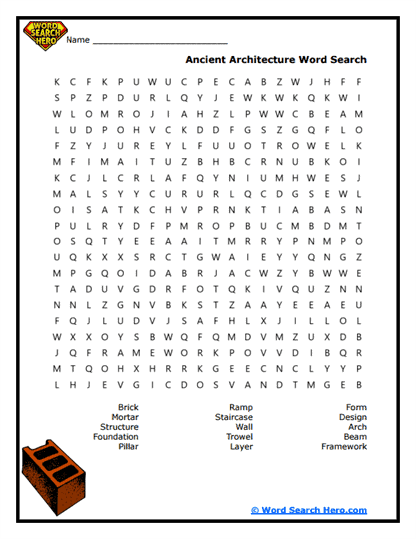
About Our Tower of Babel Word Searches
Tower of Babel word searches provide an engaging way to explore a unique story while focusing on the people and positions involved. These printable puzzles introduce learners to key elements such as builders, leaders, language, and the city, along with figures like the people working together and God as the one overseeing the situation. By emphasizing both the individuals and their roles, students gain a clearer understanding of how position and responsibility shape what happens.
As students search for words, they begin to connect the people with their shared role as builders working toward a common goal. Leaders within the group likely helped organize and guide the effort, while God’s position represents authority over the outcome. These roles help learners move beyond simple recognition and toward understanding how cooperation, leadership, and decisions all interact.
These puzzles also support important academic skills such as vocabulary development, spelling, and concentration. They can be used in classrooms, Sunday school, or homeschool settings as warm-ups, review tools, or discussion starters.
With a range of difficulty levels, Tower of Babel word searches are accessible for different learners. They provide a meaningful way to explore the story while focusing on the people and positions that influence its message.
Builders, Leaders, and Authority
The story of the Tower of Babel becomes much clearer when students focus on the roles each group or person held. Word searches centered on this topic often include terms like builders, leaders, workers, and language. Each of these roles carries responsibility and helps explain how the story unfolds.
The builders represent a large group of people working together toward a shared goal. Their position involves cooperation, planning, and effort. Leaders likely played a role in organizing the work and directing the project. At the same time, God’s position represents authority over what is happening, ultimately influencing the direction of the outcome.
Encouraging students to examine these roles helps deepen understanding. They can ask questions like, “What responsibility did the builders have?” and “How did leadership affect the project?” This type of thinking builds stronger comprehension and encourages reflection.
By focusing on roles and positions, students begin to see the story as more than just a construction project-it becomes a lesson about cooperation, leadership, and authority.
Paul’s Pro-Tip

One of the most effective ways to use a Tower of Babel word search is to turn it into a “team role breakdown.” As students find words like “builders,” “leaders,” or “workers,” have them assign specific responsibilities to each role within the project. Who planned the tower? Who gathered materials? Who directed the work? This helps students visualize how a large group project actually functions and makes the story feel more real.
Another strategy I’ve used for years is the “communication challenge.” After completing the puzzle, divide students into small groups and give them a simple task-but limit how they can communicate (for example, no speaking, only gestures). Then connect it back to the story by asking how communication affects teamwork and leadership. This activity makes the concept of language and roles incredibly clear and memorable. It helps students understand how important communication is when people share responsibilities.
Understanding Roles Through Cooperation and Change
Tower of Babel word searches can lead to deeper learning when students focus on how each role contributed to the project and its outcome. After completing a puzzle, students can choose a role-such as builder or leader-and describe what that position required. This helps connect vocabulary to understanding.
For example, a student might explore what it meant to be a builder working on a large structure or what responsibilities came with organizing a group. Another might reflect on how leadership influenced the progress of the tower. These reflections help students understand how roles depend on cooperation and clear communication.
This approach also supports cross-curricular learning. It can connect with reading comprehension by revisiting the story or with writing by asking students to describe how different roles worked together. Group discussions can deepen understanding by comparing responsibilities and challenges.
By focusing on people and positions, students gain a clearer picture of the story. It transforms a simple puzzle into a meaningful exploration of teamwork, communication, and how roles affect outcomes.
Frequently Asked Questions
What roles are included in Tower of Babel word searches?
These puzzles often include roles such as builders, workers, and leaders, along with references to the people as a group. Each of these roles represents a part of the larger effort to build the tower. Understanding these positions helps students see how the project was organized. It also highlights how teamwork played a major role.
Why is the role of builders important in this story?
The builders are central because they are responsible for carrying out the construction of the tower. Their role involves cooperation, effort, and shared goals. Understanding this helps students see how large tasks require many people working together. It also makes the story more relatable.
How does communication play a role in Tower of Babel word searches?
Communication is a key part of the story because it directly affects how people work together. Including language-related words helps students understand its importance. When communication changes, it impacts every role involved. This shows how essential clear communication is in teamwork.
How can I make Tower of Babel word searches more interactive?
You can have students assign specific tasks to each role and explain how they work together. Another effective activity is to simulate communication challenges to show how teamwork is affected. These approaches deepen understanding and encourage participation. They also make the lesson more memorable.
What can students learn by focusing on roles in this story?
Students can learn how teamwork, leadership, and communication are connected. By examining each role, they see how responsibilities are shared and how outcomes are affected. This creates a clearer understanding of the story’s message. It also encourages reflection on working together effectively.