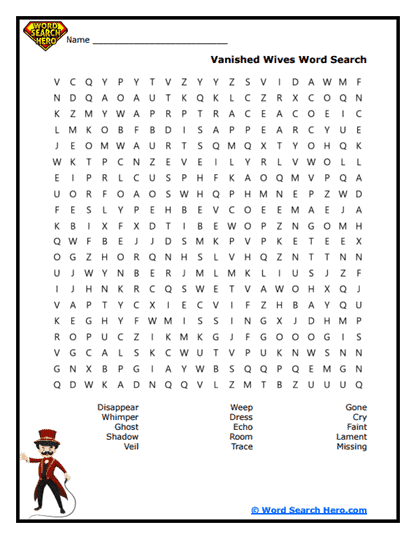
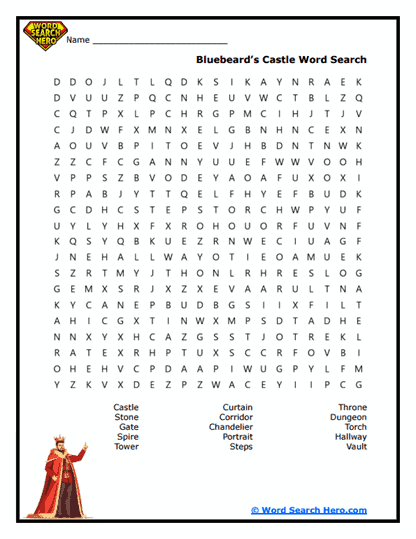
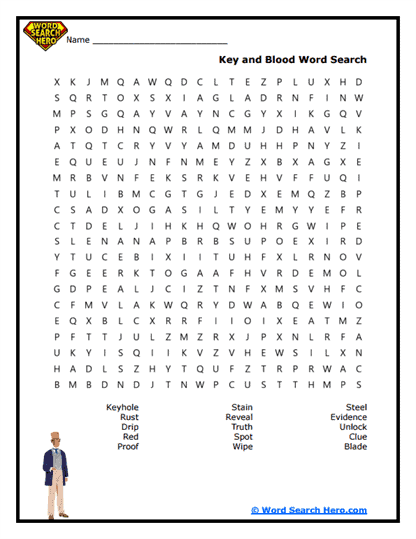
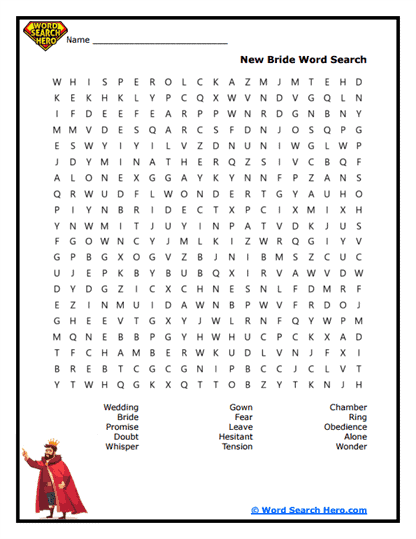
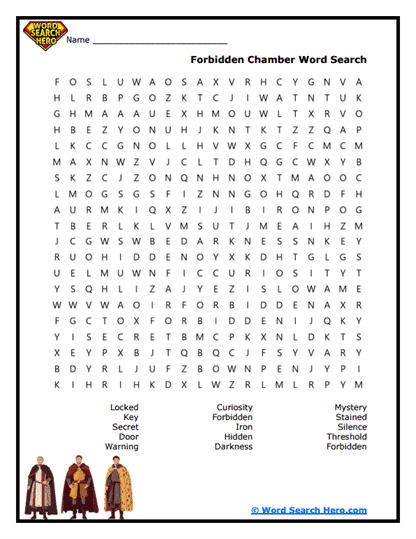
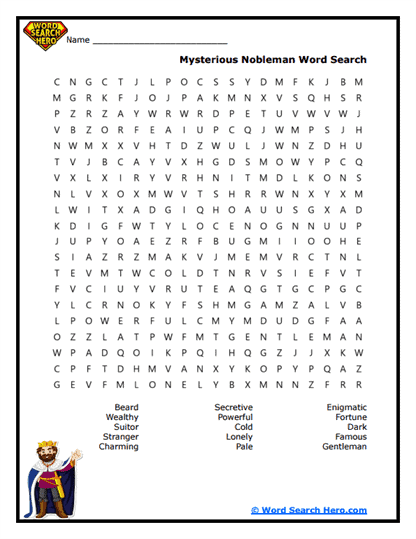
About Our Bluebeard Word Searches
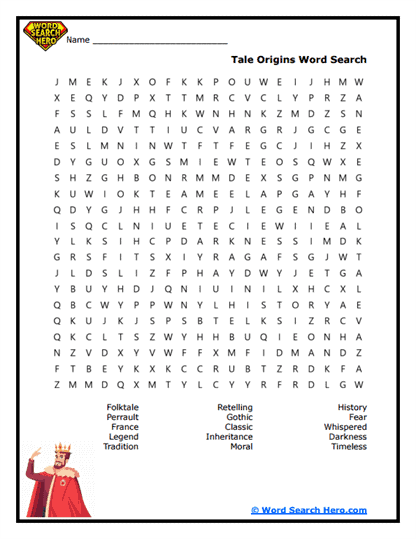
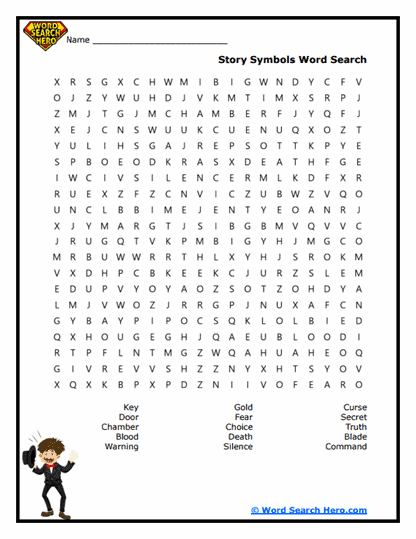
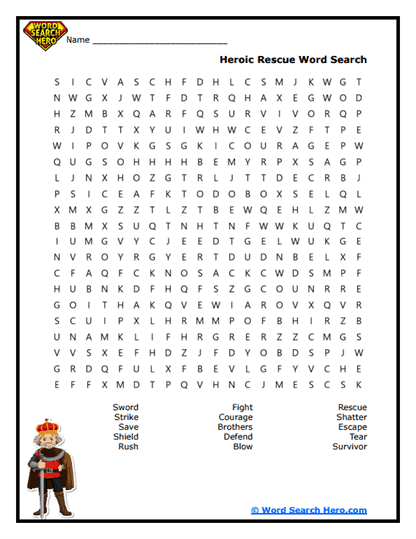
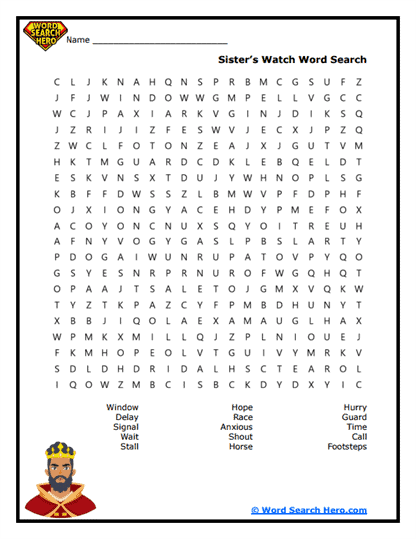
This collection offers a fascinating and slightly darker journey into one of the most well-known cautionary fairy tales. These printable puzzles introduce learners to key terms such as castle, key, chamber, secret, curiosity, and warning, all tied to the narrative of Bluebeard and his mysterious past. As users search for words, they engage with the story’s themes of trust, danger, and consequence.
The tale of Bluebeard centers on a wealthy man who forbids his new wife from entering a specific room in his castle. Despite the warning, curiosity leads her to uncover a horrifying secret-revealing the fate of Bluebeard’s previous wives. This narrative highlights how a single decision can change everything, making it a powerful example of a cautionary tale.
These word searches help learners connect vocabulary to storytelling, reinforcing comprehension while encouraging deeper reflection. They are ideal for classrooms, literature studies, or at-home enrichment activities.
With varying difficulty levels, Fairy tale literacy activities provide an engaging way to explore this classic story while focusing on its narrative structure and moral lessons.
The Narrative and Its Cautionary Message
The story of Bluebeard becomes much clearer when students focus on its key narrative elements-characters, conflict, and consequence. Word searches centered on this topic often include terms like wife, key, forbidden room, secret, and discovery. Each of these represents a critical part of the story’s progression.
At its core, Bluebeard is a cautionary tale about curiosity and trust. The wife is given a clear warning, and the tension builds around whether she will obey or disobey. When she chooses to enter the forbidden room, the story reaches its turning point, revealing the danger behind ignoring warnings. The consequences that follow reinforce the seriousness of her decision.
Encouraging students to think about these elements helps deepen understanding. They can ask questions like, “Why was the room forbidden?” and “What does the key symbolize?” This kind of thinking builds stronger comprehension of both narrative structure and moral meaning.
By focusing on the story’s message, students begin to see Bluebeard not just as a tale, but as a lesson about choices, consequences, and caution.
Paul’s Pro-Tip
 One of the most effective ways to use a Bluebeard word search is to turn it into a “cause-and-consequence chain.” As students find words like “key,” “door,” “secret,” and “warning,” have them map out how each element leads to the next in the story. For example, the key represents permission and trust, but it also becomes the tool that reveals the truth. By linking each word to a cause and its consequence, students begin to see how the entire story is built on a chain of decisions rather than random events.
Another powerful strategy is the “symbol meaning deep-dive.” After completing the puzzle, ask students to focus on one object-like the key or the forbidden room-and explore what it represents beyond the story. Does the key symbolize trust, temptation, or responsibility? Is the room a symbol of hidden truth or danger? This approach helps students move beyond surface-level understanding and into deeper interpretation. It also reinforces how fairy tales often use simple objects to communicate complex moral lessons.
From Story to Moral Reflection
These word searches can lead to deeper learning when students focus on how the narrative connects to its moral message. After completing a puzzle, students can choose one element-such as the key or the forbidden room-and explain its role in the story. This helps connect vocabulary to meaning.
For example, a student might explore how curiosity drives the story forward or how warnings are meant to protect characters. Another might examine how trust is tested and what happens when it is broken. These reflections help students understand how actions lead to consequences.
This approach also supports cross-curricular learning. It can connect with writing by asking students to retell the story from a different perspective or with critical thinking by analyzing character decisions. Group discussions can deepen understanding by comparing interpretations.
By focusing on narrative and moral, students gain a clearer picture of Bluebeard. It transforms a simple puzzle into a meaningful exploration of caution, consequence, and storytelling.
Frequently Asked Questions
What is the main moral of the Bluebeard story?
The main moral often centers on the dangers of unchecked curiosity and the importance of heeding warnings. The story shows how ignoring clear boundaries can lead to serious consequences. It also explores themes of trust and hidden danger. This makes it a classic cautionary tale.
Why is the forbidden room so important in Bluebeard?
The forbidden room is the central symbol of the story’s mystery and danger. It represents the unknown and the consequences of disobedience. When the wife enters it, the true nature of Bluebeard is revealed. This moment drives the story’s turning point.
What does the key symbolize in the story?
The key often symbolizes trust, responsibility, and temptation. It is given freely but comes with a condition that is ultimately broken. Its role in revealing the secret adds to its importance. This makes it one of the most meaningful objects in the tale.
How can I make these word finds more meaningful for students?
You can have students connect each word to a part of the story and explain its significance. Another effective activity is mapping out the cause-and-effect chain of events. These strategies deepen understanding and engagement. They also connect the puzzle to the story’s moral lesson.
Why is Bluebeard considered a cautionary tale?
Bluebeard is considered a cautionary tale because it warns about the consequences of certain behaviors, especially curiosity and disobedience. The story presents a clear warning and follows through with serious outcomes. This structure reinforces its lesson. It helps readers reflect on their own choices.