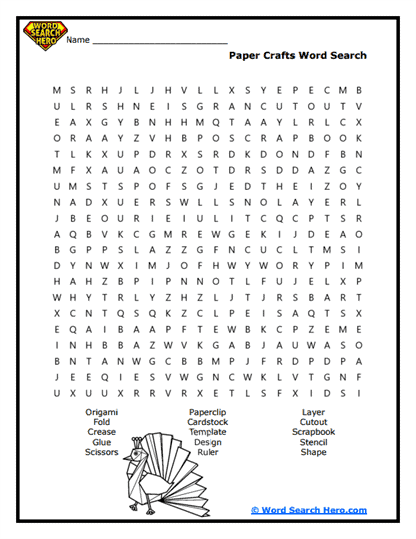
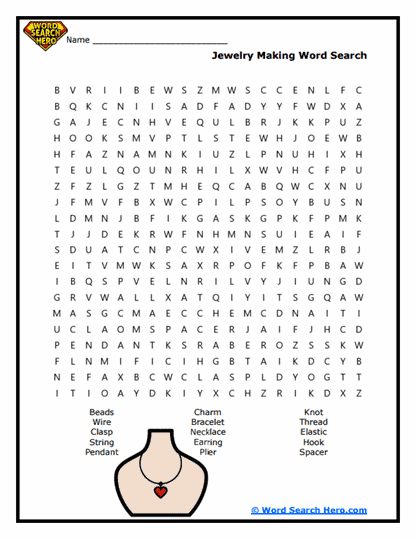
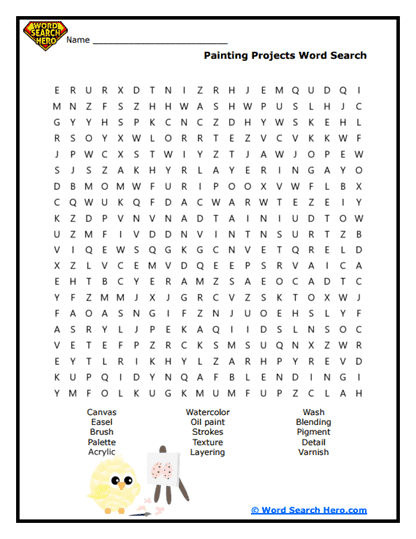
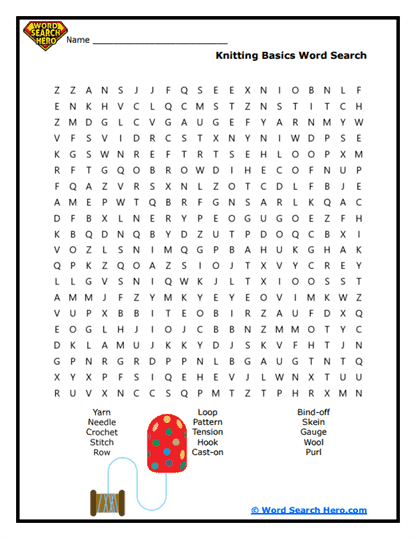
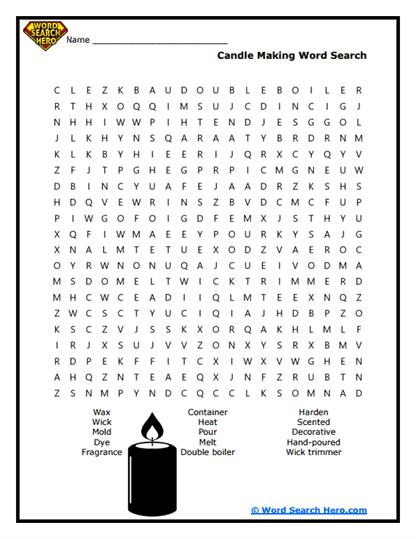
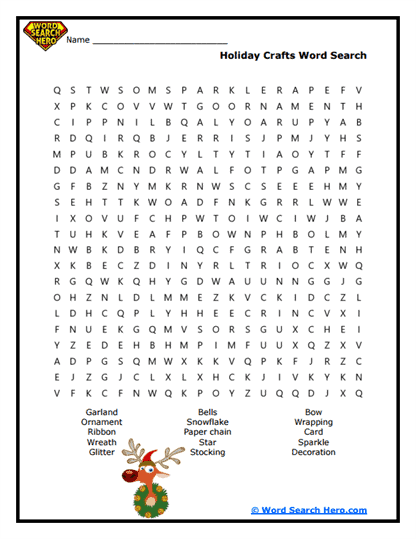
About Our Doing Crafts Word Searches
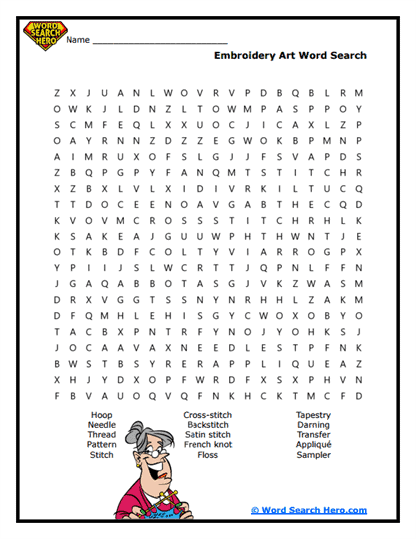
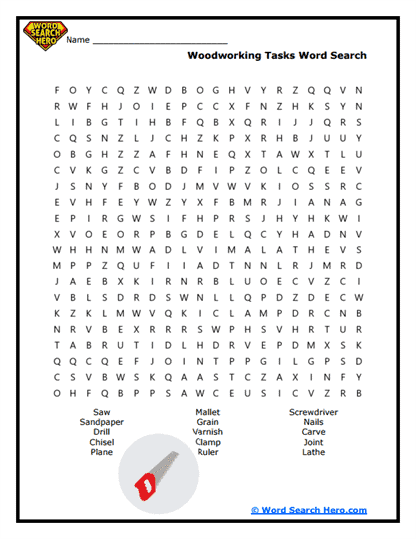
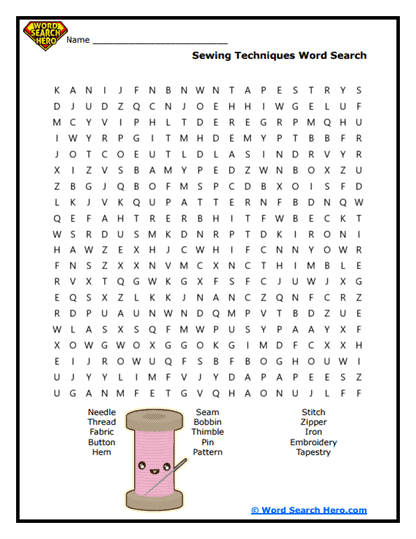
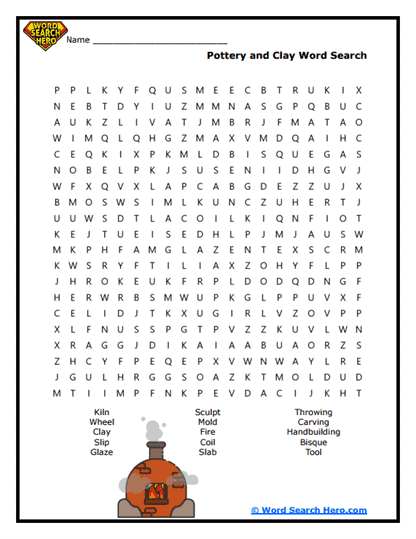
Our Doing Crafts Word Searches bring creativity and hands-on inspiration into a fun puzzle format that learners of all ages can enjoy. These printable word searches highlight vocabulary connected to crafting activities such as painting, sewing, knitting, scrapbooking, and other creative projects. Teachers, parents, and homeschool educators often appreciate themed puzzles like these because they combine relaxing gameplay with meaningful vocabulary practice.
As participants search for hidden words in the puzzle grid, they practice important literacy skills such as spelling recognition, visual tracking, and pattern identification. Word searches require learners to scan rows, columns, and diagonals carefully, helping improve concentration and attention to detail. Even though the activity feels playful, it quietly supports reading development and strengthens word recognition skills.
The crafting theme is especially engaging because it connects to activities many people already enjoy. Words related to glue, scissors, paint, yarn, and paper often spark memories of favorite creative projects. This familiarity makes the puzzle more enjoyable while reinforcing everyday vocabulary.
Teachers frequently use craft-themed puzzles as classroom warm-ups, early finisher activities, or quiet breaks between lessons. The topic can also connect nicely to art units or creative learning time. Parents and homeschool families enjoy how easy the puzzles are to print and use during independent study time or relaxed afternoons at home.
By combining creativity with language learning, craft-themed word searches offer a balanced activity that encourages imagination while strengthening literacy skills. Learners enjoy the challenge of the puzzle while thinking about the many ways people express themselves through crafting.
The Creativity Behind Crafting Activities
Crafting is one of the most popular ways people express creativity and develop practical skills. From simple paper crafts to detailed handmade projects, crafting allows individuals to explore imagination while creating something unique. When crafting vocabulary appears in a word search puzzle, learners gain exposure to a wide range of creative activities.
Words such as paint, glue, fabric, thread, beads, and scissors are commonly associated with craft projects. As students search for these words in a puzzle grid, they begin to recognize spelling patterns and develop stronger word recognition skills. This repeated exposure helps reinforce vocabulary in a natural and engaging way.
Teachers often connect crafting themes with lessons about creativity and problem-solving. Many craft projects require planning, patience, and attention to detail. These same skills are also useful when completing word searches, making the puzzle a natural extension of creative learning.
Another advantage of this theme is how easily it encourages conversation. After finishing the puzzle, students often enjoy sharing their favorite crafts or describing projects they have created. Some may talk about drawing, building models, or making decorations with their families.
Craft-themed puzzles remind learners that creativity can take many forms. By exploring crafting vocabulary through puzzles, students build language skills while celebrating imagination and artistic expression.
Paul’s Pro-Tip
Craft-themed word searches are perfect for those calm moments before an art project begins. I like to give students the puzzle first and challenge them to find at least three craft supplies before we start creating.
It gets them thinking about the tools they’ll use, and it builds a little excitement for the project ahead. Plus, if someone finds the word “glitter,” you can almost guarantee the room fills with laughter.
Turning Craft Puzzles Into Creative Projects
Craft-themed puzzles can easily grow into creative classroom or homeschool activities. After students complete the word search, teachers can invite them to choose one craft-related word from the puzzle and design a project around it.
For example, a student who finds the word paper might create a folded paper craft or simple origami project. Another student who spots paint might design a colorful picture using watercolor or acrylic paints. These small extensions allow learners to connect vocabulary with hands-on creativity.
Another fun activity is a craft supply brainstorming challenge. Students review the words they found in the puzzle and discuss which tools and materials would be needed to complete different craft projects. This encourages planning and creative thinking while reinforcing vocabulary.
Families can try similar activities at home by turning puzzle time into a craft afternoon. After finishing the puzzle, children can choose one word and create something inspired by it. A word like beads might lead to bracelet-making, while paper could inspire greeting cards or decorations.
By connecting puzzles with real creative activities, educators and parents transform a simple word search into an inspiring learning experience. The puzzle becomes the starting point for imagination, creativity, and hands-on exploration.
Frequently Asked Questions
How can teachers use craft-themed word searches in the classroom?
Teachers often use these puzzles as warm-up activities, early finisher tasks, or quiet transitions before art lessons. Because the theme connects to creative projects, the puzzles can help introduce vocabulary related to crafting materials and tools.
Are craft word searches helpful for homeschool learning?
Yes, they work very well in homeschool settings because they combine vocabulary practice with hands-on creativity. Parents can print a puzzle for independent learning and then follow it with a craft activity inspired by the words in the puzzle.
Do word searches help students learn crafting vocabulary?
Word searches reinforce vocabulary by exposing learners to craft-related terms in a visual and engaging format. As students scan the puzzle grid and recognize spelling patterns, they strengthen word recognition skills that support reading development.
What age groups enjoy craft-themed word searches the most?
Elementary and middle school students often enjoy these puzzles because they connect to art projects and creative activities. However, older students and adults can also enjoy them as relaxing brain challenges that strengthen concentration.
Can these puzzles inspire creativity?
Absolutely. When learners discover words related to crafting tools and materials, it often sparks ideas for new creative projects. The puzzle becomes a starting point for imagination, artistic expression, and hands-on learning.