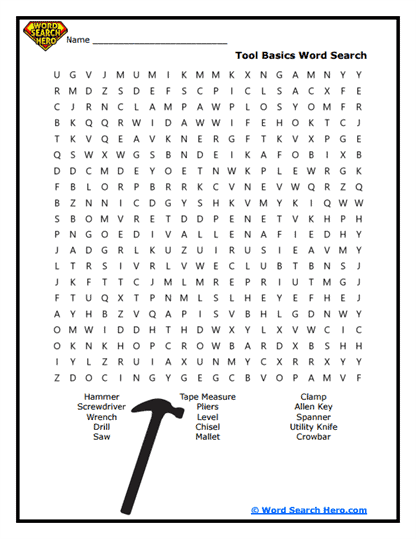
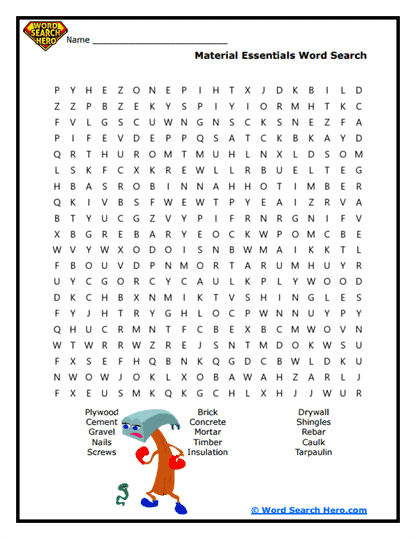
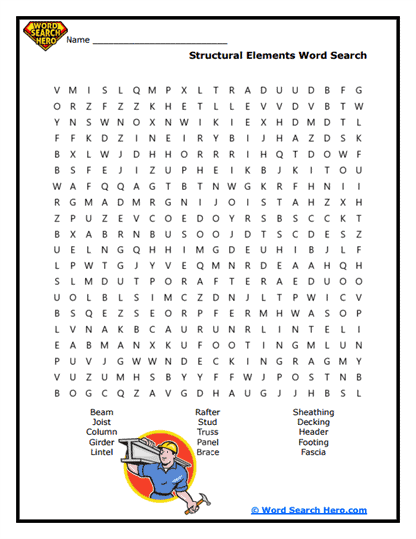
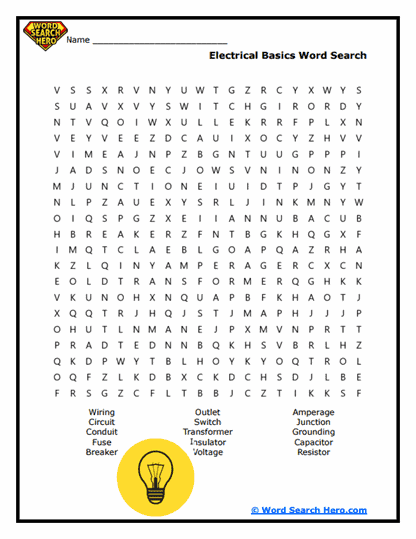
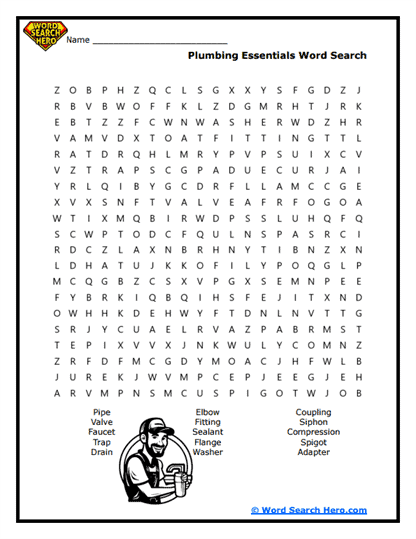
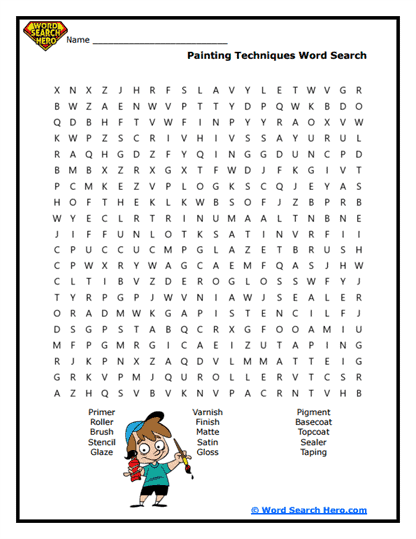
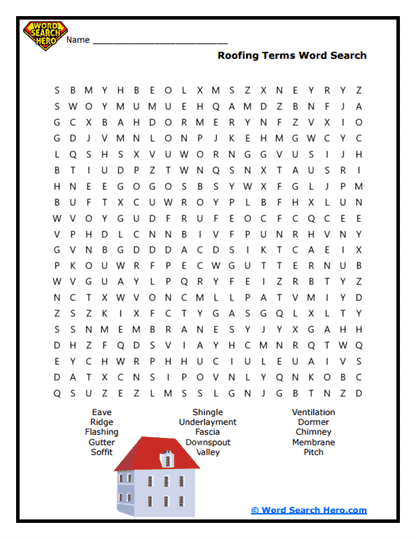
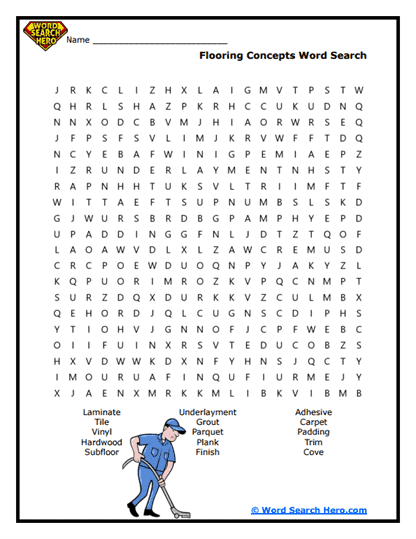
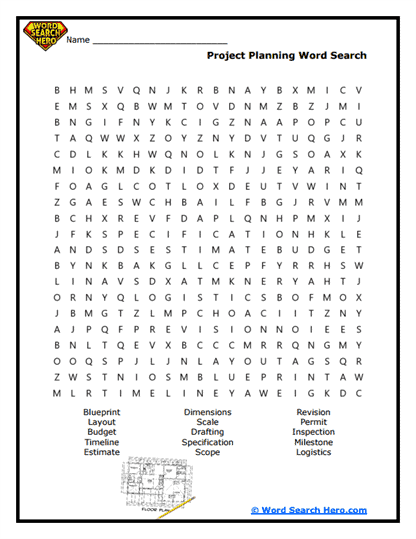
About Our DIY Projects Word Searches
DIY Projects word searches introduce students to vocabulary connected with building, crafting, and creating things on their own. DIY stands for “do it yourself,” which refers to projects people complete using their own skills and materials instead of buying finished items. These printable puzzles help learners become familiar with words related to tools, materials, and creative building activities.
Students exploring this theme may encounter words such as build, craft, paint, glue, hammer, measure, and design. These words frequently appear in craft projects, home improvement tasks, and creative maker activities. A word search provides a fun way to reinforce this vocabulary while strengthening spelling recognition, reading confidence, and observation skills.
Because the activity feels like a puzzle rather than a traditional worksheet, it can make vocabulary practice more engaging. Teachers often use these printables during maker-space activities, craft lessons, learning centers, or early finisher time. Parents and homeschool educators can also include them in lessons as a screen-free activity that connects literacy with hands-on creativity.
As students search the puzzle grid for hidden words, they strengthen concentration, visual scanning abilities, and pattern recognition. These skills support literacy development while keeping the activity interactive and enjoyable.
Understanding DIY Projects
DIY projects encourage people to create or repair things using their own ideas and effort. These projects can include crafts, woodworking, decorations, simple repairs, and creative building activities.
For students, DIY projects often involve materials such as paper, cardboard, glue, paint, tape, or recycled items. Children may build models, create art pieces, or design simple structures.
DIY activities help students develop problem-solving skills. They learn how to plan projects, follow steps, and make adjustments when something does not work as expected.
These projects also support creativity and independence. Students can experiment with different materials and techniques while bringing their ideas to life.
Learning vocabulary related to DIY projects helps students understand instructions, describe tools and materials, and explain how they created something.
Word searches reinforce this learning by giving students repeated exposure to words connected with building, crafting, and making.
Paul’s Pro-Tip
A great extension activity is a mini maker challenge. After students complete the word search, provide simple materials such as paper, tape, cardboard, or craft sticks.
Challenge students to design and build something useful or creative using the materials. Encourage them to label the tools or materials they used with vocabulary words from the puzzle.
This activity helps students connect vocabulary with hands-on problem-solving while encouraging creativity and innovation.
Encouraging Creativity Through Making
DIY activities allow students to experiment with ideas and turn imagination into real creations. Making something with their hands can build confidence and help students see the results of their effort.
Vocabulary related to crafting and building appears frequently in art lessons, maker programs, and creative projects. When students become familiar with these words, they can better follow instructions and explain how their projects work.
A word search can serve as a calm activity before or after a hands-on project. After completing the puzzle, educators can encourage students to discuss the types of things they enjoy building or creating.
When students become familiar with vocabulary related to DIY projects, they strengthen both their language skills and their creative problem-solving abilities.
Frequently Asked Questions
What are DIY Projects word searches?
They are puzzles that feature vocabulary related to crafting, building, and making things by hand.
Why are DIY activities beneficial for students?
DIY projects encourage creativity, problem-solving, and hands-on learning.
What kinds of words might appear in these puzzles?
Examples include build, craft, glue, paint, hammer, measure, and design.
Are these puzzles appropriate for classroom maker activities?
Yes. They work well alongside craft projects, building challenges, or maker-space lessons.
What classroom activity pairs well with this puzzle?
Students can participate in a mini maker challenge where they design and build a small project using simple craft materials.