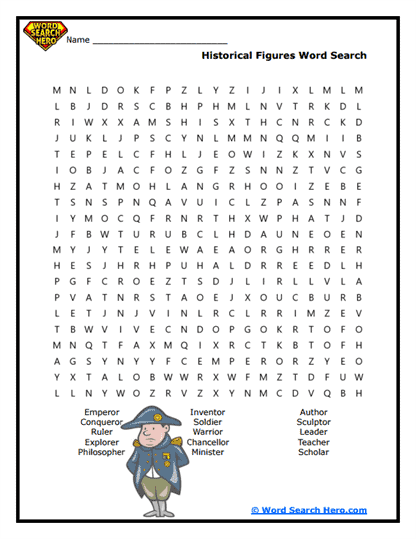
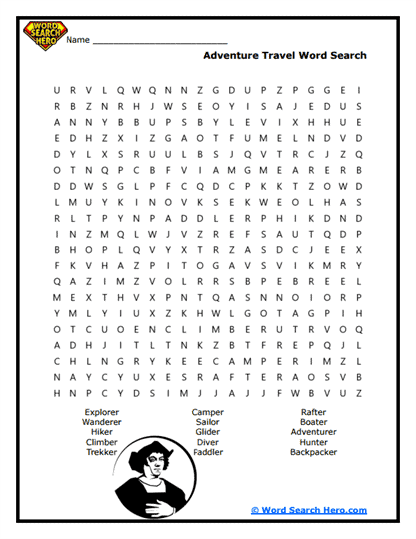
About Our Ends With Letter R Word Searches
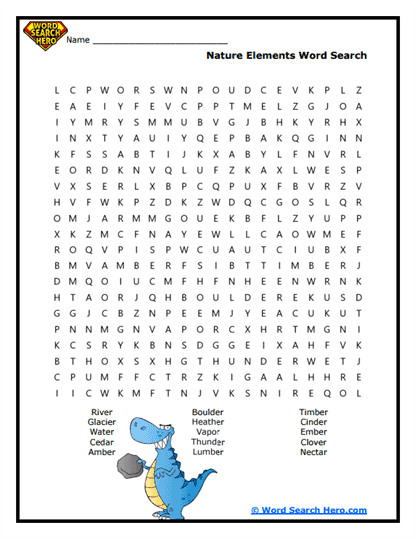
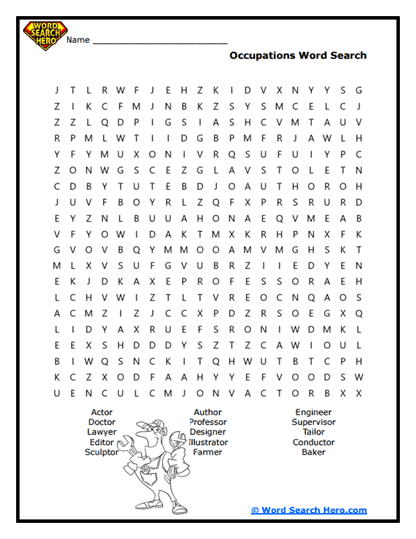
Our Ends With Letter R word search collection takes a familiar format and grounds it in one of the most useful patterns in everyday English. Every hidden word ends in “R,” but what makes this set especially engaging is how widely that pattern stretches across real-world topics. From nature words like “river” and “thunder” to roles like “teacher,” “engineer,” and “explorer,” students are working with vocabulary they already recognize-and that makes the learning stick.
Because these words show up in so many subjects, this collection naturally connects language learning to broader content areas. A single session might touch on science, careers, history, sports, or music. That makes these puzzles a great companion to topics like science, careers, or even music, where many of these words already live.
Unlike puzzles built around rare or unfamiliar patterns, this one builds strength through familiarity. Students aren’t struggling to decode new words-they’re reinforcing ones they’ve seen before, which helps improve reading fluency, spelling accuracy, and confidence.
From Rivers to Rappers: A Pattern That Connects Everything
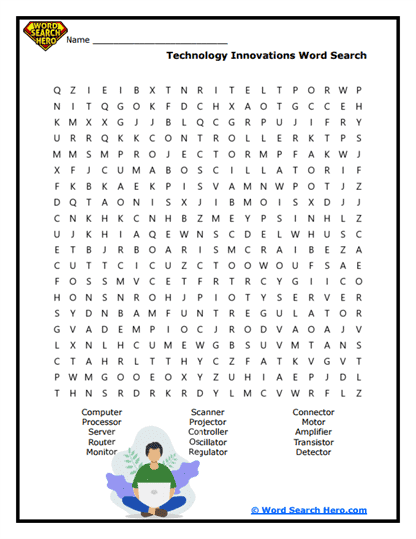
One of the most interesting things about this collection is how effortlessly it bridges completely different topics. A student might find “glacier,” then “doctor,” then “router,” then “rapper”-all connected by the same simple ending.
That variety matters.
When learners see the same pattern appear across nature, technology, jobs, and entertainment, they begin to understand that spelling patterns aren’t tied to just one subject. They’re part of the structure of language itself. This kind of cross-topic exposure helps vocabulary feel more flexible and usable, rather than locked into a single lesson.
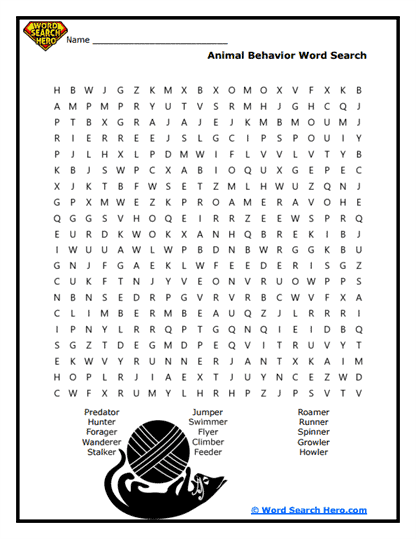
It also keeps engagement high. Instead of working through a narrow theme, students are constantly shifting context. That mental movement-jumping from animals to travel to history-keeps their attention active and prevents the puzzle from feeling repetitive.
For educators, this creates an opportunity to reinforce connections. A word like “explorer” can tie into history, geography, or adventure topics. A word like “processor” connects to technology discussions. The pattern becomes a thread that ties multiple learning areas together, rather than isolating them.
Paul’s Pro-Tip

Try what I call the “R checkpoint.”
Have students lightly mark every “R” in the grid before they begin solving. It instantly turns the puzzle into a map instead of a maze.
From there, they work backward from each “R” to see if a real word forms. It cuts down on random searching and helps them stay focused on structure instead of guessing.
If you want to make it more interactive, challenge them to find the longest word ending in “R” or the one that took the most effort to confirm. That little bit of reflection helps reinforce the habit of checking the full word-not just recognizing part of it.
Easy Ways to Reinforce Word Endings Without Worksheets
The beauty of this collection is that it doesn’t need much extra work to turn into a meaningful lesson. Because the words are familiar and widely used, even quick follow-ups can have a big impact.
One easy activity is a “category call-out.” After finishing the puzzle, ask students to group words by theme-nature, jobs, sports, or technology. This reinforces how vocabulary connects across subjects and pairs nicely with broader areas like vocabulary development.
Another simple idea is sentence building. Give students two or three words they found and have them create a sentence that uses them correctly. It’s a fast way to connect recognition with actual usage, especially for action-oriented or role-based words.
You can also try a comparison challenge. Ask: which words describe people (like “teacher” or “driver”), and which describe things (like “computer” or “glider”)? That naturally leads into grammar discussions around nouns and roles without needing a formal lesson.
For a quick verbal activity, have students read a few of their words aloud and explain what they mean. Because the vocabulary is familiar, this builds confidence and encourages participation-even from quieter learners.
These small extensions take just a few minutes, but they turn a simple puzzle into something much more valuable: a bridge between recognition, understanding, and real-world use.
Frequently Asked Questions
Why are “R” ending words so useful for students to practice?
Because they show up everywhere. Words ending in “R” are common across subjects-science, jobs, technology, and everyday conversation-so practicing them helps reinforce vocabulary students will actually use again and again.
Is this type of puzzle better for younger or older learners?
It works well across a wide range of levels. Younger learners benefit from the familiarity of the words, while older students can use the same vocabulary to make deeper connections across subjects like history, science, or careers.
How does this help with reading accuracy?
Students are encouraged to read all the way to the end of each word instead of guessing based on the beginning. That habit-confirming the full word-carries over into stronger reading comprehension and fewer mistakes.
Can these puzzles connect to other subjects beyond language arts?
Yes, and that’s one of their biggest strengths. The vocabulary naturally overlaps with areas like science, technology, history, and careers, making it easy to reinforce multiple subjects at once.
What should I do after students finish the puzzle to make it more meaningful?
Keep it simple but intentional. Ask them to sort words by category, use a few in sentences, or explain what they mean. Those quick steps turn recognition into understanding without adding extra workload.