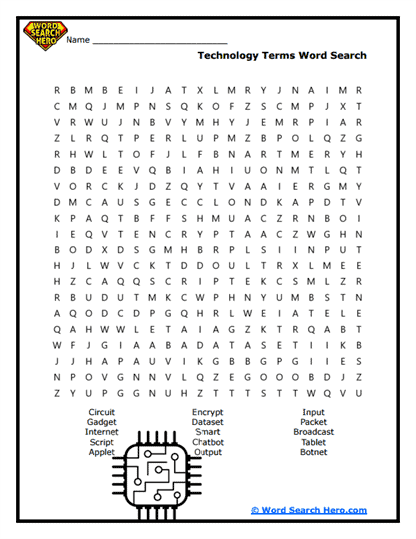
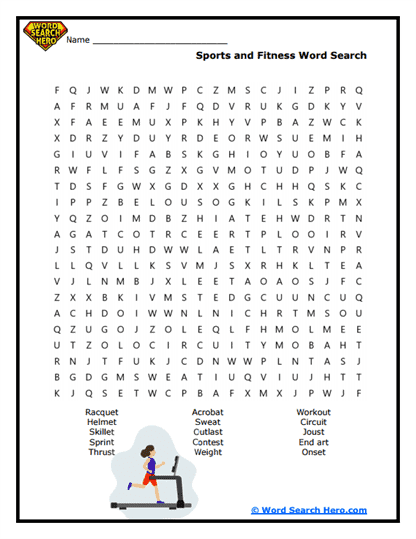
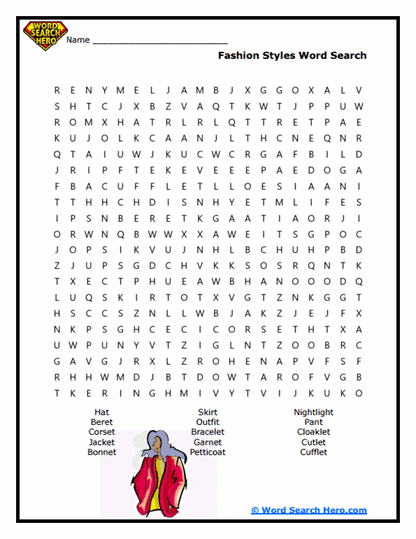
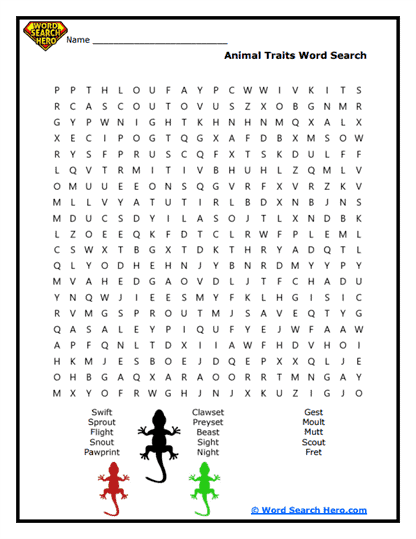
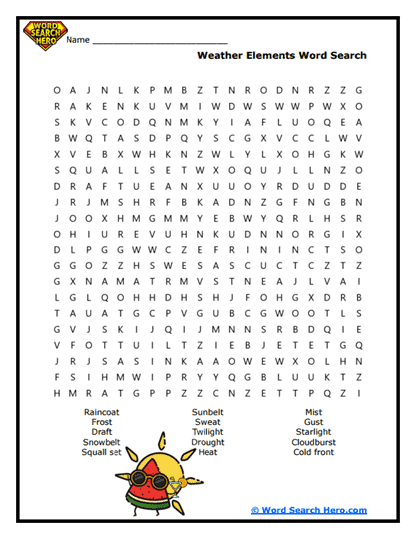
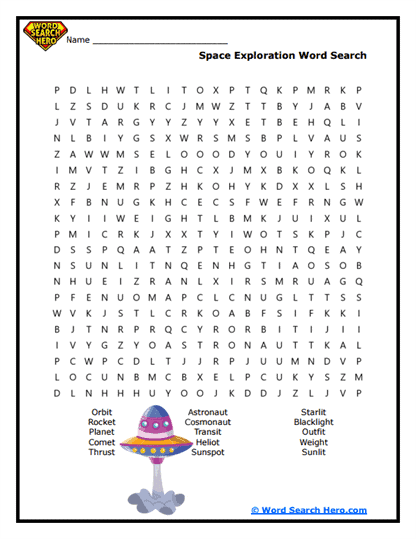
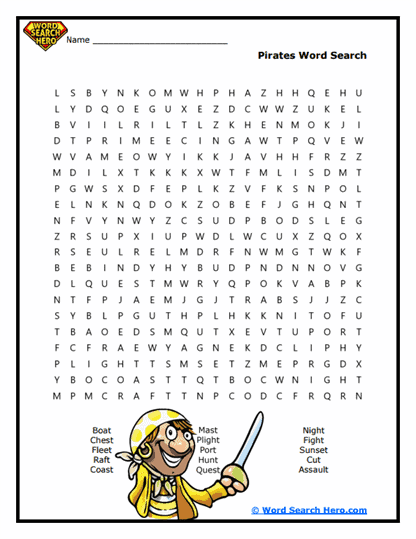
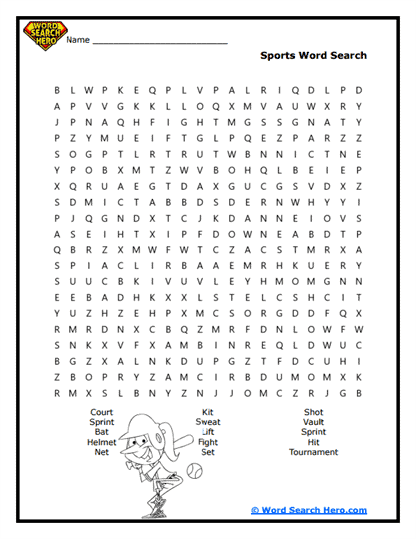
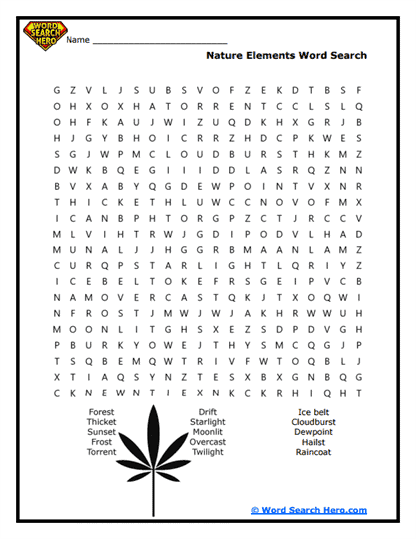
About Our Ends With Letter T Word Searches
Our Ends With Letter T word search collection brings together one of the most common-and most useful-word endings in English. Every hidden word ends in “T,” but what makes this set especially effective is how naturally those words appear across everyday topics. From tech terms like “dataset” and “circuit” to career paths like “dentist” and “scientist,” students are working with vocabulary that connects directly to the world around them.
That familiarity makes a difference. Instead of decoding unfamiliar or abstract words, learners can focus on accuracy, structure, and meaning. It’s a strong companion to broader literacy work like vocabulary development and phonics, where recognizing consistent endings helps improve reading fluency and spelling confidence.
Because the themes range from space and weather to fitness, fashion, and adventure, these puzzles also reinforce learning across subjects. Students aren’t just spotting words-they’re reinforcing language they’ll encounter in science, writing, and everyday conversation.
The Role of “T” in Everyday Vocabulary Across Subjects
The letter “T” quietly anchors a huge portion of everyday vocabulary, and this collection makes that clear in a way students can actually see.
Across these puzzles, “T” shows up in words tied to technology (“encrypt,” “dataset”), careers (“chemist,” “architect”), nature (“frost,” “twilight”), and even storytelling (“quest,” “pirate”). That range matters because it helps students understand that spelling patterns aren’t limited to one subject-they carry across everything they read and write.
It also reinforces recognition through repetition without feeling repetitive. A student might move from a science-focused puzzle to a sports-themed one, but the same ending keeps showing up. That consistency helps build familiarity and confidence, especially for learners who benefit from seeing patterns multiple times in different contexts.
There’s also a phonics advantage here. Words ending in “T” often have a clean, crisp sound that makes them easier to hear and identify. That clarity helps students connect what they see on the page with what they hear when reading aloud-an important step in building stronger decoding skills.
Paul’s Pro-Tip

Try what I call the “finish line check.”
Before students circle a word, they have to find the “finish line”-the letter T-and confirm the word leads cleanly into it.
It’s a simple rule, but it changes how they approach the puzzle. Instead of jumping at a word that looks right at the beginning, they learn to track it all the way to the end.
If you want to add a little energy, turn it into a challenge: “No finish line, no point.” Students quickly start double-checking their work-and their accuracy improves without you having to say much.
Turning These Puzzles Into a Speaking and Writing Boost
These puzzles are a great starting point-but they become much more powerful when students use the words beyond the grid.
Start with a quick speaking activity. After finishing, ask students to pick two words and explain what they mean out loud. Because the vocabulary spans multiple subjects, this naturally builds confidence and helps students practice using words in context-especially when paired with areas like speaking and listening skills.
Next, move into short writing. Have students create a simple sentence using one or two of the words they found. For example, “The scientist studied the dataset.” This reinforces both meaning and structure without requiring a long assignment.
You can also turn it into a quick storytelling challenge. Give students three words from the puzzle-like “rocket,” “quest,” and “forest”-and have them build a short story around them. It’s a fast, creative way to connect vocabulary to imagination.
For a final step, try a peer share. Students read their sentences or stories aloud and explain how they used each word. This reinforces understanding while giving them a chance to hear how others use the same vocabulary differently.
These simple extensions take just a few minutes, but they turn passive recognition into active language use-which is where real learning happens.
Frequently Asked Questions
Why focus on words that end in “T”?
Because they’re everywhere. Words ending in “T” appear across science, careers, storytelling, and everyday conversation, making them incredibly useful for building practical vocabulary students will reuse often.
Are these puzzles good for cross-subject learning?
Yes, and that’s one of their biggest strengths. The vocabulary naturally connects to areas like science, technology, and real-world careers, making it easy to reinforce multiple subjects at once.
How do these puzzles support speaking skills?
They give students familiar, meaningful words to talk about. When learners explain or use words like “scientist” or “rocket” aloud, they’re practicing both vocabulary and confidence in communication.
Can these puzzles help with writing development?
Absolutely. Even short sentence or story activities based on puzzle words help students practice using vocabulary correctly, which strengthens both writing clarity and word choice.
What’s the best way to extend the activity without adding extra work?
Keep it simple. Ask students to explain a word, use it in a sentence, or include it in a short story. These quick steps add depth without turning the activity into a full lesson.