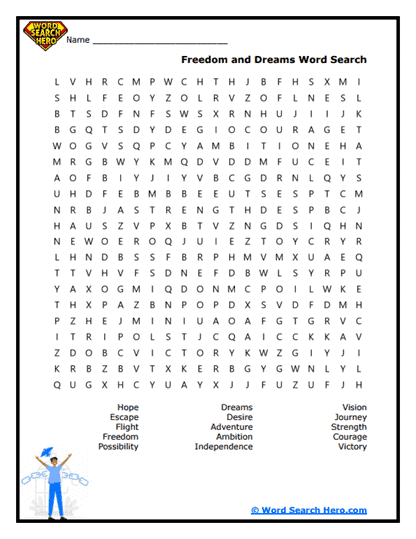
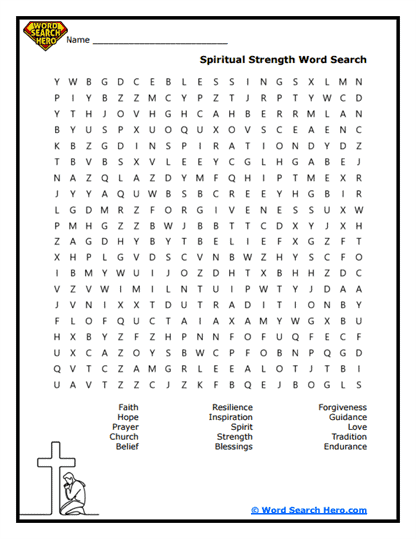
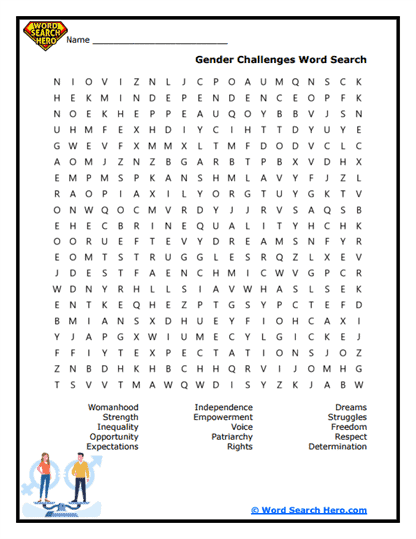
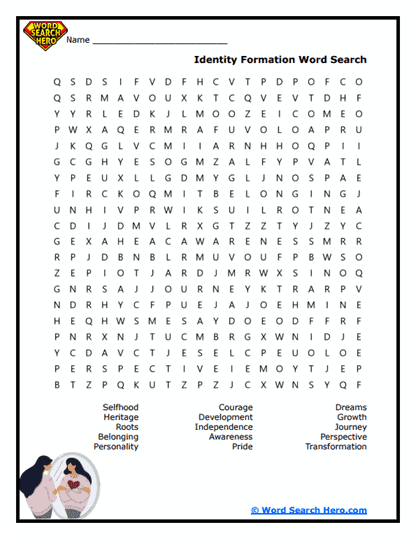
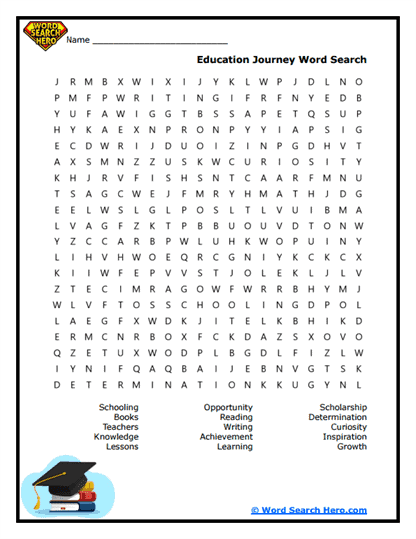
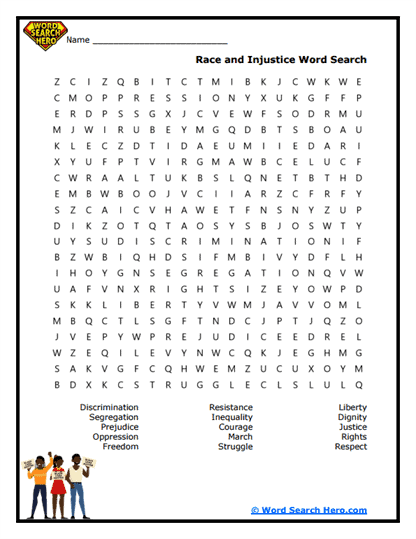
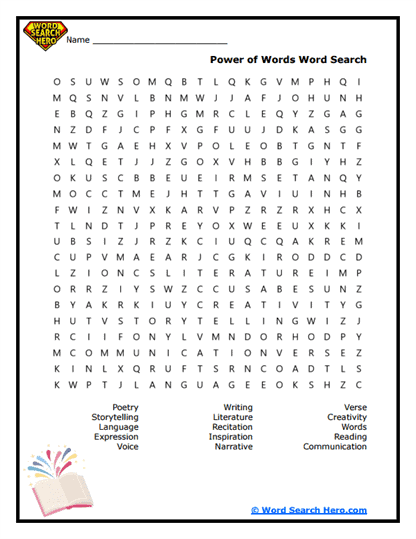
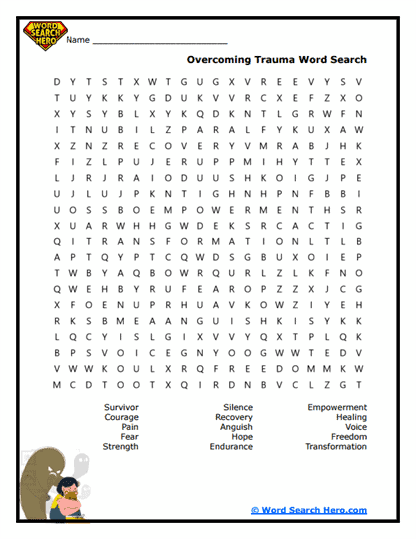
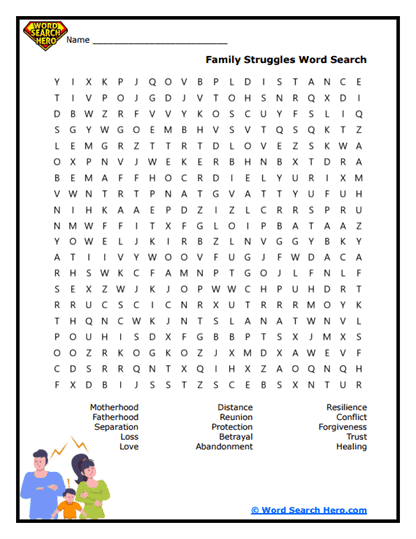
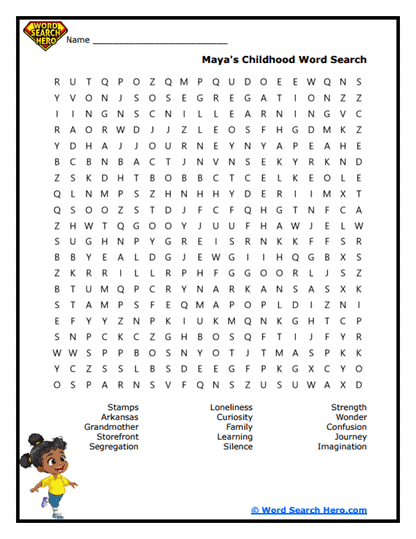
About Our I Know Why the Caged Bird Sings by Maya Angelou Word Searches
I Know Why the Caged Bird Sings word searches provide an inspiring way to explore Maya Angelou’s celebrated memoir while reinforcing its moving narrative, historical significance, and enduring themes. These printable puzzles introduce students to important vocabulary connected to resilience, identity, family, education, courage, freedom, and self-expression. As learners search for words, they gain a deeper appreciation for the experiences that shaped Maya Angelou’s life and the remarkable journey that transformed her into one of America’s most influential writers.
The memoir follows Maya Angelou’s childhood and adolescence as she navigates racism, family separation, personal trauma, and the search for confidence and belonging. Despite enormous challenges, Maya discovers strength through education, literature, supportive relationships, and eventually her own voice. Her story demonstrates that healing is possible and that courage often begins with believing in your own worth.
These word searches strengthen vocabulary, reading comprehension, literary analysis, and historical understanding while encouraging thoughtful discussions about perseverance, identity, compassion, and hope.
With puzzles covering family, education, resilience, justice, personal growth, faith, and dreams, this collection helps students build a richer appreciation for one of the most important autobiographical works in American literature.
The Narrative and Its Enduring Message
I Know Why the Caged Bird Sings tells the story of a young girl who gradually discovers that her voice has value despite the hardships she experiences. Word searches throughout this collection introduce students to themes such as courage, identity, family, education, discrimination, resilience, hope, healing, and self-expression. Together, these ideas reveal how Maya Angelou grows through both joyful and painful experiences.
At its heart, the memoir explores the journey from silence to confidence. Maya faces loneliness, prejudice, and personal struggles, yet she continually finds encouragement through books, caring mentors, family members, and her growing love of language. Reading and writing become more than academic skills-they become powerful tools for understanding herself and communicating with the world.
Rather than allowing adversity to define her future, Maya learns that resilience comes from embracing one’s identity, accepting support from others, and refusing to surrender hope. Her memoir reminds readers that personal growth often develops through perseverance, compassion, and the courage to keep moving forward.
Encouraging students to reflect on questions such as, “How did books help Maya find her voice?” or “Which people most influenced her confidence?” helps deepen their understanding of both the memoir and its lasting message.
Paul’s Pro-Tip

One of the most effective ways to use an I Know Why the Caged Bird Sings word search is to create a “voice and growth journal.” As students find words like voice, courage, hope, identity, and transformation, have them explain how each word represents a different stage in Maya’s journey. Then ask them to identify the people, events, or books that helped her grow during each stage. This helps students recognize that confidence develops gradually through many experiences rather than appearing all at once.
Another meaningful activity is the “books that build bridges” exercise. After completing the puzzle, have students identify every vocabulary word related to reading, writing, learning, or communication. Then discuss how literature helped Maya understand herself, overcome periods of silence, and connect with the larger world. This encourages students to see books not simply as classroom assignments but as lifelong sources of knowledge, comfort, and personal empowerment.
From Story to Literary Understanding
I Know Why the Caged Bird Sings word searches become even more meaningful when students connect the vocabulary to the memoir’s larger themes. After completing a puzzle, students can choose one word and explain how it influences Maya’s growth or an important moment in her life.
For example, students might explore how resilience helps Maya overcome adversity, how education creates opportunities for her future, or how voice symbolizes confidence, healing, and self-expression. Others may examine how family and community provide support during difficult times or how hope motivates Maya to continue believing in a brighter future.
These activities naturally support literature, history, and social studies by encouraging thoughtful discussions about the historical setting of the memoir, racial segregation, personal identity, resilience, and the transformative power of education and language.
By connecting vocabulary to character development and theme, students transform a simple word search into a deeper exploration of one of the most influential memoirs in American literature.
Frequently Asked Questions
Why is I Know Why the Caged Bird Sings considered an American literary classic?
The memoir combines powerful personal storytelling with an honest portrayal of growing up in the segregated American South. Maya Angelou’s thoughtful reflections on resilience, identity, education, and hope continue to inspire readers across generations. Its literary style and historical significance have made it a cornerstone of American literature.
What is the central message of I Know Why the Caged Bird Sings?
The memoir teaches that courage, education, self-expression, and perseverance can help people overcome even the most difficult challenges. Maya Angelou demonstrates that finding one’s voice is an essential part of personal growth. Her story encourages readers to believe in their own strength and potential.
Why are books and language so important in Maya Angelou’s memoir?
Books provide Maya with comfort, knowledge, imagination, and confidence during difficult periods of her life. Reading introduces her to new ideas, while writing and language eventually allow her to express herself with honesty and courage. Together, they become powerful tools for healing and self-discovery.
How can I make I Know Why the Caged Bird Sings word searches more interactive?
Have students connect each vocabulary word to a specific event, relationship, or lesson from the memoir. Another excellent activity is creating a timeline showing how Maya develops confidence, resilience, and her own voice throughout the story. These exercises reinforce vocabulary while strengthening literary analysis and personal reflection.
What literary themes should students pay close attention to while reading I Know Why the Caged Bird Sings?
Students should focus on resilience, identity, family, education, courage, racism, hope, healing, self-expression, freedom, community, and personal growth. These themes shape Maya Angelou’s journey from childhood to young adulthood and help explain why her memoir continues to resonate with readers around the world.