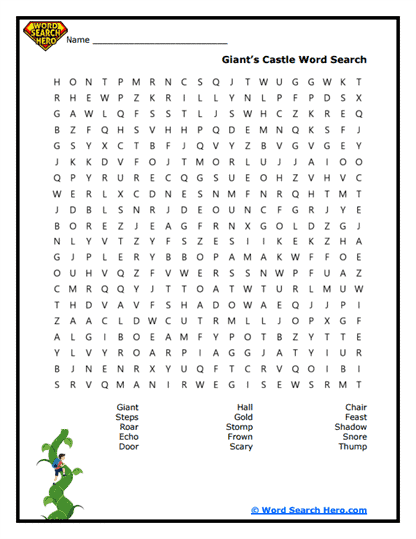
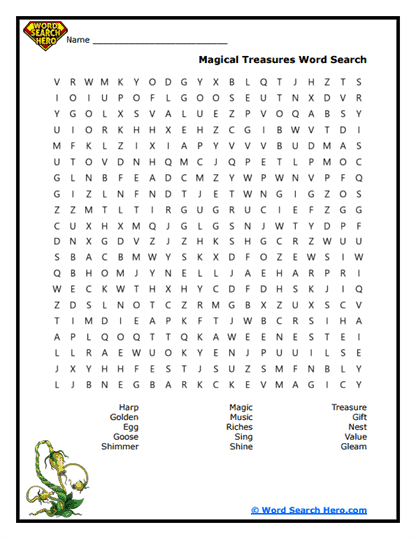
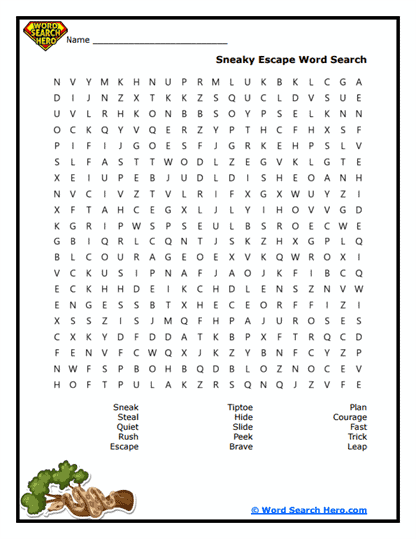
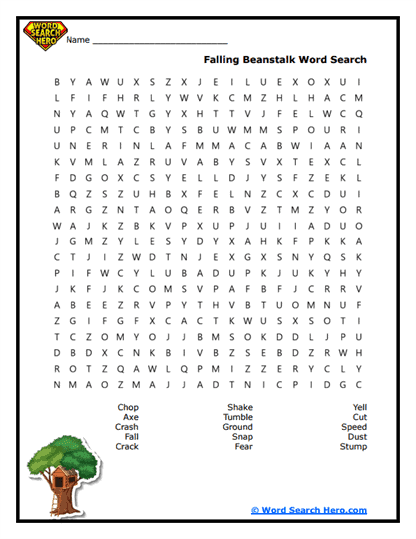
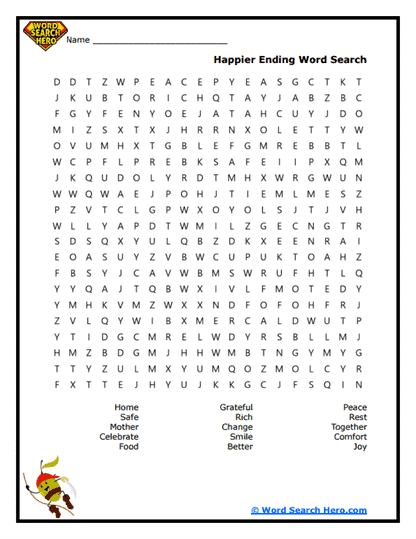
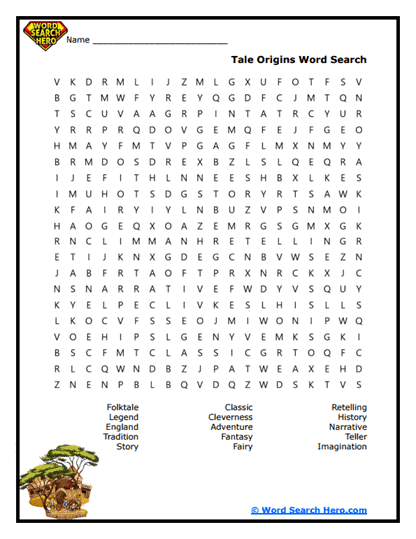
About Our Jack and the Beanstalk Word Searches
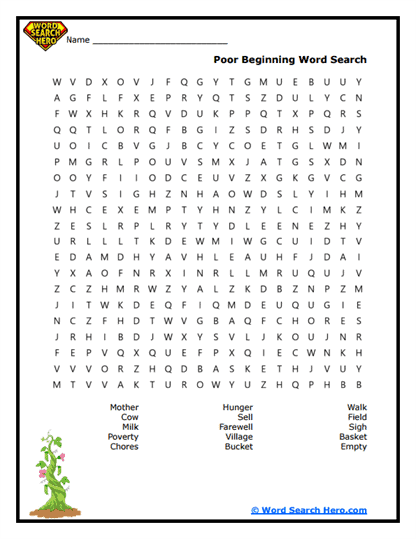
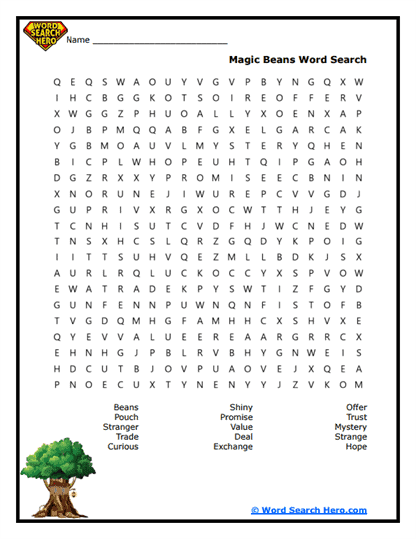
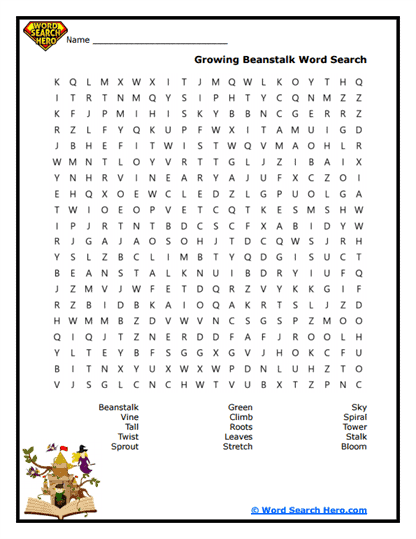
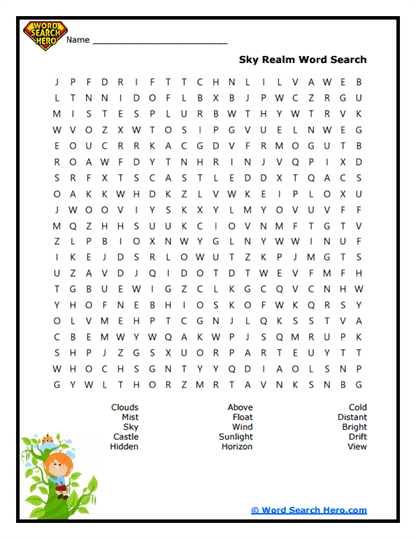
Jack and the Beanstalk word searches provide an exciting way to explore this classic fairy tale while focusing on its narrative, moral lessons, and cautionary elements. These printable puzzles introduce learners to key terms such as beanstalk, giant, castle, harp, golden eggs, and trade, all directly tied to the story’s events. As users search for words, they actively engage with the storyline and its deeper meaning.
The story follows Jack, a young boy who trades his family’s cow for magic beans, leading to a towering beanstalk and a dangerous adventure in the giant’s castle. While the tale is often seen as adventurous, it also carries strong cautionary elements about risk, decision-making, and consequences. Jack’s choices drive the story forward, showing how bold actions can lead to both reward and danger.
These word searches help reinforce vocabulary, reading comprehension, and critical thinking. They are perfect for classrooms, literature units, or at-home learning activities.
With varying difficulty levels, Jack and the Beanstalk word searches offer an engaging way to explore the story while highlighting its cautionary lessons.
The Narrative and Its Cautionary Message
The story of Jack and the Beanstalk becomes clearer when students focus on the sequence of decisions and consequences. Word searches centered on this topic often include terms like beans, trade, climb, giant, treasure, and escape. Each of these represents a key moment in the story’s progression.
At its core, Jack and the Beanstalk is a cautionary tale about risk, impulsive decisions, and facing the consequences of one’s actions. Jack’s initial choice to trade the cow for beans seems reckless, setting the story into motion. As he climbs the beanstalk and enters the giant’s world, he repeatedly takes risks that could lead to danger. While he ultimately gains treasure, each step involves significant consequences and moral ambiguity.
Encouraging students to think about these elements helps deepen understanding. They can ask questions like, “Was trading the cow a wise decision?” and “What risks did Jack take when entering the giant’s castle?” This kind of thinking builds stronger comprehension of both narrative structure and moral complexity.
By focusing on the story’s message, students begin to see Jack and the Beanstalk not just as an adventure, but as a lesson about choices, risks, and consequences.
Paul’s Pro-Tip
One of the most effective ways to use a Jack and the Beanstalk word search is to turn it into a “risk vs. reward tracker.” As students find words like “beans,” “giant,” and “treasure,” have them list each major decision Jack makes and label it as a risk, a reward, or both. For example, climbing the beanstalk is a huge risk, but it leads to potential reward. This helps students understand that many choices in the story are not simply right or wrong-they involve trade-offs.
Another powerful strategy is the “moral debate exercise.” After completing the puzzle, ask students to discuss whether Jack’s actions-especially taking items from the giant-were justified. Was he being clever and brave, or reckless and dishonest? This encourages deeper thinking about the story’s moral complexity. It also helps students see that some fairy tales present lessons that are open to interpretation rather than straightforward.
From Story to Moral Reflection
Jack and the Beanstalk word searches can lead to deeper learning when students focus on how the narrative connects to its moral lessons. After completing a puzzle, students can choose one event-such as trading the cow or climbing the beanstalk-and explain its role in the story. This helps connect vocabulary to meaning.
For example, a student might explore how impulsive decisions can lead to unexpected outcomes or how bravery can sometimes blur into recklessness. Another might examine how consequences follow each action Jack takes. These reflections help students understand how decisions shape the direction of the story.
This approach also supports cross-curricular learning. It can connect with writing by asking students to rewrite the ending or with critical thinking by analyzing Jack’s choices. Group discussions can deepen understanding by comparing viewpoints.
By focusing on narrative and moral, students gain a clearer picture of Jack and the Beanstalk. It transforms a simple puzzle into a meaningful exploration of risk, consequence, and decision-making.
Frequently Asked Questions
What is the main moral of Jack and the Beanstalk?
The main moral often focuses on the risks of impulsive decisions and the consequences that follow. Jack’s choice to trade the cow sets everything in motion. The story also explores bravery and resourcefulness. This makes it a more complex cautionary tale than many others.
Why is trading the cow for beans important in the story?
This moment is the key decision that begins the entire narrative. It shows Jack acting without fully understanding the consequences. The trade introduces both opportunity and danger. It highlights how one choice can change everything.
What does the giant represent in the story?
The giant represents danger, power, and the consequences of entering unknown territory. He serves as the main obstacle Jack must face. His presence creates tension and risk. This reinforces the cautionary nature of the tale.
How can I make Jack and the Beanstalk word searches more interactive?
You can have students track Jack’s decisions and label them as risks or rewards. Another effective activity is debating whether his actions were justified. These strategies deepen understanding and engagement. They also connect the puzzle to the story’s moral complexity.
Why is Jack and the Beanstalk considered a cautionary tale?
It is considered a cautionary tale because it highlights the consequences of risky and impulsive behavior. Jack’s actions repeatedly place him in danger. The story shows both positive and negative outcomes of those choices. This encourages reflection on decision-making and responsibility.