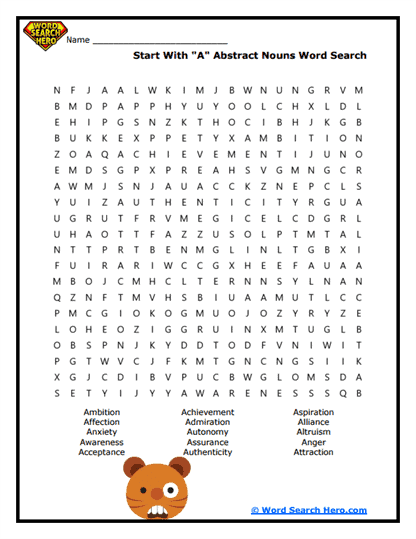
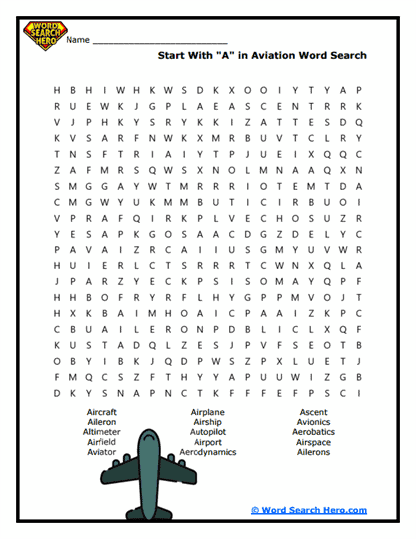
About Our Starts With Letter A Word Searches
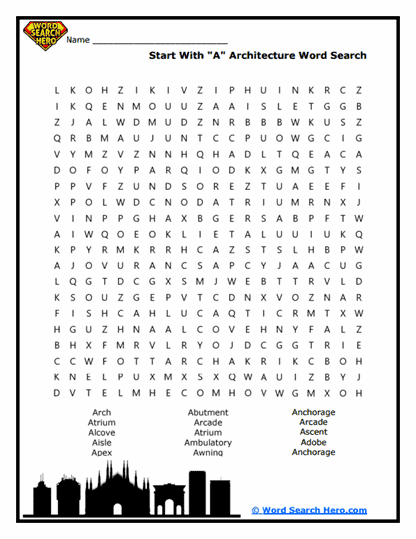
Our “Starts With Letter A” word searches give students a fun and simple way to build reading skills by focusing on one clear pattern-every word begins with the letter A. This makes it easier for learners to recognize how words start while enjoying a familiar puzzle format.
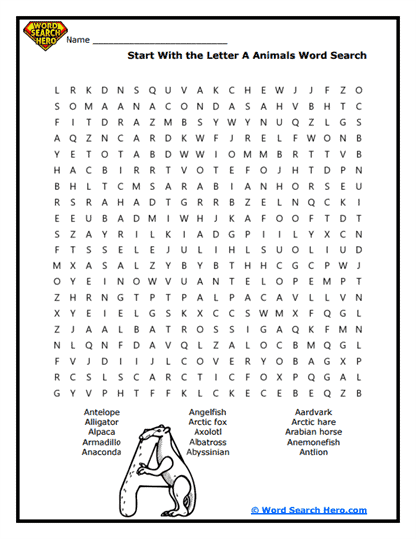
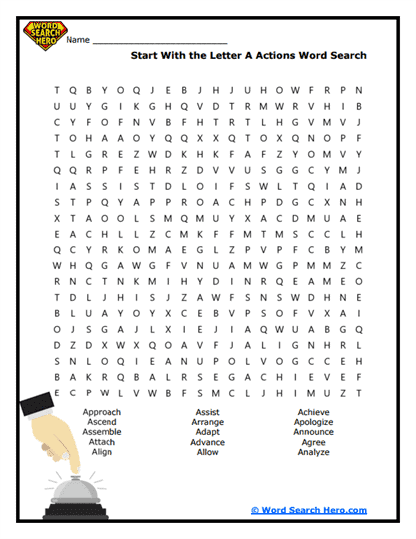
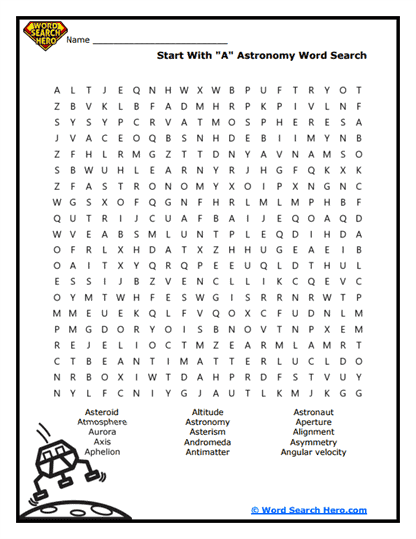
Because A is such a common letter, these puzzles feel very natural to students. They might explore words connected to animal names and habitats, action verbs in daily life, or even astronomy and space topics, making learning both fun and meaningful.
These puzzles are especially helpful for early readers who are learning how letters connect to sounds and how words are built.
Why A Words Appear Everywhere in Early Reading
The letter A shows up in so many words that students see every day.
That is one reason it is often one of the first letters students learn. When students work with A words, they get lots of practice spotting the letter and connecting it to sounds.
With these puzzles, students learn to:
- recognize the letter A quickly
- connect it to its sound (short A like “apple” or long A like “apron”)
- use it as a clue to figure out words
This makes reading feel easier.
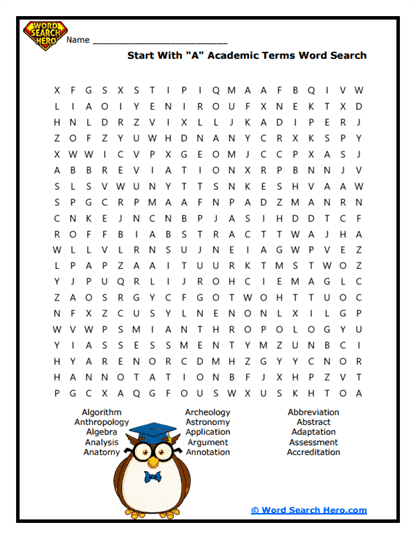
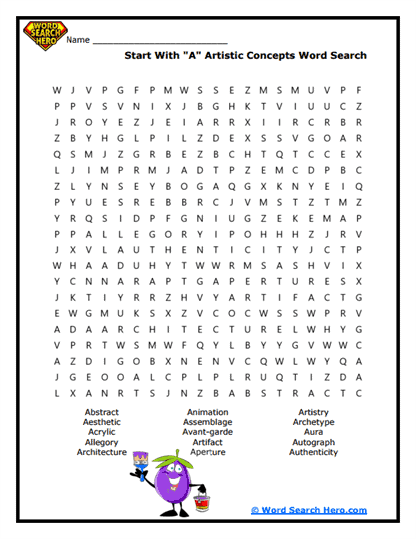
For example, students might see words tied to academic subjects and school vocabulary or art and creative expression terms. Even though the topics are different, the shared starting letter helps them see patterns.
Over time, students begin to trust that first letter. Instead of guessing, they use it as a helpful guide.
Paul’s Pro-Tip

Think like a detective-follow the A’s step by step.
Here’s how to really use this strategy:
- Start by scanning the entire puzzle and lightly circle every “A” you see.
- Look at your circles-these are your only possible starting points.
- Pick one “A” and check all directions:
- across
- up and down
- diagonally
- Compare the letters you see with your word list. Do the next letters match the start of a word?
- If not, move to the next “A” and try again.
This keeps students from guessing and helps them stay organized.
It also builds a real reading skill: starting at the beginning of a word and working forward, one piece at a time.
Once students practice this, they usually get faster-and feel more confident solving puzzles and reading new words.
Turning These Puzzles Into a Phonics Lesson
These puzzles are more than just word games-they are a great way to practice phonics.
Start by saying the sound of A together. Talk about how it can sound different depending on the word.
Next, pick a few words from the puzzle:
- Say them out loud
- Clap out the syllables
- Talk about what they mean
Then try a simple activity:
- Write one word
- Break it into parts
- Use it in a sentence
You can also extend learning by:
- sorting words into groups (animals, actions, objects)
- thinking of new A words
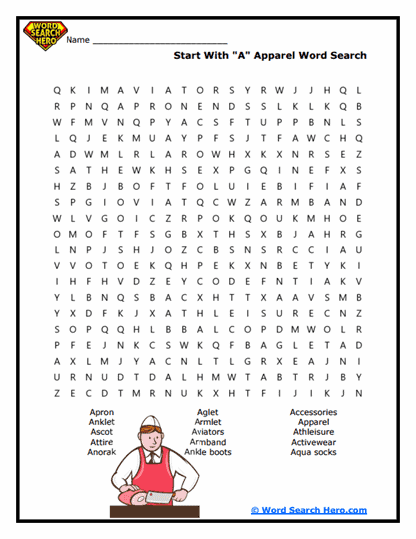
- connecting words to real-life topics like apparel and clothing vocabulary or everyday routines
These steps help students move from just finding words to actually understanding and using them.
Frequently Asked Questions
What are “Starts With Letter A” word searches?
These are word search puzzles where every hidden word begins with the letter A. This helps students focus on one letter and sound while building vocabulary and reading skills.
Why is the letter A so important for early readers?
The letter A appears in many common words, so students get lots of practice seeing it. It also has more than one sound, which helps students learn flexibility when reading different words.
How do these puzzles support phonics learning?
They help students connect the letter A to its sounds by seeing it repeatedly at the beginning of words. This strengthens decoding skills and helps students read more smoothly.
How can teachers use these puzzles effectively?
Teachers can use them as part of phonics lessons, literacy centers, or quick review activities. They can also follow up with discussions, word sorting, or sentence writing to deepen learning.
How can parents use these puzzles at home?
Parents can turn the puzzle into a short lesson by talking about a few words afterward. Asking what the words mean or using them in sentences helps build understanding in a simple way.
What should students do if they feel stuck?
They should go back to the letter A. Find one, check the nearby letters, and build the word step by step. Breaking it down makes even tricky words easier to solve.