About Our Letter L Word Searches
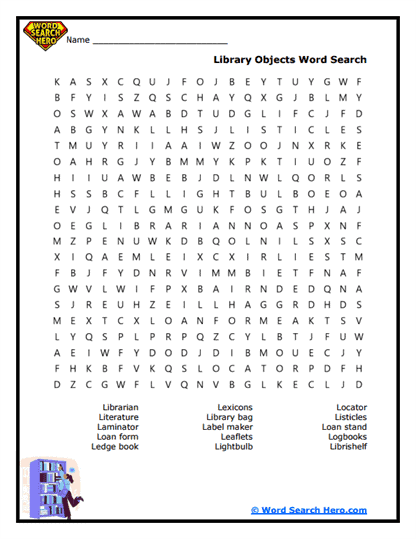
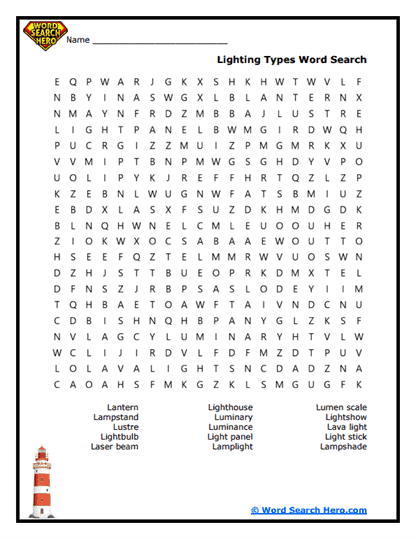
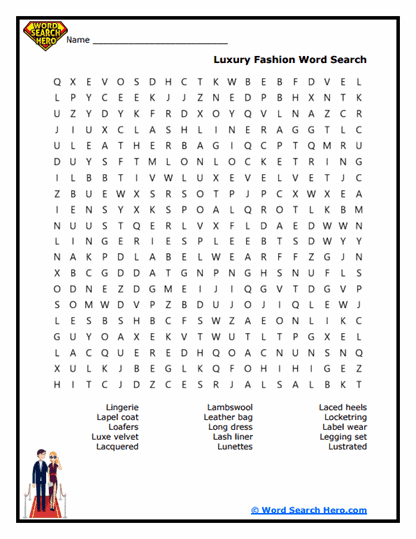
This collection of Letter L word searches brings together an unusually wide mix of topics, all connected by a single starting sound. Instead of focusing on just one theme, these puzzles move from libraries and landscapes to lighting, law, and even lunar science. That variety makes this page especially useful for learners who benefit from seeing vocabulary used across different subjects.
Because each puzzle introduces words tied to a specific theme, students aren’t just spotting patterns-they’re building real-world vocabulary. A child might move from identifying plant terms in one puzzle to exploring legal language in another, all while reinforcing the same starting letter. This layered exposure helps strengthen both recognition and understanding.
For educators, this collection pairs especially well with broader literacy goals like phonics review or thematic units. It can also connect naturally to topics like phonics and science when you want to reinforce vocabulary in a more engaging format. Instead of isolated drills, students experience how language connects across subjects, which makes learning feel more meaningful and memorable.
Why This “L” Collection Feels Like a Mini Curriculum
What makes this set of puzzles stand out is how naturally it mirrors a cross-subject lesson plan. Within a single letter, students encounter vocabulary tied to geography, science, language arts, hobbies, and even law. That means a simple puzzle session can quietly reinforce knowledge from multiple areas of learning.
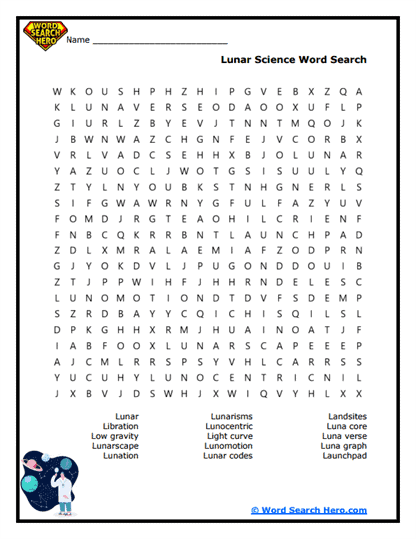
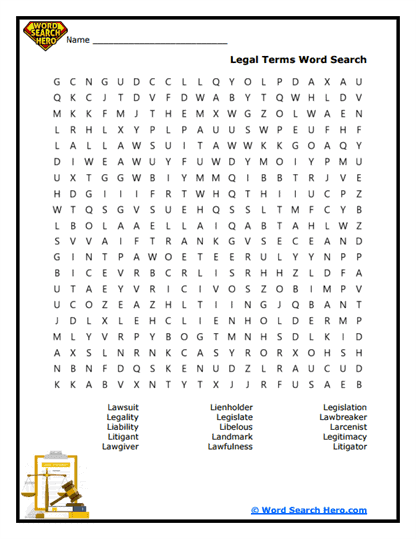
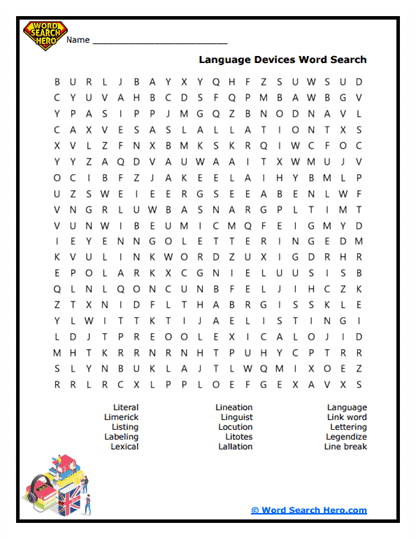
For example, the “Landscape Legends” puzzle introduces geographic terms, while “Lunar Lab” leans into space science. “Language Launch” builds familiarity with literary concepts, and “Legal Lexicon” exposes students to real-world terminology they might not encounter until much later. This diversity allows students to explore a range of ideas without switching activities or materials.
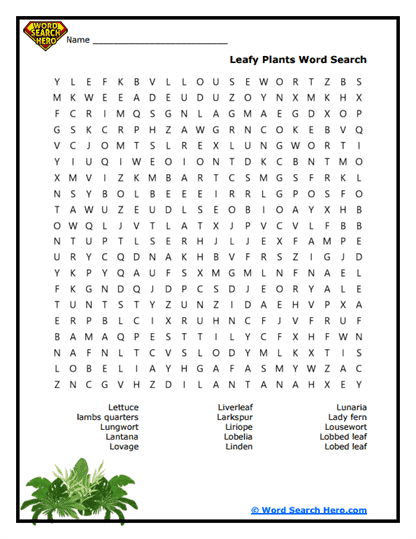
It also creates opportunities for intentional connections. A teacher might pair the plant-focused puzzle with a lesson from biology, or use the language-based puzzle alongside work in grammar. Instead of feeling like separate exercises, these puzzles can reinforce what students are already learning in other parts of the day.
Over time, this kind of exposure helps students see vocabulary not as isolated words, but as part of a larger system of knowledge. That shift is where real language growth begins.
Paul’s Pro-Tip
 When working through a collection like this, don’t treat each puzzle as a completely separate activity.
Instead, pause after finishing one and ask, “What kind of words did we just find?” Then compare it to the next puzzle. When students start noticing that one puzzle is full of science terms and another is full of action verbs, they begin to recognize how vocabulary is organized by subject and purpose.
That simple habit turns a word search into a thinking exercise-and helps students retain far more of what they learn.
Using “L” Words to Spark Writing and Discussion
Once students complete a puzzle, the real opportunity begins. Each set of words can act as a ready-made vocabulary bank for speaking and writing activities.
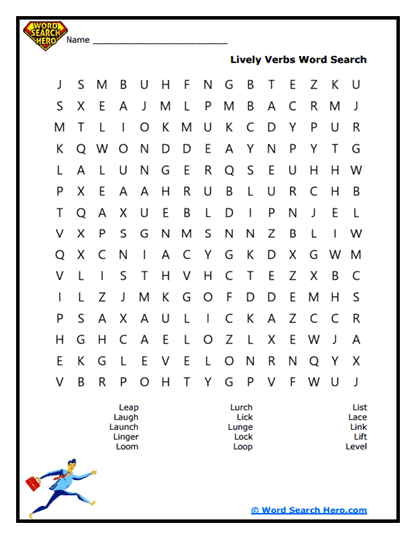
For younger learners, you might ask them to pick three or four words and use them in a sentence. With action-based puzzles like “Lively Leaps,” this can turn into fun storytelling where students describe movement or create short scenes. For older students, more complex sets like “Legal Lexicon” can lead to discussions about real-world systems, roles, and responsibilities.
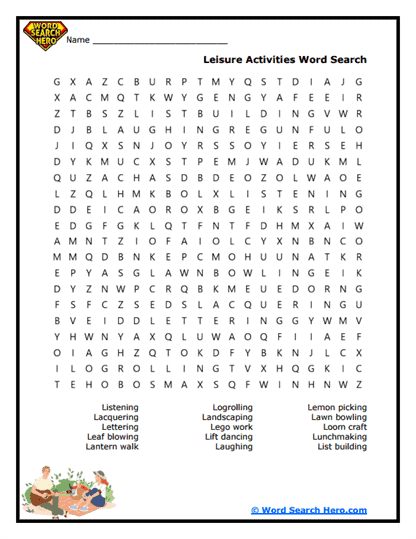
You can also group words by theme and ask students to explain how they connect. For example, after completing the plant-based puzzle, students might describe how different leaves grow or where they are found. After a leisure-themed puzzle, they might compare hobbies and explain which ones they enjoy most.
This approach works especially well when paired with broader categories like writing or even creative activities found in activities for kids, where vocabulary becomes a tool rather than just something to memorize. The goal is to move from recognition to usage-helping students actively use the words they’ve discovered.
Frequently Asked Questions
Are the puzzles arranged by difficulty level?
Some puzzles naturally feel easier because they use more familiar or shorter words, while others introduce longer or more specialized vocabulary. This mix allows learners to gradually challenge themselves without needing a strict difficulty system.
Can these puzzles be used for vocabulary expansion?
Yes, and this collection is especially strong for that purpose because of its variety. Students are exposed to words from multiple subjects, which helps them build a broader and more flexible vocabulary over time.
How long does it usually take to complete one puzzle?
Most puzzles can be completed within a short session, making them easy to fit into a lesson or independent work block. The exact time will vary depending on the number of words and how quickly the student scans the grid.
Do these puzzles help with attention and focus?
They do, because students must carefully track letter patterns and stay engaged while searching in multiple directions. Over time, this kind of focused attention can carry over into reading and other learning tasks.
Can students work on these puzzles collaboratively?
Absolutely. These puzzles work well in pairs or small groups, where students can share strategies and help each other locate tricky words. Collaborative solving often leads to more discussion and deeper engagement with the vocabulary.