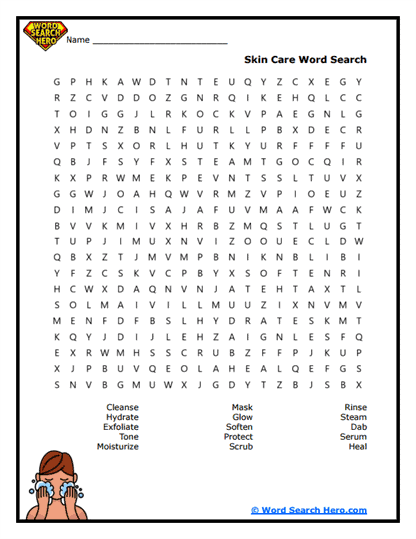
About Our Self Care Word Searches
Self Care word searches introduce students to the vocabulary used to describe habits and activities that support physical, emotional, and mental well-being. These printable puzzles help learners become familiar with important words related to healthy routines and personal care while strengthening reading, spelling, and observation skills. Before students develop consistent wellness habits, it often helps to recognize the language used to describe activities that support overall health.
Students exploring this topic may encounter words such as rest, exercise, hygiene, nutrition, relaxation, sleep, and balance. These terms appear frequently in health education and social-emotional learning lessons. Understanding them helps students recognize the importance of caring for their bodies and minds through healthy choices and daily habits.
A word search provides a fun and engaging way to reinforce this vocabulary. Because the activity feels like a puzzle rather than a traditional worksheet, it can make conversations about wellness more approachable. Teachers often use these printables during health lessons, morning work, independent practice, or early finisher time. Parents and homeschool educators can also include them in lessons to help students think about how everyday habits contribute to well-being.
As students search for the words in the puzzle grid, they strengthen concentration, visual scanning, and pattern recognition skills. At the same time, they are building a vocabulary that supports discussions about healthy routines and personal well-being.
Understanding the Importance of Self Care
Self care refers to the actions people take to maintain their physical health, emotional balance, and overall well-being. These actions can include daily habits such as getting enough sleep, eating nutritious foods, staying active, and taking time to relax.
Practicing self care helps individuals manage stress, maintain energy, and stay healthy. For students, developing good self care habits can support learning, improve focus, and promote positive relationships with others.
Self care also includes emotional well-being. Activities like talking with trusted adults, practicing gratitude, or taking time to rest when feeling overwhelmed can help students manage their feelings in healthy ways.
Learning the vocabulary related to self care helps students understand how different habits contribute to maintaining both physical and emotional health.
Word searches reinforce this learning by giving students repeated exposure to terms associated with healthy living and personal wellness.
Paul’s Pro-Tip
A valuable extension for this puzzle is a “daily wellness planner” activity. After students complete the word search, ask them to create a simple list of self care activities they can practice during the day.
Students might include actions such as drinking water, taking breaks during homework, getting enough sleep, or spending time outdoors. Encourage them to choose a few small habits they can practice regularly.
This activity adds strong instructional value because it helps students apply vocabulary to real-life habits. Teachers and homeschool educators can also use it to encourage discussions about how healthy routines support both physical and emotional well-being.
Helping Students Build Healthy Habits
Developing self care habits early can help students build routines that support lifelong wellness. When students understand the importance of rest, nutrition, movement, and emotional balance, they are better prepared to manage daily challenges and maintain good health.
Learning self care vocabulary also supports health education and social-emotional learning programs. Students who can talk about wellness habits are more likely to recognize when they need rest, support, or time to recharge.
A word search can serve as an introduction to a health or wellness lesson or as a quiet activity that reinforces the importance of healthy routines. After completing the puzzle, educators can encourage students to reflect on the activities that help them feel calm, energized, or focused.
When students become familiar with the language of self care, they gain the awareness and vocabulary needed to support their overall well-being.
Frequently Asked Questions
What does self care mean?
Self care refers to actions people take to maintain their physical, emotional, and mental health.
Why is self care important for students?
Self care helps students stay healthy, manage stress, and maintain the energy needed for learning and daily activities.
What are examples of self care habits?
Examples include getting enough sleep, eating healthy foods, exercising, practicing hygiene, and taking time to relax.
How can schools teach self care?
Schools can introduce lessons about healthy habits, emotional well-being, and time management to help students understand the importance of caring for themselves.
What activity pairs well with this puzzle?
Students can create a simple personal wellness plan that lists daily habits they can practice to support their health and well-being.