About Our At Home Activities Word Searches
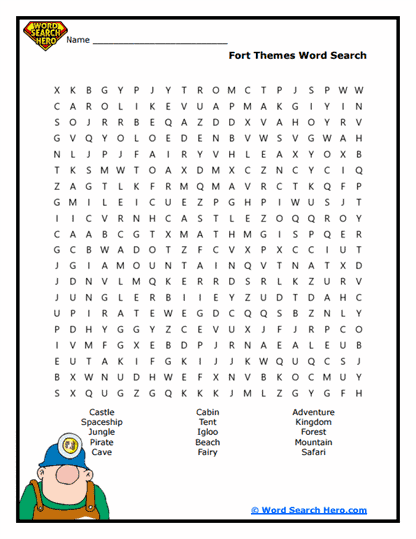
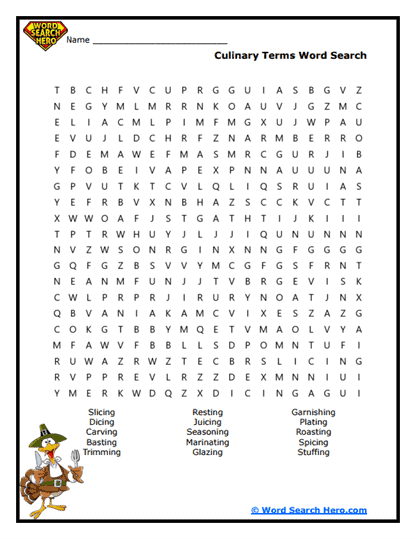
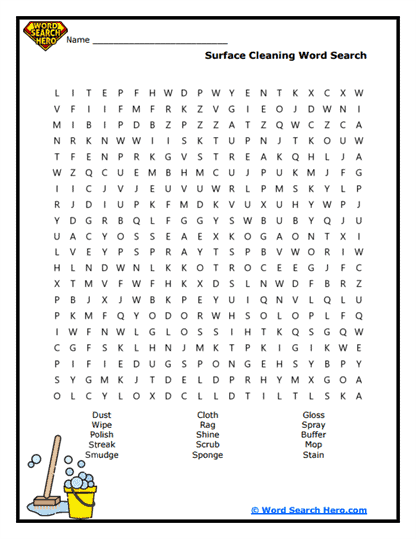
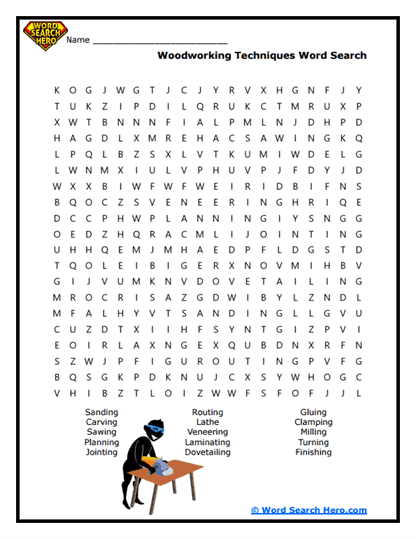
At Home Activities word searches introduce students to vocabulary connected with the many things people do while spending time at home. These printable puzzles help learners become familiar with words related to hobbies, household routines, relaxation, and family time. Because home is where many everyday activities take place, the vocabulary used in these puzzles feels familiar and meaningful for students.
Students exploring this theme may encounter words such as cook, clean, read, draw, play, watch, and relax. These words frequently appear in conversations about daily routines and leisure activities. A word search provides a fun way to reinforce this vocabulary while strengthening spelling recognition, reading confidence, and observation skills.
Since the activity feels like a puzzle rather than a traditional worksheet, it can make vocabulary practice more enjoyable. Teachers often use these printables during learning centers, quiet work periods, or early finisher activities. Parents and homeschool educators can also include them in lessons as a screen-free activity that helps students connect language learning with their everyday lives.
As students search the puzzle grid for hidden words, they strengthen concentration, visual scanning abilities, and pattern recognition. These skills support literacy development while keeping the activity engaging and relaxing.
Understanding Activities We Do at Home
Homes are places where people complete many daily routines and enjoy personal hobbies. Some activities are responsibilities, such as cleaning, organizing, cooking, or doing homework. Other activities are meant for relaxation or entertainment, such as reading, drawing, playing games, or listening to music.
Home activities often involve creativity and personal interests. Some people enjoy crafting, building projects, baking, or gardening. Others may prefer quiet activities like journaling or puzzles.
These activities can also bring families together. Cooking meals, playing games, or watching movies are common ways people spend time together and build connections.
Learning vocabulary connected to home activities helps students describe what they do during their free time and communicate about their daily routines.
Word searches reinforce this learning by giving students repeated exposure to words that describe common household activities and hobbies.
Paul’s Pro-Tip
A great extension activity is a home activity planner. After students complete the word search, ask them to create a simple plan for an afternoon at home.
Students can choose several activities from the puzzle and organize them into a schedule. For example, they might plan time for reading, drawing, helping with chores, and playing a game.
This activity helps students practice planning skills while reinforcing the vocabulary they discovered in the puzzle.
Connecting Vocabulary to Daily Life
Vocabulary related to home activities appears frequently in conversations, instructions, and personal storytelling. When students learn these words, they become better able to describe how they spend their time and share experiences with others.
These words also support writing skills. Students often write about their routines, hobbies, or family experiences in journals and assignments.
A word search can serve as a warm-up activity at the start of the day or a calm activity during transitions between lessons. After completing the puzzle, educators can encourage students to talk about their favorite things to do at home.
When students become familiar with vocabulary related to at-home activities, they strengthen their language skills while connecting learning to everyday experiences.
Frequently Asked Questions
What are At Home Activities word searches?
They are puzzles that feature vocabulary related to hobbies, routines, and activities people commonly do at home.
Why is learning vocabulary about home activities useful?
It helps students describe their routines, hobbies, and responsibilities in everyday conversations and writing.
What kinds of words might appear in these puzzles?
Examples include cook, clean, read, draw, play, relax, and watch.
Are these puzzles appropriate for younger learners?
Yes. The vocabulary is simple and connected to activities students experience in their daily lives.
What classroom activity pairs well with this puzzle?
Students can create a simple plan for an afternoon at home using several vocabulary words from the puzzle.