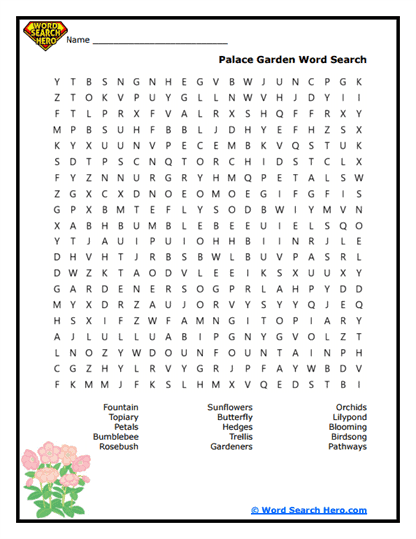
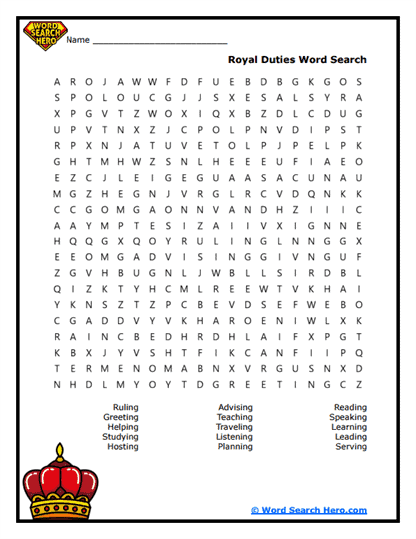
About Our Royal Princesses Word Searches
Our Royal Princesses Word Searches bring the elegance and traditions of medieval royalty into an engaging printable puzzle collection that helps students build vocabulary while exploring the world of castles, kingdoms, and noble families. Princesses played important roles in royal life during the Middle Ages, often representing alliances between kingdoms, participating in courtly traditions, and helping maintain the stability of royal families. These puzzles allow learners to explore vocabulary connected to royal life while enjoying a fun and educational activity.
Word searches are an excellent tool for reinforcing literacy skills. As students scan the puzzle grid to find hidden words, they practice recognizing spelling patterns, identifying letter combinations, and strengthening visual tracking abilities. These foundational skills support reading development and help learners become more confident when encountering unfamiliar historical or story-related vocabulary.
Teachers often use themed puzzles like these as warm-up activities during medieval history units, literacy center stations, or enrichment work for early finishers. Because word searches allow students to work independently while engaging with meaningful content, they help maintain focus in the classroom.
Parents and homeschool educators also appreciate how easily printable puzzles fit into daily learning routines. They can introduce important vocabulary before reading about medieval royalty or serve as a review activity afterward.
The theme of royal princesses naturally sparks curiosity about castles, royal courts, crowns, and medieval traditions. Words connected to gowns, kingdoms, ceremonies, and royal families help students visualize the daily life and responsibilities of princesses during medieval times.
By combining historical themes with puzzle-solving, these activities transform vocabulary practice into a creative exploration of medieval royal life.
Life of a Princess in a Medieval Kingdom
In medieval kingdoms, princesses were often members of powerful royal families who lived in castles and royal courts. While stories sometimes focus on the glamorous side of royal life, the role of a princess often involved important responsibilities tied to diplomacy, family alliances, and the traditions of the kingdom.
Princesses were usually educated in areas such as reading, writing, languages, and courtly manners. These skills prepared them to represent their royal families during ceremonies, meetings, and diplomatic visits with other kingdoms. In many cases, marriages between royal families helped strengthen alliances and maintain peace between neighboring lands.
Daily life for a princess might include attending court gatherings, participating in celebrations, and learning the customs of leadership and etiquette. Royal courts were busy places filled with advisors, nobles, musicians, and visitors from other regions.
When students encounter vocabulary connected to royal princesses in a word search puzzle, they become familiar with words that describe medieval royal traditions. Words such as crown, castle, court, kingdom, and gown help learners picture the environment where royal families lived.
Teachers can extend the activity by asking students to imagine what a day in the life of a princess might look like. What events might she attend? What responsibilities might she have? These questions help students connect vocabulary to historical roles and social traditions.
Exploring the lives of princesses helps learners better understand the structure of medieval royal families and the importance of diplomacy and tradition during the Middle Ages.
Paul’s Pro-Tip

After students finish the puzzle, try a “royal court challenge.” Ask them to pick three words they found and explain how those words might appear during an event at a medieval castle.
Another fun extension is creating a short “royal announcement.” Students can choose one puzzle word and write a sentence as if a princess were speaking to the people of the kingdom.
These simple activities help students move from finding words to thinking about how those words connect to medieval royal life.
Why Royal Themes Make Medieval History Easier to Understand
Royal families were central to how medieval societies were organized. Kings, queens, princes, and princesses represented leadership, alliances, and the traditions that shaped kingdoms across Europe. Learning vocabulary connected to royal life helps students understand the social structure of medieval times.
Word search puzzles reinforce these ideas through repetition and interaction. As students search for royal vocabulary within the puzzle grid, they become more familiar with spelling patterns and word structures. This repeated exposure helps learners recognize the same terms later in reading assignments or history lessons.
Puzzle-solving also strengthens concentration and visual scanning skills. Students must carefully examine rows, columns, and diagonal lines to locate hidden words. This careful observation builds attention to detail and persistence.
Another benefit is visualization. Words related to royal life often connect to vivid images such as castles, crowns, gowns, and royal courts. These images help students form mental pictures that make historical concepts easier to understand.
When puzzles combine interactive learning with historical themes, they transform vocabulary practice into a memorable exploration of medieval society and royal traditions.
Frequently Asked Questions
What kinds of words appear in Royal Princesses word searches?
These puzzles typically include vocabulary related to medieval royal life such as princess, crown, castle, court, kingdom, gown, and throne. These terms help students understand the environment and traditions associated with royal families during the Middle Ages.
How do Royal Princesses word searches connect to medieval history lessons?
The puzzles introduce important vocabulary connected to royal courts and noble families. Teachers can use the words as a starting point to discuss how royal families lived, governed, and formed alliances during medieval times.
Why were princesses important in medieval kingdoms?
Princesses often played roles in diplomacy and alliances between kingdoms through royal marriages and court representation. Understanding these roles helps students see how royal families helped maintain political stability in medieval societies.
How can teachers extend the learning after students complete the puzzle?
Teachers can ask students to choose several puzzle words and describe a royal event that might take place in a medieval castle. This encourages learners to connect vocabulary with historical settings and traditions.
How can homeschool families turn this puzzle into a history activity?
Parents can ask children to imagine a day in the life of a medieval princess and describe how several puzzle words might appear in that day. This helps students connect vocabulary with the responsibilities and environment of royal life in the Middle Ages.