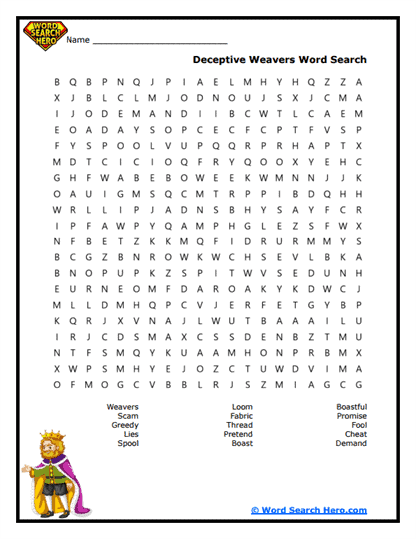
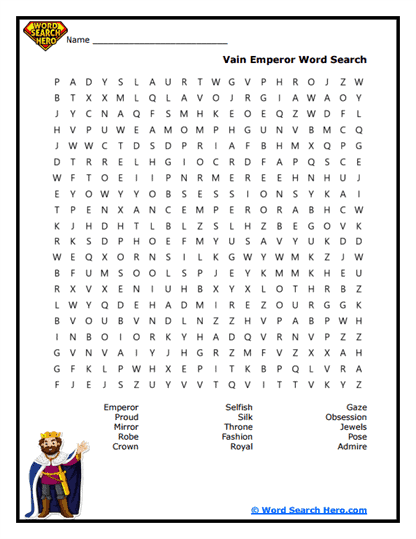
About Our The Emperor’s New Clothes Word Searches
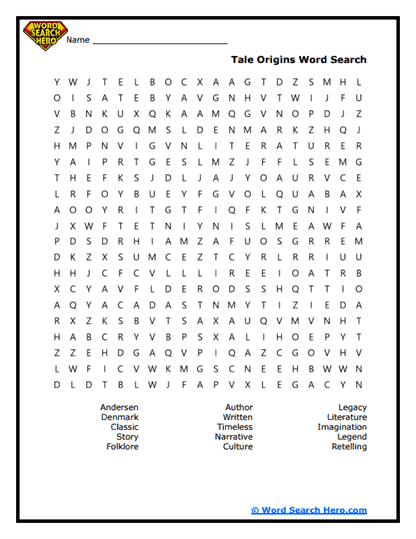
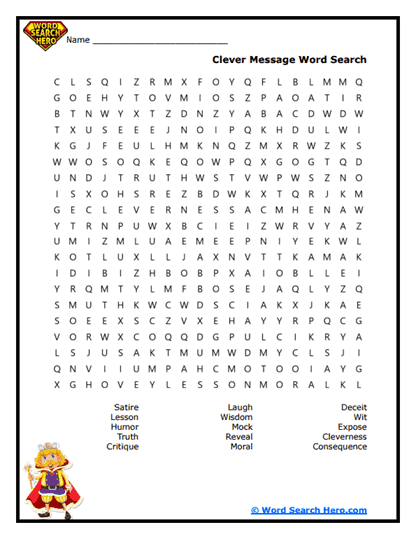
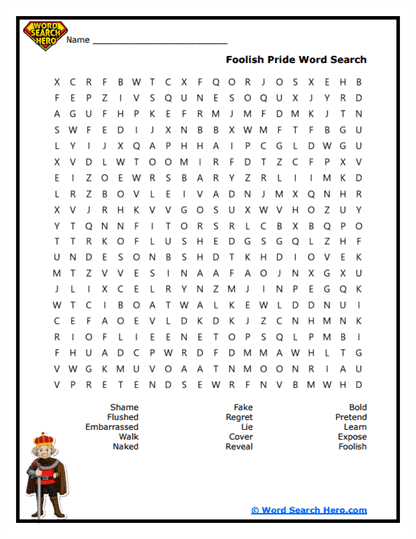
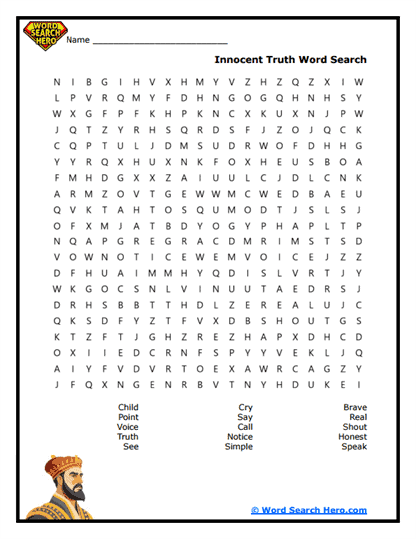
The Emperor’s New Clothes word searches provide an entertaining and thought-provoking way to explore Hans Christian Andersen’s famous fairy tale while uncovering its unforgettable narrative and timeless moral lessons. These printable puzzles introduce students to important vocabulary connected to honesty, pride, vanity, courage, deception, leadership, and independent thinking. As learners search for each word, they follow the Emperor’s journey from vanity and self-importance to public embarrassment, discovering why this classic story continues to resonate with readers of all ages.
The story begins with an emperor whose greatest passion is wearing magnificent clothes. Two clever swindlers recognize his vanity and convince him they can weave magical cloth that can only be seen by intelligent people. Fearful of appearing foolish, the emperor, his advisors, and eventually the entire town pretend to admire clothing that does not exist. Only a child has the courage to speak the obvious truth, revealing the deception for everyone to see. Through humor and satire, the fairy tale reminds readers that pride, peer pressure, and fear of embarrassment can prevent people from acknowledging what is plainly true.
These word searches strengthen vocabulary, spelling, reading comprehension, and literary analysis while encouraging thoughtful discussions about honesty, integrity, and critical thinking.
With puzzles covering royal vanity, clever deception, invisible cloth, the grand parade, honest courage, and Andersen’s literary legacy, this collection helps readers appreciate one of the world’s greatest cautionary fairy tales.
The Narrative and Its Moral Lessons
The Emperor’s New Clothes follows a simple but powerful chain of events in which pride and fear allow an obvious lie to grow larger with every passing scene. Word searches throughout this collection introduce students to themes such as honesty, vanity, deception, courage, wisdom, humility, leadership, reputation, conformity, and truth. Together, these ideas reveal how every character contributes to the fairy tale’s unforgettable ending.
At its heart, the story is a cautionary tale about valuing appearances more than truth. The emperor’s obsession with fashion makes him vulnerable to deception, while his advisors remain silent because they fear looking foolish. Even the townspeople ignore what they plainly see because they worry about standing apart from the crowd. Only an honest child speaks without concern for status or reputation, proving that truth often comes from those who are willing to think independently.
The fairy tale also teaches that good leadership requires humility. A wise leader surrounds themselves with honest advisors and welcomes difficult truths instead of seeking constant praise. Andersen reminds readers that pretending something is true does not make it true, and that integrity is more valuable than popularity or appearances.
Students can deepen their understanding by discussing questions such as, “Why was everyone afraid to tell the truth?” and “How did one honest voice change the entire story?”
Paul’s Pro-Tip

One of the most effective ways to use The Emperor’s New Clothes word searches is to create a “truth versus appearance chart.” As students find words like pride, pretend, truth, crowd, and honest, have them sort each word into two columns: What people pretended to believe and What was actually true. Then ask students to explain why each character chose silence instead of honesty. This activity helps readers recognize how fear of embarrassment and peer pressure can influence people’s decisions.
Another engaging activity is the “find the turning point” challenge. After completing the puzzle, ask students to identify the exact moment when the story changes. Was it when the swindlers arrived? When the emperor agreed to wear the invisible clothes? Or when the child spoke up? Encourage students to defend their answers with evidence from the story. This builds comprehension while helping readers understand how one truthful statement can completely change the direction of a narrative.
From Story to Literary Understanding
The Emperor’s New Clothes word searches become even more meaningful when students connect the vocabulary to the fairy tale’s larger lessons. After completing a puzzle, students can choose one word and explain how it changes the story or reveals something important about a character.
For example, students might explore how vanity blinds the emperor to reality, how deception succeeds because everyone fears speaking honestly, or how courage is demonstrated not by the emperor but by the child who tells the truth. Others may examine how wisdom comes from questioning assumptions rather than simply following the crowd.
These activities naturally support literature, character education, and critical thinking by encouraging discussions about leadership, honesty, peer pressure, humility, and the importance of independent thought.
By connecting vocabulary to the narrative and its moral lessons, students transform a simple word search into a deeper exploration of one of the most enduring cautionary fairy tales ever written.
Frequently Asked Questions
What is the main moral of The Emperor’s New Clothes?
The story teaches that honesty is more valuable than pride or appearances. Fear of looking foolish causes nearly everyone to ignore the obvious truth, while a single honest child reveals the deception. The fairy tale reminds readers that integrity and independent thinking are more important than simply agreeing with the crowd.
Why doesn’t anyone tell the emperor the truth at first?
Most people fear being judged as foolish or incompetent if they admit they cannot see the “magical” clothes. Instead of trusting their own observations, they follow what everyone else appears to believe. The story demonstrates how peer pressure and fear can discourage honest communication.
Why is the child the most important character in the story?
The child has no concern for status, reputation, or impressing others. Because of this, the child simply says what is true without worrying about how others will react. Andersen uses the child to show that honesty often requires courage rather than authority.
How can I make The Emperor’s New Clothes word searches more interactive?
Have students create a timeline showing how the deception grows from the emperor’s vanity to the public parade. Another excellent activity is asking students to identify which characters had opportunities to stop the lie and discuss why they chose not to speak. These exercises strengthen comprehension while encouraging thoughtful conversations about honesty and personal responsibility.
Why is The Emperor’s New Clothes considered a cautionary fairy tale?
The story warns readers about the dangers of vanity, pride, and blindly following popular opinion. It shows how people can ignore obvious truths when they are more concerned about appearances than honesty. By revealing that one courageous voice can expose a widespread deception, the fairy tale encourages readers to think independently, value truth, and speak honestly-even when it is difficult.